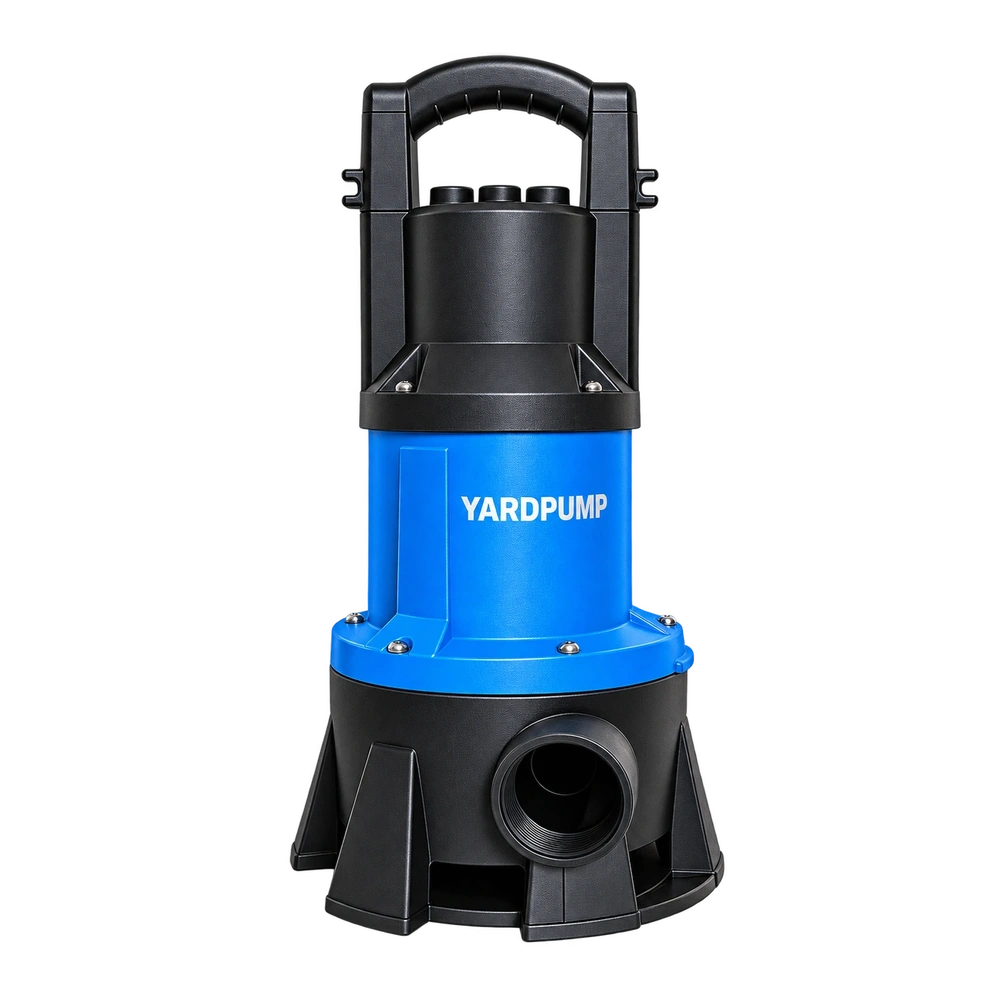
A small submersible pump uses a different potting material in a trial build. The new and original units have similar case temperatures in the water tank. Does that establish equal motor cooling? Not on its own. If the potting sits on the path from windings to housing, its conductivity, thickness, contact and voids all affect that part of the thermal resistance. Water can keep the cases at similar temperatures while the temperature difference from winding to case changes. Confirm that the proposed path exists on the actual construction before setting up a comparison.
Draw the heat path before comparing data sheets
Mark the heat source, winding insulation, potting layer, interfaces, case and surrounding liquid on a section drawing. Thermal conductivity describes a material, not total heat transfer from the winding to the water. A thicker layer, poor local contact or a void that interrupts a major path can increase resistance there. A void away from the heat source and main path may matter differently. An acceptable weight does not show that every critical area was filled, and one bubble alone does not establish an excessive winding temperature.
Consider an illustrative flat layer with an area of ten square centimetres, a conductivity of 1.2 watts per metre kelvin and a thickness of 1.5 mm. In that simplified model the layer resistance is about 1.25 kelvins per watt. Doubling the thickness makes it about 2.5 kelvins per watt. This omits parallel paths, contact resistances and the housing. It is not a temperature prediction for a pump. It shows why equal conductivity does not make layers of different thickness thermally equal. Better conductivity does not compensate for contact or fill quality that has not been checked.
Hold hydraulic load and cooling conditions steady
Choose the approved and proposed builds and identify the compound, batch, cure, assembly and test order. Compare input, running time and temperature trend at matched supply, water temperature, submergence, flow and head, with comparable starting conditions. Qualified staff should follow an approved winding temperature method, such as resistance measurements taken at the same points and times, or sensors allowed by the design. Winding resistance normally reflects an average condition; it does not locate all hot spots. A claim about a local temperature needs additional evidence. Keep case temperature as a comparison, not the sole release criterion.
Consider both the warming period and the condition after thermal stabilisation. A changed compound or amount can change the rate of heating. A case reading at the same minute does not substitute for the trend. If the new build runs hotter, first confirm that input and duty were comparable. Then relate a repeatable difference to a section or an approved non-destructive examination. Live measurements, opening the motor and work with hot parts are for qualified personnel under approved procedures. Do not ask a field user to fit a probe to a running motor.
Release the material change only for the tested build
Also check the insulation role, cure, compatibility, mechanical constraints and applicable approvals for the compound. Similar thermal results do not establish long-term wet insulation or durable bonding to a housing. A different material may need a different process. Record which part of the path changed, how the complete pump behaved under representative load and cooling, and which conditions remain unverified.
If a sectioned sample reveals a void, photograph its shape and distance from the heat source, then check another specimen made by the same process. Two units with similar fill weights can have voids in very different places. A temperature result cannot replace a separate wet insulation assessment.
Frequently asked questions
Do similar case temperatures mean similar winding temperatures?
No. The case is cooled by water and observed at limited points. Internal resistance and load can differ.
Can we approve a compound solely because conductivity is higher?
No. Check thickness, contact, cure, insulation and compatibility and verify the complete pump.
Does a resistance-based temperature measurement show the hottest spot?
It normally relates to the winding's average condition. A local hot spot needs a suitable additional measurement or analysis.