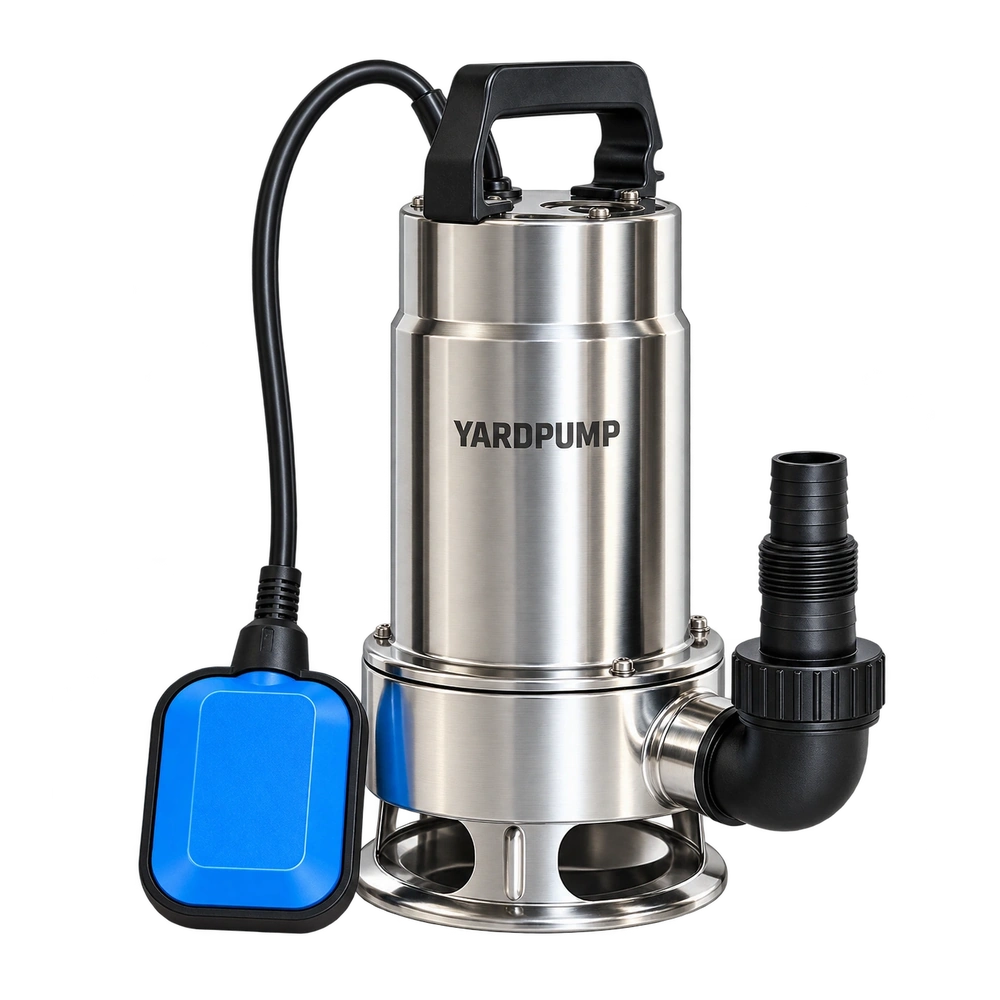
An importer opens a portable pump kit and finds the expected single flat washer. Its inner and outer diameters look right, yet the hose swivel seeps during the agreed water test. If that connection is designed to seal on the washer, check its thickness and seated compression along with the matching faces. The threads can engage correctly and the carton count can pass while the washer never develops full contact. A too-thick washer can also prevent enough thread engagement or distort the assembly.
Confirm how this particular connection seals
Some hose connections use a flat gasket trapped between facing surfaces, others use an O-ring, a tapered thread or another seat. Read the pump and adapter drawing before calling a ring a washer or adding a second one. For a face-sealed swivel, identify the face on the male part, the washer pocket, its retention and the point at which assembly travel stops. Inspect for burrs or flash that can falsely feel like the tightening stop. A washer with the right diameter cannot compensate for a different seat or a damaged face.
If the washer’s thickness is specified, measure it in the free state by the supplier’s approved low-force method at the stated conditions. A soft ring compresses under a tight measuring jaw, and uneven thickness or a folded edge can give different readings around the part. Where appropriate, compare a reference from the approved kit and a controlled drawing or lot record. Material, hardness, recovery and water compatibility also matter; thickness is one variable, not a substitute for qualification.
Use the assembly stack to decide whether to hold stock
Consider an illustrative geometry without assigning a universal gasket compression. A particular approved example leaves approximately 1.8 mm between opposing surfaces at the design stop, and is qualified with a 2.2 mm free washer. That leaves about 0.4 mm of nominal compression if the faces are flat. A lookalike that measures 1.6 mm nominally has 0.2 mm of space instead, before tolerances. The example shows why a nut can reach a stop without squeezing the washer. The actual acceptable range also depends on the washer and joint design.
If a joint leaks, inspect the washer before a second tightening attempt. Record the carton and adapter part code, free washer dimensions, condition of the two faces, and assembly witness position. Check a suspect washer with the approved adapter and a correct washer with the same adapter separately if a qualified bench and comparison are available. If the fault follows the washer, check the accessory supply and sort the matching stocks. If it follows the adapter, check face location, threads and related tolerances. Do not approve a mismatched stack just because a different tightening force happens to stop a leak.
Use the designated wet verification with the real intended mating fitting, specified pressure or lift and suitable containment. Only trained personnel should work on a pressurized test setup. Isolate the pump and relieve trapped pressure before handling the joint. Keep the orientation and support consistent; an unsupported hose can load the joint during one test and not another. A dry fit inspection cannot by itself reproduce the water test.
Put the actual kit combination on the order
Write the washer’s part number and revision, dimensions, material and the approved complete test into the inspection sheet. Next to it identify the threads and intended mating adapter. If early boxes are sampled, confirm that the washer actually came from the carton rather than from a bench supply with the right dimensions. Trace a mix by shipment records or accessory lot before releasing the rest. Including a verified sample and a photo of the actual seating position makes the requirement easier to transfer between suppliers.
Frequently asked questions
Can I fix a thin washer by stacking two?
Do not use a stack unless the design explicitly calls for one. It changes compression and engagement and can create another leak.
Why does the connection feel tight but still seep?
It may have reached a mechanical stop before the washer was compressed, or seal on a different feature than expected.
Do all kits with the same thread use the same washer?
No. Pocket depth, mating faces and thread travel can differ despite the same thread designation.