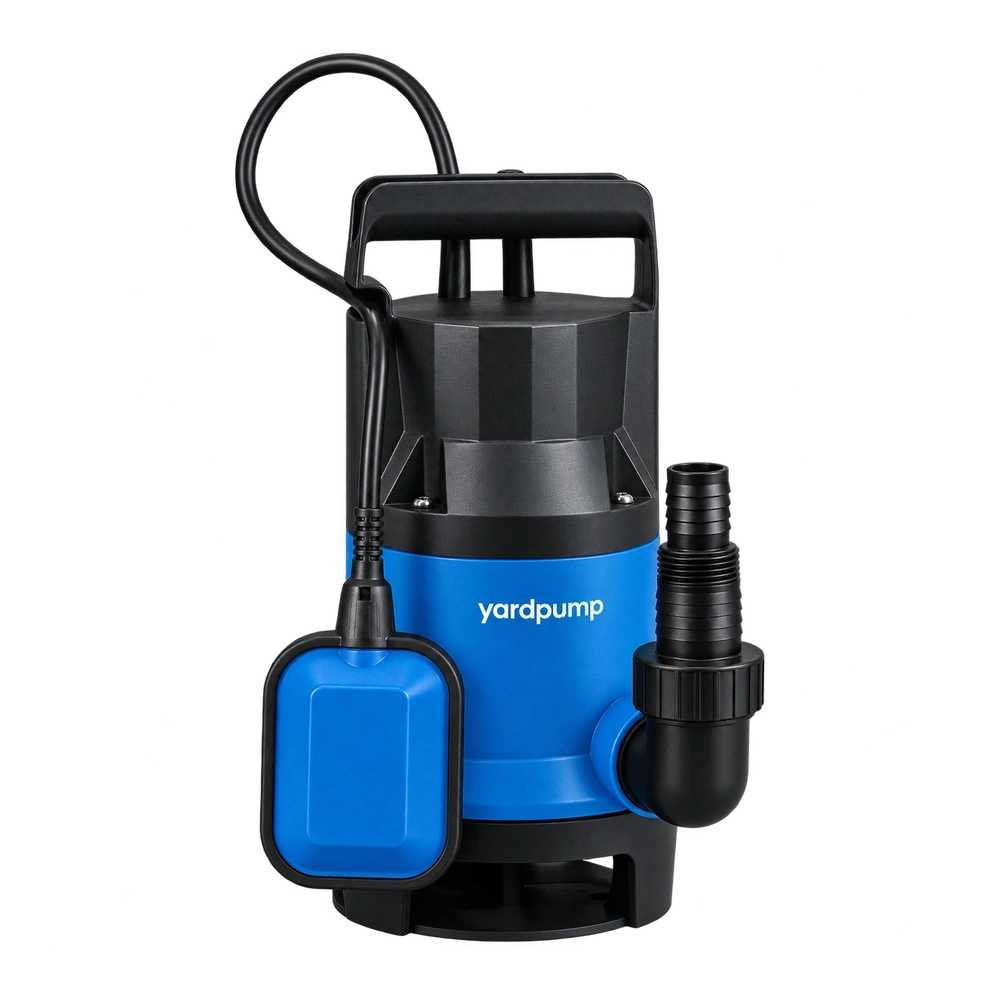
A garden hose drips at the pump adapter, so a second washer is added. The swivel now engages less deeply and the leak moves to one side. On a joint designed for one face-sealing washer, stacking is not a reliable correction. Identify the sealing method, then inspect the washer, seat and alignment. More rubber cannot reliably compensate for damaged or mismatched parts.
Identify a face-sealed hose connection
A face-sealed garden-hose joint normally uses one matched washer against a sound seat. Two washers introduce an unsupported middle interface that can extrude, fold or slide and reduce useful thread engagement. Extra rubber hides rather than fixes cracks, burrs, cross-threading or hose side load.
Distinguish a washer-sealed face connection from a thread-sealed pipe connection. In the first, the washer is compressed between compatible faces while the thread provides clamping and retention. Extra tape on that thread may not address a leaking face. Other pipe joints have different sealing requirements. A garden hose, pump outlet and transition fitting may use different standards, and apparent engagement does not establish compatibility.
Read the washer compression marks
Stop, isolate and depressurize before disassembly, preserving washer position. Inspect threads, faces, washer dimensions and free swivel movement. Reassemble coaxially with one specified washer, support the hose independently and retest under the approved condition rather than adding torque.
Preserve the old washer's compression mark before cleaning. A continuous ring, a one-sided impression or an extruded edge helps show how the faces met. Inspect swivel freedom and look for grit, burrs, cracks or distortion at the seat. Do not scrape a plastic seat with a sharp tool to make it appear flat, or combine two damaged washers into one assembly. Replace damaged parts through an appropriate approved option.
Washer thickness affects how far the connection can engage before compression begins, but turn count is not a standalone strength or sealing standard. Outside and inside diameter, compound hardness, support width and mechanical stops also influence the compressed state. If only a thick washer reaches the seat, investigate mismatched parts or premature bottoming. Selecting progressively softer or thicker rubber without that check can conceal the actual dimensional problem.
Why an illustrative turn count is not a specification
Example: one washer permits six useful turns; two leave four and the second edge extrudes. The counts are illustrative. Acceptance comes from the drawing, seat, torque and leak check, not a universal turn count.
Bring the connections naturally into alignment and engage them without cross-threading, then follow the specified tightening method. Independently support hose weight and side pull. A stationary joint can appear dry yet open when the hose moves or the pump starts. During the approved retest, check both leakage and visible distortion or washer extrusion. If leakage remains, stop and depressurize before inspecting again rather than tightening a pressurized plastic connection harder.
Retest the correct one-washer assembly
An importer supplying a compact clean-water pump should identify the correct washer specification, quantity and service location. Retaining an approved one-washer sample, seat photograph and assembly instruction helps distributors avoid substituting two general-purpose rings for a missing dedicated part. This guidance concerns face-sealed hose joints. It does not mean every pump outlet uses that arrangement or that tape and sealant can overcome an incompatible interface standard. If the assembly uses an O-ring rather than a flat washer, obtain the corresponding part and seating instruction. Similar outside diameter does not make the two seal forms interchangeable. Keep the original interface identification with the service kit so that a later repair follows the same sealing method.
Frequently asked questions
Do two thin washers equal one thick washer?
No. Material, lateral support and compression behaviour differ.
May I use a wrench if hand-tight leaks?
First verify the allowed tool and torque; over-tightening can damage plastic.
Must the washer be replaced every time?
Follow the maker’s instruction and replace flattened, cracked or hardened washers.