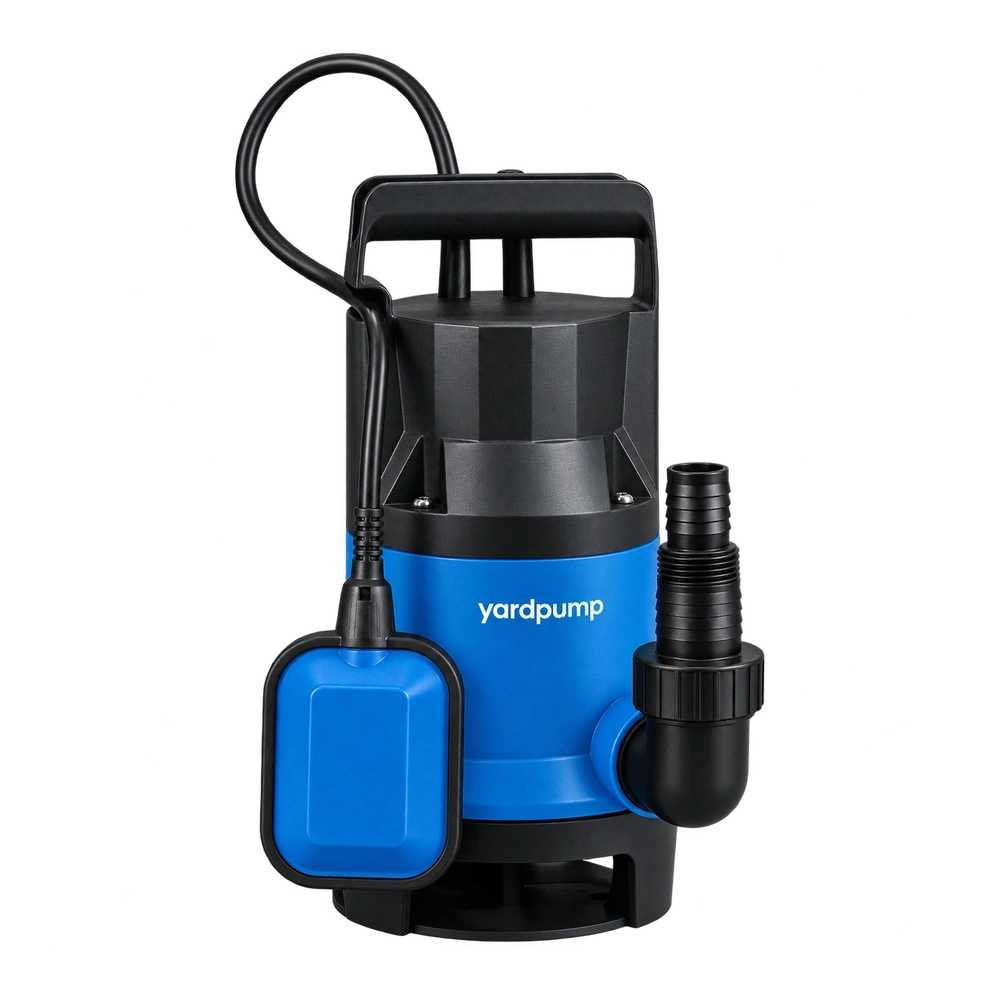
Imagine a distributor opens a carton and sees a few foam particles beside a new pump's intake. The outside carton and handle look undamaged. Do not put the pump into the test tank yet. Debris by the intake does not prove it is already inside, but the first run can draw it into a passage. First establish where it is, whether it can be confirmed to be on the exterior only, and what the product instructions allow for cleaning or inspection.
Use the unpacked condition to trace the debris
Record the carton identifier, packing revision, pump serial number and orientation. Photograph the feet, screen, accessory bag and cushioning before lifting the pump out. Compare the particles with the packing material by appearance and location. Similar colour does not establish the source. Paper dust on the surface, a broken cushion edge and a fragment from a pump component require different actions. If film or a strap crosses the intake, check whether it is an approved shipping protector or a part required in operation. Do not remove guards or alter the intake.
Look for contact between loose fittings, the intake and rough cut edges. An unopened sample packed to the same revision can help confirm the original positions. Debris at one crushed corner may point to handling or local contact. Debris repeatedly found in the same location across several cartons also justifies checking cutting, housekeeping and pack-out. A sample observation does not establish that the entire lot has the same condition. An undamaged outer carton does not rule it out either.
Decide which units can enter a first wet test
For illustration, one carton contains loose particles at the solid outside edge of the base. The approved external cleaning process removes them, and inspection finds none in the accessible opening. Another has particles visible behind screen openings, and no permitted external check can confirm removal. The first can be cleaned and rechecked as allowed by the inspection plan. Hold the second. Do not run the pump to see whether it can wash debris through the passage. Removal of a cover, wet-end inspection or return to the supplier depends on the approved service procedure and appropriate personnel. The difference is the location and the ability to verify cleanliness, not an invented defect rate.
If a wet test is required after clearance, use the approved clean fixture and record startup, discharge and any unusual sound. Avoid putting a suspect sample into a common test tank where it can contaminate others. If discharge fails or the pump makes an unusual noise, stop and isolate it under the approved procedure. Do not reach for an intake in water while equipment is energised.
Make the next pack-out easier to inspect
If the debris came from the carton, check cut surfaces, retention of protectors, accessory bags and the space between fittings and the intake. Where needed, verify the updated pack-out after representative transport and unpacking. An empty carton on a desk does not represent the way a packed pump moves or contacts its supports. Define a pre-water inspection of the intake and visible passages and state which findings require a hold. The report should explain where the material came from, whether it entered the pump and how recurrence will be prevented.
Keep confirmed component fragments, suspected packing debris and unidentified material separate in the report. The supplier can then address a packaging change, a part defect or a retained sample investigation without treating all three as one complaint.
Frequently asked questions
Does an intact carton rule out debris at the intake?
No. Cushions, bags and loose fittings can move or shed material without obvious external damage.
Can a wet test flush particles through before acceptance?
Do not use a powered flush instead of an approved cleaning and hold decision. Follow the inspection procedure if material might be inside.
Does a little paper dust require returning the whole carton?
There is no universal count. Use the location, verified removability and the agreed inspection criteria.