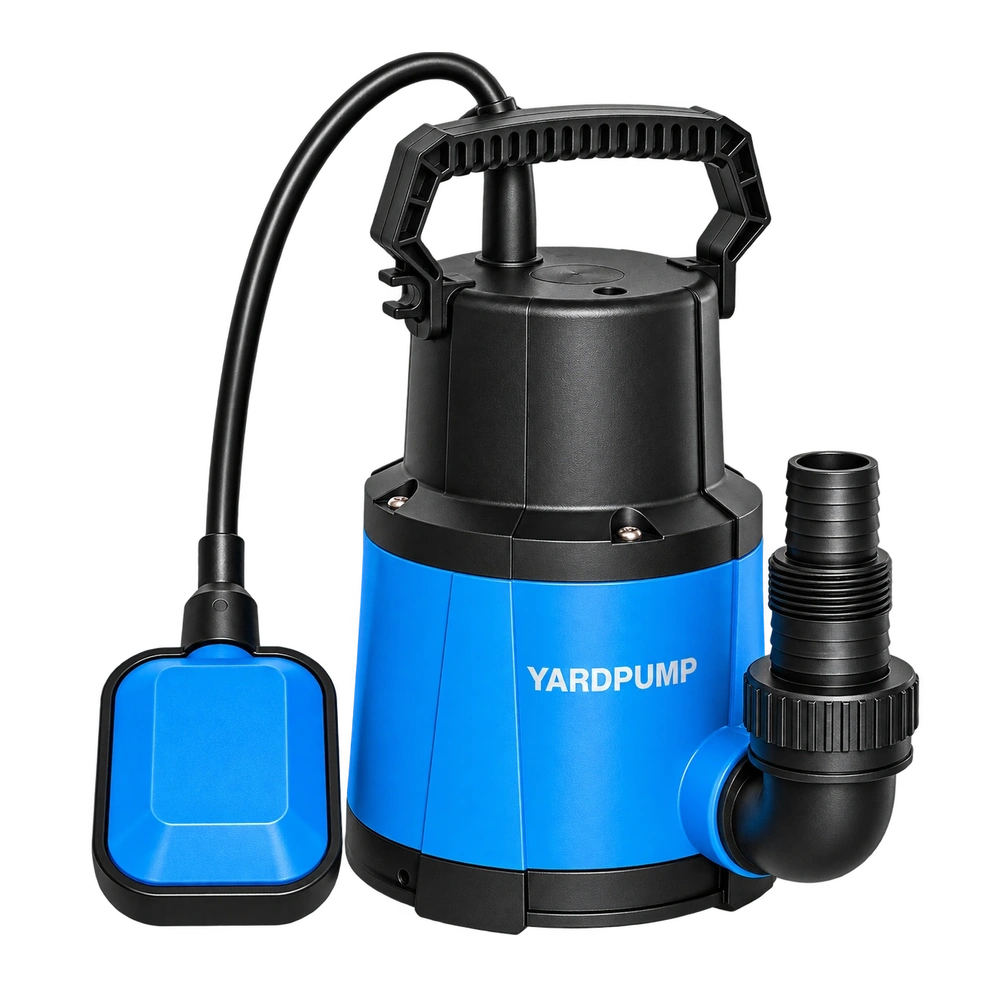
A distributor receives a complaint that a pump will not drain and sends a replacement to reduce downtime. Finance classifies the case as a confirmed product defect, although quality has not received the original unit. Does the replacement establish the technical cause? No automatic technical classification follows.
Record the service decision and investigation separately, then link them through evidence. Legal consequences and customer rights depend on the contract and applicable rules, not the name of an internal status.
Service and investigation can proceed together
Replacement may reflect a commercial arrangement, warranty action or another service decision. Record the actual reason accurately. Technical assessment asks different questions: whether the original unit is abnormal, under which conditions, which component is involved and whether the cause can be established.
A dispatched parcel does not answer those questions. Equally, an unconfirmed cause should not delay necessary safety action or existing obligations.
Reports of electrical leakage, smoke or abnormal heating warrant prompt stop-use and escalation under the appropriate process. Do not ask a customer to keep operating a potentially unsafe pump while waiting for additional photographs.
Link two records without merging their meanings
The service record addresses the customer’s need, downtime, commitments and delivery. The technical record addresses original identity, symptoms, conditions and inspection evidence.
Use a shared case number with separate statuses. “Replaced” should not be the only label for both completed service and confirmed root cause.
| Record | Appropriate information | Unsupported inference |
|---|---|---|
| Reported symptom | Failure to start, low flow or tripping | A particular component has failed |
| Service action | Replacement, refund, loan or pending decision | Technical responsibility established |
| Investigation | Awaiting return, examining, confirmed or undetermined | Replacement requires a manufacturing-defect label |
| Follow-up | Installation review, correction and communication | Dispatch permanently closes every risk |
These distinctions improve accuracy. They are not wording designed to evade responsibility. Customer communication should remain consistent with the service already promised.
Avoid misleading aftersales statistics
Imagine ten replacements: four with confirmed component faults, three awaiting returns, two with identified unsuitable installation conditions and one with insufficient evidence. This is a hypothetical illustration, not a complaint rate.
Recording all ten as confirmed manufacturing defects overstates established causes. Recording only four while deleting the other complaints understates service demand and unresolved risk.
Retain separate counts for complaints, replacements, confirmed findings, pending investigation and insufficient evidence. Do not force an engineer to select a certain cause merely to complete a monthly report.
When evidence changes, preserve the earlier status and update history. That allows later reports to explain why the classification changed without erasing the original customer experience.
Continue collecting useful evidence after replacement
Link the original and replacement identities, configurations and delivery dates. Confirm that the replacement suits the task. Request practical information on supply, installation, liquid and pipework from a safe position.
Do not instruct customers to dismantle energised equipment, bypass a float or test electrical leakage by touch. Qualified personnel should preserve the returned unit’s condition before carrying out approved inspection.
Where the item is not returned or its condition has changed, state the investigation’s limitations. A replacement that works does not alone prove a manufacturing defect in the original. Installation, environment or accessories may also have changed.
If the same symptom recurs, reconsider the application and site system instead of continuing replacement indefinitely. Escalate batch patterns or safety signals according to risk; a goodwill label must not hide significant evidence.
Communicate what is known
State the service arranged, the stage of technical inspection and any required safety action. Do not promise a specific cause before the evidence supports it. Nor should defensive statements about responsibility replace a useful response.
Authorised personnel should address compensation, rights, responsibility and warranty restrictions using the contract and local requirements. This workflow concerns records and technical classification; it does not determine legal liability.
Prompt service, preserved evidence and accurate conclusions can be delivered together.
Frequently asked questions
Must an advance replacement be counted as a manufacturing defect?
Not automatically. Preserve the replacement fact and classify the technical finding according to evidence.
Can all follow-up stop because the cause is unconfirmed?
No. Service obligations and safety matters still require action, and the investigation needs a defined next step.
Does a successful replacement prove the original pump was defective?
Not by itself. Installation, conditions and configuration may differ. Original-unit and site evidence remain important.