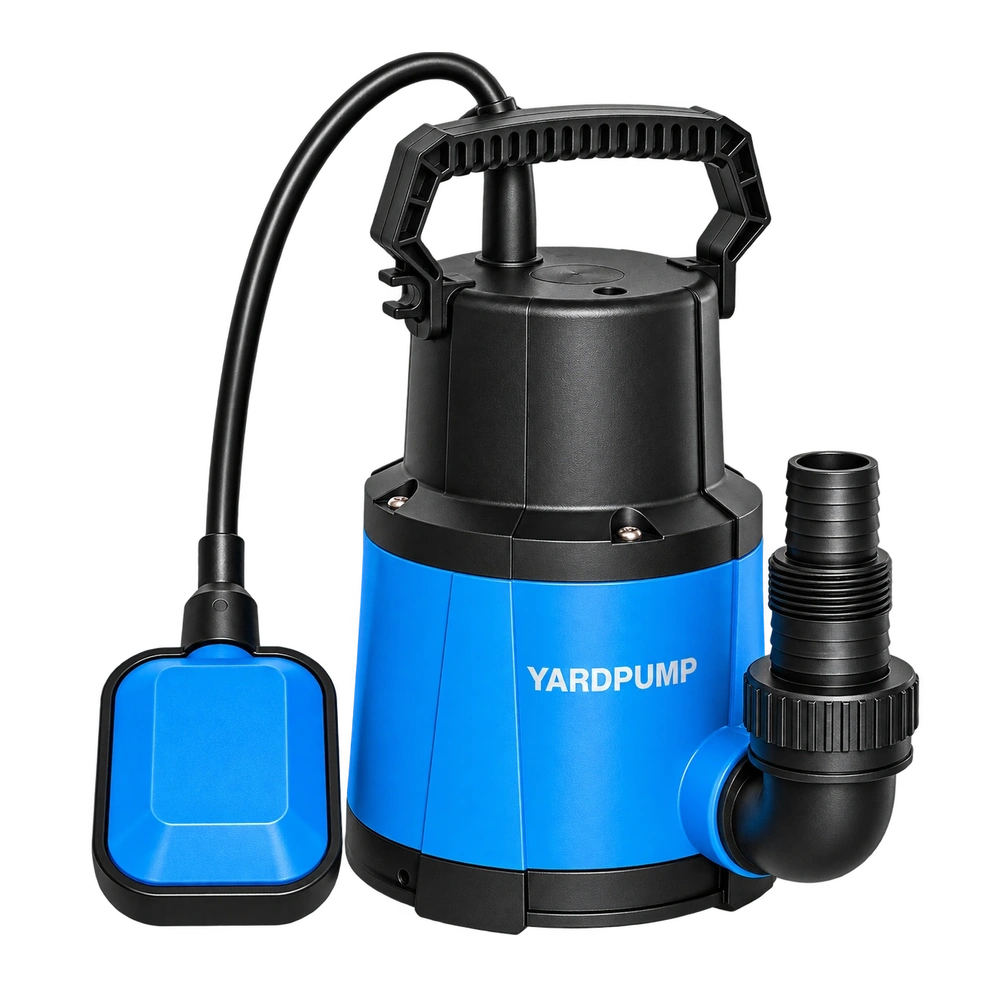
Two hose tails both accept the same 32 mm hose. After assembly, one kit has a visibly smaller water passage where the gasket and insert meet. For procurement, record the smallest clear opening in the assembled part and its location. The hose size on the order helps with compatibility, and the bore measurement controls a different feature.
Inspect the assembly the customer will receive
Barb walls, moulding draft, gasket intrusion and reducer steps all consume area. A short throat can dominate loss when velocity is high, and it can become a debris-catching edge on dirty-water routes.
Measure the molded part at the entrance, through the body and at the tip of the barb. Then fit the correct washer or insert at the specified seating condition and check where it projects into the flow. A gasket that sits flat on a bench can fold inward when compressed against the wrong shoulder. In a stepped tail, the smallest opening could also be downstream of the part of the barb visible at the pump.
For example, reducing clear diameter from 32 to 24 mm cuts area by about 44 percent. It does not predict the same percentage flow loss because the pump and route find a new operating point.
A simple circular gauge suits an opening that is round and accessible. For an oval or irregular passage, record the shape and minimum dimensions using the method agreed with the supplier. A round pin may flag a restriction, yet the open area and a ledge that can catch debris still need separate interpretation. Keep the section view and gauge position on the drawing.
| Measurement station | What changes the opening | Evidence |
|---|---|---|
| Molded body | Wall thickness or molding flash | Section drawing, first-article check and cavity trace |
| Sealing shoulder | Seated washer pushes into the passage | Approved washer in its assembled position |
| Tail with hose attached | Insert, step or deformation after clamping | Actual hose and clamp at the specified assembly condition |
Define what changes can affect the bore
Measure the smallest circular or non-circular opening in the assembled kit, record its location and compare with the drawing. Use go/no-go or profile methods appropriate to the geometry, then verify flow with the actual hose and clamp.
On the first article, check parts from the relevant mold cavities with the specified gasket and hose. In production, record the cavity or supplier lot when a defect appears repeatedly in one subset. A change in wall thickness, molding flash or the thickness of the washer can turn a previously approved part into a restriction. A tighter clamp or a different hose insert can change the passage after assembly.
Put effective bore, alignment and allowed gasket intrusion on the approved drawing and inspection plan. Reject or revalidate unapproved substitutions.
Keep the fit and water tests in the release plan
A large bore does not by itself prove pressure rating, hose retention or leak tightness. Those remain separate acceptance items.
Compare representative assemblies with the same pump, hose, source level and target route. A bucket measurement at one low lift can catch a large restriction, while a defined test point closer to the customer duty better supports a flow acceptance decision. Record the result against the kit revision. Then perform the required leakage, pressure and hose retention checks separately, since a larger opening can also change wall thickness or the sealing shoulder.
Frequently asked questions
Which dimension goes on the drawing beside the 32 mm hose size?
Add the minimum allowed clear opening and its measurement station in the assembled connector. Keep the hose fit dimension and clamp range on the drawing, too.
What if the bore only becomes small when the gasket is fitted?
Control the gasket part and seating depth, then verify the finished assembly. Check whether the gasket is correct or the shoulder is pushing it into the water passage.
Could a 44 percent area reduction mean 44 percent less flow?
The flow changes with the pump curve and all other system losses. Use the area change to flag risk, then measure the agreed setup.