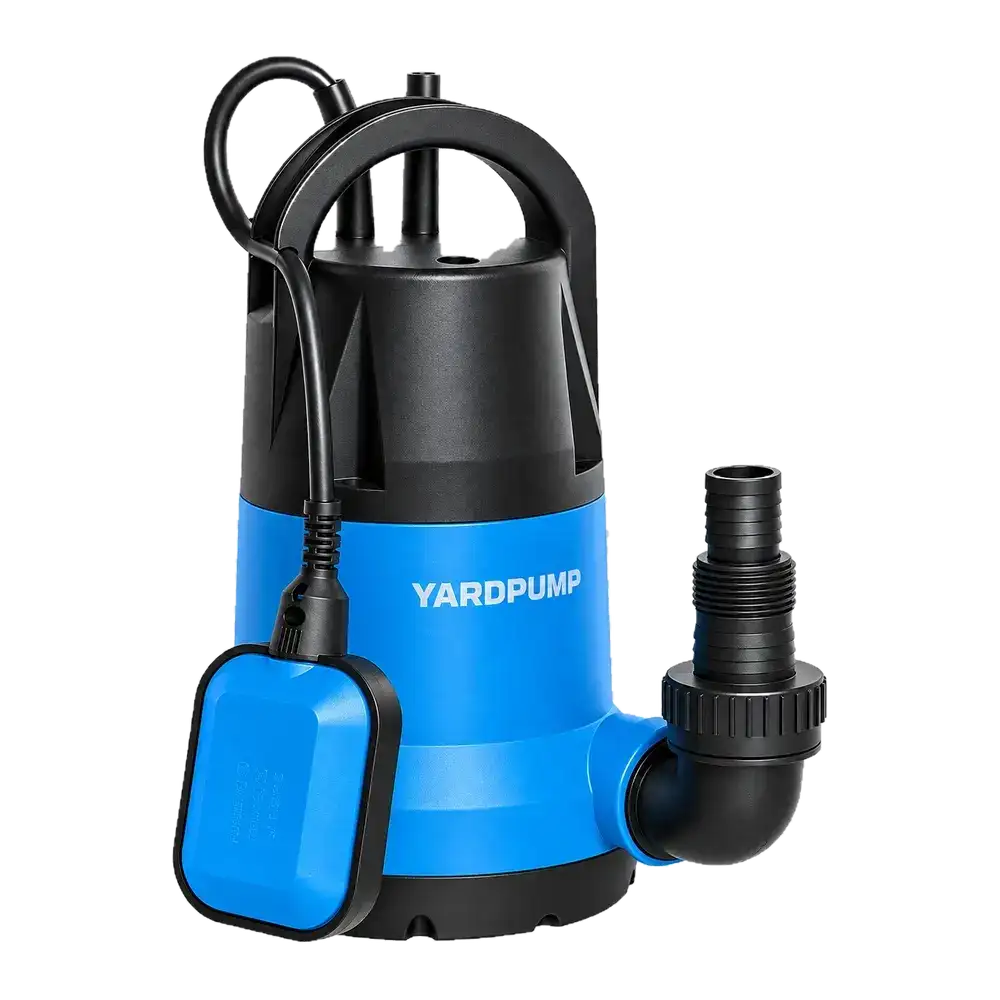
An OEM pump order states a 30-day lead time. The buyer counts from deposit receipt, while the factory counts from approval of the sample and carton artwork. On day 30, both discover the disagreement. In this typical purchasing situation, the solution is to define the starting conditions, intermediate milestones and delivery endpoint before ordering. A number of days is not a complete commitment for a configuration-dependent pump order.
Separate the start date from prerequisites
The parties can agree an appropriate starting event, but it must be verifiable. Examples include deposit receipt, final technical approval or completion of specifically listed prerequisites. One side should not silently assume payment starts the clock while the other waits for every outstanding document. The same phrase, delivery in 30 days, can otherwise conceal two substantially different plans and purchasing expectations.
List incomplete decisions: BOM revision, electrical version, labels, instructions, accessories and packaging approval. Distinguish requirements that affect long-lead procurement from those affecting final packing. Equally, a minor change should not automatically justify restarting the entire schedule. Identify the activities actually affected and whether they sit on the critical path. A useful plan makes dependencies visible instead of treating all approvals as interchangeable.
Replace a countdown with milestones
For a hypothetical order, suppose the deposit arrives on day zero, technical details are approved on day six and carton artwork on day nine. Without a defined start, the 30-day statement can imply different completion dates. These dates illustrate a communication issue; they are not an industry convention or an actual factory delivery promise. The contract and approved plan must establish the intended interpretation.
A practical schedule can show specification freeze, key material availability, first-piece approval, production completion, inspection release and packing or dispatch. Parallel tasks should not simply be added together, while dependent tasks cannot all be assumed to begin immediately. Assign a responsible party, required input and observable completion evidence to each important milestone. That makes progress review more useful than asking only whether the final date remains unchanged.
| Schedule element | Definition needed |
|---|---|
| Starting condition | Specific event, date and prerequisites |
| Time basis | Calendar or working days and relevant calendar |
| Milestones | Responsible party, output and completion date |
| Final endpoint | Ready, dispatched, loaded or another defined state |
Finished production is not necessarily shipment
Inspection, corrective work, label verification, packing, booking and port cut-offs can involve different responsibilities and dates. Record production complete, available for inspection and released for delivery separately. Do not compress them into one unqualified date. The final delivery state also needs to match the parties' commercial arrangement, rather than an informal interpretation of what ready means.
For partial deliveries, specify quantities, revisions and milestones for each lot. The first lot becoming available does not establish completion of the entire order. Reserve a realistic window and contact person where buyer inspection or approval is needed. Identify supplier document and corrective-response deadlines as well. Clear responsibility helps distinguish an actual production delay from waiting for an input that was never scheduled.
Explain changes through their effects
When the plan changes, retain the original schedule, change date, reason, affected milestones and revised arrangement. Late buyer inputs, supplier material delays, failed validation and transport changes may need different responses. A replacement delivery-date sheet should not erase that history. Questions of entitlement or responsibility remain subject to the effective agreement and applicable requirements, rather than a universal rule inferred from an example.
An expedited proposal should explain how the critical path becomes shorter. Available material, capacity and inspection time require evidence; a priority promise alone is insufficient. Necessary validation must not disappear to meet an earlier date. The buyer needs a schedule that can be tracked and responsibly updated, with changes reflected in the final commitment before they become a surprise.
Questions about lead-time commitments
Does paying the deposit always start every production activity?
No. Follow the explicitly agreed starting event and prerequisites rather than either party's unstated assumption.
Can a small artwork change restart the entire lead time?
Identify the affected work and milestones, then handle the change under the agreed procedure. Not every change has the same impact.
Does an expediting fee guarantee earlier dispatch?
No. Confirm materials, capacity, inspection and transport windows through an executable revised plan.