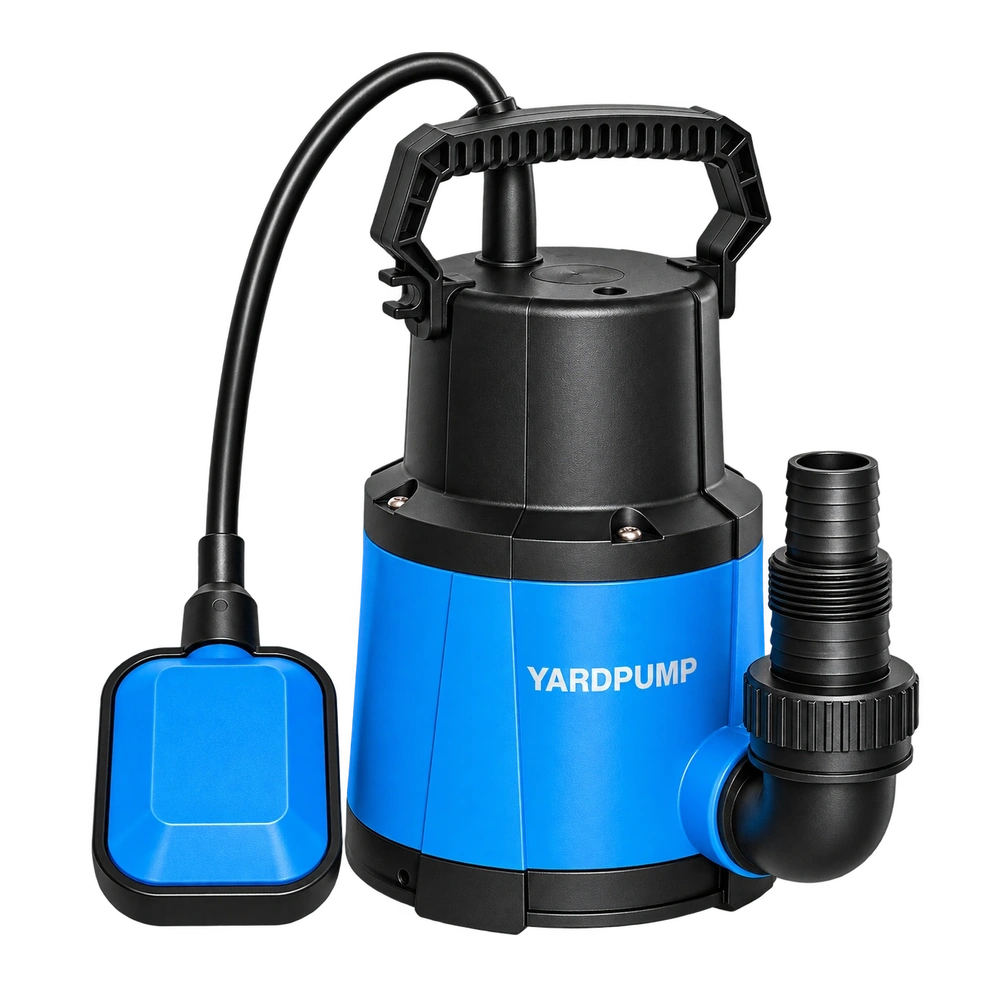
Suppose an approved PPS oil chamber is used in a submersible pump. The supplier changes mould temperature to adjust cycle time, while keeping the resin grade, tool and drawing. Can the previous seal release cover the change? Recheck the production part that will affect sealing. PPS is a semicrystalline thermoplastic, and cooling conditions can affect the resulting structure and dimensions. The material certificate cannot show that parts from another mould condition retain the same shape, assembly allowance or long-term behaviour. This is a process change on a hypothetical design, not a statement that a particular production pump uses PPS.
Connect the mould setting to the physical part
Changing tool temperature changes cooling inside the cavity. Grade, filler, thickness and the flow near a gate can all influence shrinkage and warpage. Different directions and surfaces do not necessarily change equally. The chamber is a container, but the joint depends on flange flatness, gland geometry, the regions around fasteners and the seal seat relative to other datums. Check those features directly. A resin record verifies the material designation. One overall height measurement can miss a local dip in an important face.
As an illustration, both original and changed samples can meet the outside diameter drawing, while the modified part shows a low spot between two fasteners that is 0.12 mm deeper than on the original. That example does not predict leakage. The drawing's form limits, mating cover and permitted seal compression all matter. A fixture that presses the flange flat can hide free-state warpage that the finished assembly must accommodate. Record free-state and approved installed measurements separately.
Compare parts with the material held constant
Keep the grade, filler, drying, resin lot, machine, cavity and other intended settings identifiable. Retain samples from the old and proposed process windows. Record the monitored location, steady condition and first-piece timing as well as the nominal set point. Use the same datum, measurement method and defined cooling or conditioning time. Keep cavity or shift results separate so averaging cannot hide a problem confined to one group. Confirm the processing guidance for the actual grade rather than borrowing settings from another PPS compound.
Use the same approved oil, seals and assembly conditions in the chamber comparison. Qualified staff should run the required leak checks and compare geometry and sealing after the specified thermal cycling or conditioning. Identify any supporting, joining or insulating functions that the change might also affect. A pressure test belongs in approved guarded equipment with qualified personnel, not an improvised service test. The plan should distinguish baseline parts, process limits and first production parts instead of treating one good looking sample as evidence for every shift.
Define what the approval actually covers
Put the grade, cavities, approved temperature window, measurement timing, critical dimensions, mating parts and conditioned results on the change release. Evidence for one stable temperature on one tool does not release a broader window. Mark the first changed production lot and connect it to the measured samples. If the new run goes outside the agreed conditions, return to the change review. This gives service staff a way to tell whether a later leak involves the new process, rather than simply seeing that the resin name stayed the same.
Keep unit-level records for critical dimensions as well as the pass mark. Link the measurement datum and whether the sample was restrained to the mating seal part number. That makes a later shift at the same location traceable to the process, gauge or assembly combination.
Frequently asked questions
Will raising mould temperature always flatten the sealing face?
No. Part shape, grade, filler orientation and cooling all matter. Measure the actual part.
Can thermal cycling be omitted if diameter and chamber volume match?
Decide under the approved plan. Those checks do not establish local seal compression or behaviour after a cycle.
Is one leak-free first sample enough?
It can screen a change. Production release must cover the cavities, process range and assembly conditions defined in the approval.