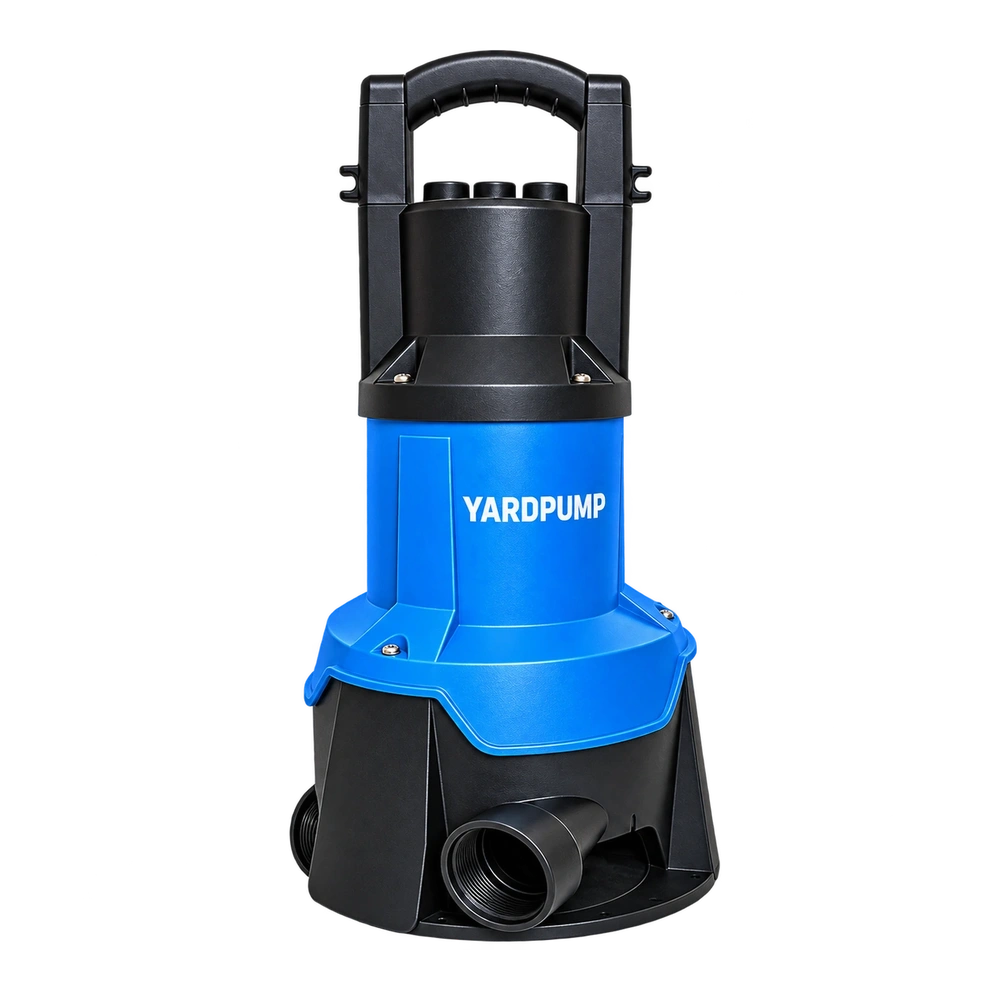
Suppose a distributor receives a plastic clean-and-dirty-water pump with an apparently sound outlet fitting and spare clamp, but the return reason is unclear. Keep the pump and accessory identities together before putting anything into stock. A recovered part belongs in a controlled service bin only if reuse is allowed, its version and history are traceable and it passes the appropriate checks. Do not use appearance or a quick powered run to clear electrical, insulation or sealing components that affect safety.
The return reason changes the part's history
A return can involve the wrong size, shipping impact, suspected ingress, contamination or a failure. An unused fitting still in its kit differs from one installed, tightened and used. Impacted plastic threads may show whitening or fine cracks. A component exposed to an unknown liquid does not become suitable for ordinary service stock just because it has been cleaned. Record the packaging, original serial, reason and evidence of use before separating the parts.
Separate ordinary replaceable mechanical accessories from pressure and sealing parts that need specific checks, and from safety-related electrical assemblies. Follow the manufacturer's authorization and repair procedure for the latter. Unknown or suspect parts stay on hold. Do not make improvised wiring changes, energize wet equipment or open a sealed unit without the applicable service procedure. Disassembly can also destroy evidence needed for the original claim.
Verify the revision and the interfaces
Check the approved parts drawing or bill of materials for the part number, compatible serial range and allowed replacements. Fitting into an outlet does not prove the thread, sealing face or clamp engagement is correct. Apply the documented checks for distortion, cracks, load marks and cleanliness. Use a qualified facility if the procedure requires a connection or leak test. If no release method exists for the part, ask for one rather than inventing a lower requirement. Record what was retained, rejected or sent back and who approved the disposition.
In an illustration, 12 pumps are returned and four included adapters make it through a first visual screen. Only three have a confirmed version, evidence of no use and a complete check. The fourth was fitted and shows thread damage. Record three allowed service parts, not 12 available fittings, and do not put the three into new retail inventory. The example shows an item-by-item decision; it is not a predicted recovery rate.
Keep the identity after the part enters service stock
Use a separate location and clear status for permitted recoveries. Retain the source serial, inspection record and destination. Issue parts against the correct version, then record the receiving pump so that service can trace the installation later. Handle contaminated or unverified items through the applicable supplier and local disposal process. If a critical part is unavailable, seek an approved replacement or a complete-unit solution. A stock shortage is not evidence that an unverified pressure, sealing or electrical part is suitable.
For example, an adapter still in its unopened original kit calls for verification of the packaging, part number and storage history. An adapter removed after installation also needs the prescribed assessment of use and pressure exposure. If service cannot establish the difference, keep the part on hold. Transfer the condition and disposition record along with the item when it moves between stores; a quantity in the inventory system is not enough.
Frequently asked questions
Can a good-looking adapter be sold as new?
Do not place recovered parts into new inventory as though their history did not exist. Verify use, records and the allowed disposition.
Can a recovered float go onto another pump that looks the same?
Only use an approved control and service combination. A similar body does not establish compatibility, and parts of uncertain status should stay on hold.
Can a dealer dress damaged threads and put the fitting back into stock?
Only an approved rework and inspection procedure could support that. Changing a thread can change fit, retention or sealing.