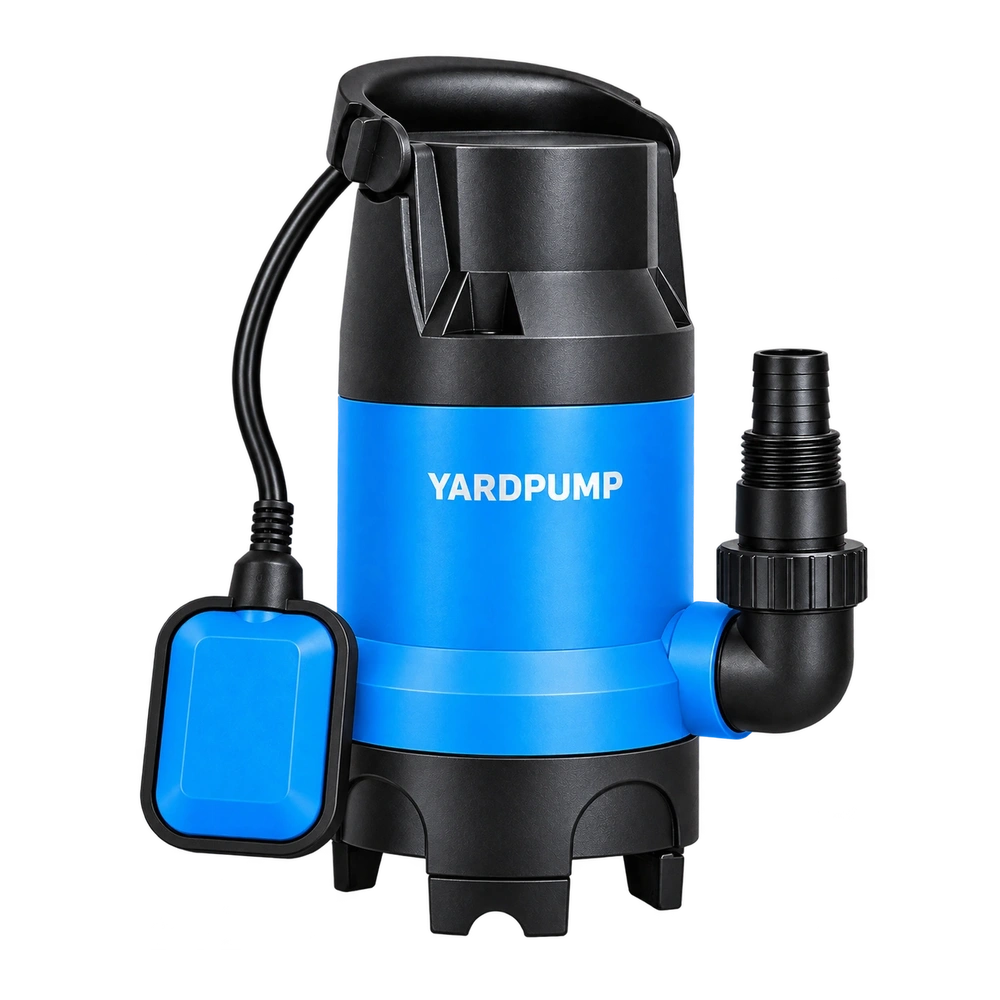
A spare impeller order is packed from two bins. The two parts have almost the same mass and both fit the same bag, but one has a different vane count and a subtly different hub. The parcel passes its weight check; the wrong impeller still reaches the customer. Keep the checkweigher for omissions if it is useful, and add a separate identity check for parts whose weight ranges overlap. The relevant question is whether the shipped part matches the approved fit and hydraulic configuration.
Pick features that distinguish the finished parts
Create a part comparison for the actual revisions: photograph the two sides a picker can see, and note vane count, shape, visible rotation features where applicable, and hub or attachment geometry. An impeller can share a blank shape or nominal diameter with another and differ where it locates or engages the shaft. Prefer a clear permanent marking when one exists, and make its reading location explicit. If a shop mark is ambiguous, use a controlled fixture or a dimensional check of the designated feature off the pump. Colour and general appearance are weak evidence when suppliers use the same material.
Match product models by approved serial or configuration range and part revision, not the spelling on the sales sheet alone. A continuing model can change its wet end. Do not assume that a different-looking impeller is a defect or that a matching vane count means the old part fits. For uncertain compatibility, hold the pick and get the service owner’s confirmation rather than trialling the impeller in an operating motor.
Make the picking and packing checks independent
At receipt, link supplier lot and part marking to the distributor’s internal stock code, and inspect a sample of parts against the approved comparison. Put visually similar variants in clearly separate bins. Keep one reference item or image at each location and define which side to present. Where staff scan the bin and the printed bag label, check one actual part feature before it goes into the bag. Two matching barcode scans will not catch a correctly printed label applied to the wrong component.
Include packing confirmation for high-risk pairs. One person can pick and the packer can check the distinguishing feature and read the complete part code. A verified vision system can do this if it sees the relevant side and has been challenged with both lookalikes. Store the accepted image or feature check in the job record. Inspect reserve bins after part or label changes: a correct reading on the first pack does not necessarily show that a mixed box is all one revision.
Take an illustrative lot where an old two-vane and a new four-vane service part each show 62 grams on the bench scale. The allowable weight windows overlap. Both can pass a package weight check even though only one is approved for a particular chassis. The correct action is to tell the variants apart at the pick position and independently at the pack position, rather than tighten the weight threshold until it rejects good stock.
Use traceability when a mistake is reported
Ask for the package label, a picture of the part from the distinguishing side, and the receiving pump’s model and serial. Advise against fitting an unidentified part. Identify the last verified stock segregation and hold potentially mixed bins or shipments by period and revision. If the original component marking and box disagree, preserve both and review how the part entered inventory. Avoid rewriting the carton label unless the physical configuration and trace are confirmed.
Before resumed shipment, recheck the held parts against the physical identifiers and confirm spare compatibility in the approved tables. When the variants cannot be distinguished with reasonable assurance at the packing station, redesign their labelling or add a dedicated identification station. A stable process helps the service desk fill orders without asking customers to diagnose parts by weight.
Frequently asked questions
Can a scale still be useful?
Yes. It can detect missing items or a substantially heavier wrong item. It cannot identify two alternatives inside the same weight band.
Does an exact hub fit establish interchangeability?
No. The blades, system clearance, loading and approved model scope may still differ.
Can a new photograph replace the revision code?
Use it to identify the physical features. Keep the controlled revision code and associated serial range for the final release.