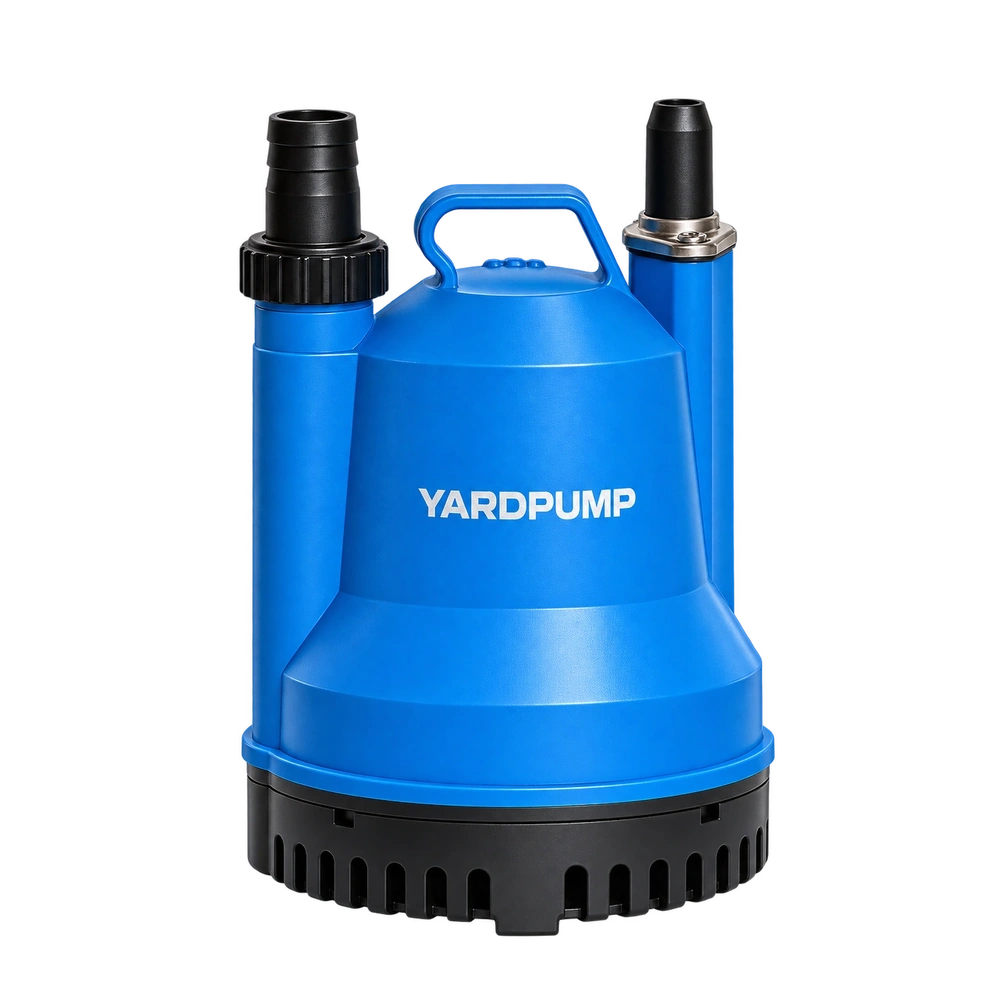
Imagine a warehouse receives submersible pump seal spares with a new label covering the previous number. The parts look alike across two generations, and the inventory system shows stock of the newer part. Can an order for the new revision be picked from these bags? Preserve both identifiers first. Determine whether the change was a sales code update for the same part, a packaging revision, or a change to what is inside. A readable barcode cannot answer that question on its own.
Separate a code change from a part change
A dealer may rename the same manufacturing part. Packaging can also change without changing the component, although quantities, protection or instructions may be different. A physical revision may change fit, material or the compatible pump range. A code-only change needs an approved mapping. A pack change needs evidence of what was packed. A component change needs its revision, manufacturing lot and compatibility conditions. If the new spare works only on newer pumps, identical commercial descriptions do not justify combining bins.
Photograph the package before disturbing the labels. Record both numbers where possible, the relabelling date, source batch, supplier and stock quantity. If the part itself is not permanently marked, first look for evidence that does not damage its protection: a distinguishing feature visible through the bag, supplier packing records or dated original photos. Where an internal dimension or material is the only distinction, do not guess from colour or weight. If opening a sample is necessary, follow the procedure that protects seal faces and keep the opened sample apart from saleable stock.
Define what the evidence actually covers
Suppose, for illustration, that 50 of 80 pouches can be linked through a controlled relabelling list to a known new manufacturing lot. The other 30 were returned from stock and carry the same new label, but have no bagging record. The evidence for the 50 does not extend to the other 30. Separate the locations and system statuses. State which units can be released, which need verification and which should go back to the supplier. If any have already shipped, use the pick and order records to identify affected deliveries without assuming every customer received an uncertain part.
A useful warehouse card has fields for the old identifier, current identifier and how the physical identity was confirmed. Add compatible models or serial ranges, any one-way supersession and the quantity inside each pack. Reconcile quantities moved between old and new packaging. Keep different revisions apart during relabelling and remove leftover labels from earlier jobs. An unidentified loose bag should remain pending even when its new label scans.
Make the disposition before changing stock
Release a part only against the version and application that the evidence supports. For a code-only change, retain the mapping and effective date. For a physical revision, record the compatibility and storage transition. Where evidence conflicts, quarantine and obtain clarification instead of fixing the inventory system first and investigating later. Service staff will use the same record to determine what went into a repaired pump. Identifying the spare now prevents a dispatch number from becoming the only clue after a failure.
When the supplier creates a revision by relabelling, retain the closing count and what happened to unused labels. Check that the old identifier remains searchable for repairs and returns even after the ordering system stops accepting it.
Frequently asked questions
Should I peel off a label that completely covers the original?
Preserve photos and follow the approved evidence process before disturbing the bag. Hold stock if the previous identity cannot be established reliably.
Can one opened bag prove that the whole relabelled lot is new?
Only within a validated packing and relabelling scope. Returned or loose bags from uncertain sources need their own verification.
Can both codes use the same location?
Only if the same controlled part is confirmed and traceability remains intact. Different fit ranges need separate locations or controlled picking rules.