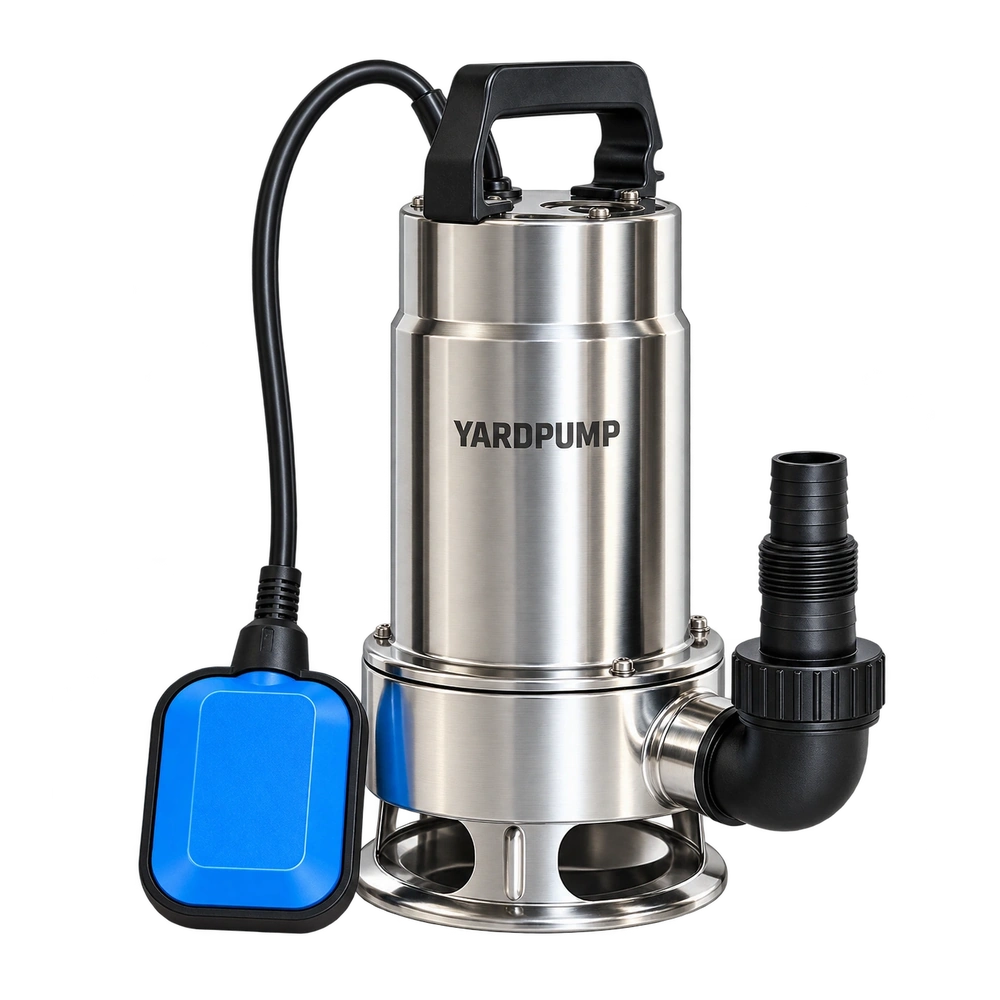
A buyer used the larger discharge hose last season. They followed the instructions for the stepped connector and removed the small end. Now they want to use their original narrow hose again and it will not seat. The usual answer is a compatible uncut stepped connector or an approved dedicated hose tail. The cut removed part of the connection, including its support for insertion and clamping. Tape or softening the hose until it stretches over a different step does not put those features back.
Identify both ends of the part
A stepped connector mates with the pump at one end and offers several hose sizes at the other. Some designs ask you to cut off a small section at a marked location for a larger hose, mainly to stop that small passage restricting the waterway. Other designs use separate, interchangeable tails. Check the exact instructions or an uncut piece from the same release. A picture of a similar part is not enough. Removed steps may include a barb, usable engagement length and a place for the clamp. A wider shoulder on the surviving part does not become a new hose attachment.
Ask the customer for the pump nameplate and order details, then for photos showing the remaining steps, the cut and the pump end of the connector. Where the part can be removed after isolation and depressurization, include the original seal and a scale in the photo. Ask for the hose’s actual inside diameter, not just the size printed on a sales listing. The thread’s nominal size, the tail’s outside dimension and the hose bore describe different features. Check the approved drawing for the thread, seating depth and sealing face as well as the clamp and hose fit.
Make a replacement decision the warehouse can follow
Take an illustrative connector with 25, 32 and 38 mm steps. The buyer has removed the first two as instructed to fit the 38 mm hose. To return to 25 mm, order an uncut compatible adapter and the appropriate securing hardware if available. Otherwise, have the supplier identify an approved dedicated tail for the exact pump connection, pressure conditions and hose. The old piece may still work in its original approved large-hose setup if undamaged. That does not mean the piece it lost can be glued back or reused as a loose reducer. Stacking unknown adapters also adds length and load to the outlet.
When the spare reaches the warehouse, fit it to a unit, hose and clamp from the intended configuration. Make sure the hose engages as instructed and the clamp sits over the correct support. A controlled water check within the stated conditions should confirm that the connection remains seated and does not leak. Retest installed flow when the buyer goes back to the smaller hose. Its resistance may materially reduce delivery at the same length and lift. Use the utility pump range to find the model family, then get the exact connection information for the order. A current product image cannot prove an older version fits the latest spare.
Plan for jobs that alternate between hose sizes
Add three questions to the accessory return intake: Was anything cut? Which hose is the customer trying to use now? Do they have a photo of the original cut marks? If people routinely swap hose sizes, offer a second uncut part or agree a reversible, approved connector arrangement before shipment. Packaging should show the part and location that the instructions allow to be cut, and explain that the change cannot be undone. Verify the spare by release and mating parts. Sending a look-alike to see if it works moves the uncertainty into somebody else’s installation.
At a service counter, an old order code and a clear picture of the pump-side seal can be more useful than a photo of the cut. Ask for both before shipping a part that looks similar in the catalogue.
Frequently asked questions
The smaller hose feels tight. Is that enough to use it?
No. A tight fit does not establish insertion length, clamp support or adequate pressure retention for that connection.
Can the cut-off piece serve as a reducer?
The discarded piece normally has no independent locking and sealing interfaces. Use a reducer designed and approved for the duty.
The label lists three sizes but shows no cut line. Can I trim it?
Use the exact connector instructions. If they do not authorize cutting at a defined location or show the intended remaining attachment, leave the part intact until you have confirmed the design.