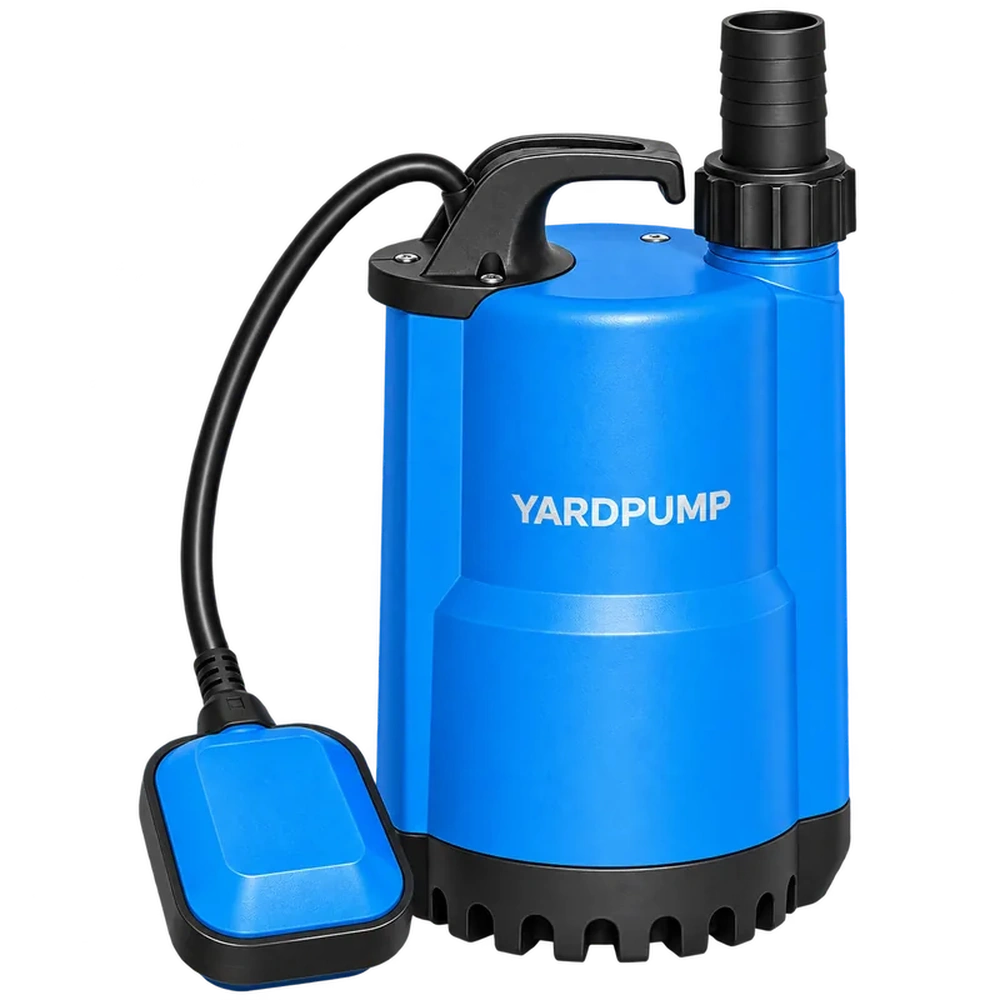
A pump stops after several minutes of service and starts again after it cools. Treat that sequence as a clue. The service record should show what stopped the pump, which conditions reproduced it and why the unit can be returned to the reported duty after correction.
Identify what actually interrupted operation
A thermal protector responds to temperature or current conditions according to its design. Low voltage, blocked flow, poor cooling, overload, repeated starts or internal defects can all contribute. Elapsed time alone cannot distinguish them.
Distinguish an internal thermal opening from a level switch, an external overload, a protective device operating at the supply or loss of voltage. Start by recording what the customer observed. Was the breaker still on? Was the float calling for water removal? How long did it take to stop during each run? Keep labels and photos with the serial or production identifier.
An automatic reset can allow a pump to start unexpectedly. Isolate it before inspection, keep it out of automatic service until evaluated and use a suitably guarded test under competent supervision.
| Observation | Checks it calls for |
|---|---|
| Water reaches the normal stop level | Confirm controller and float state before treating it as a trip |
| Protection at the supply operates | Record which device operated and arrange the required electrical assessment |
| Pump stops while the controller still calls for flow | Compare supply and measured operating conditions before assessing internal protection |
Recreate the reported conditions without exceeding the unit’s limits
Record exact water level, liquid temperature, hose route, voltage, current, input power, start frequency, trip time, restart time and protective-device state. Preserve the returned configuration and have qualified personnel perform electrical checks.
Separate a normal reference run from the customer’s reported duty. At the reference point, use documented water level, liquid temperature and pipework. In the second run, compare the relevant difference within the published limits. For example, if the customer stopped pumping at a lower water level, review whether the pump body lost the immersion needed for cooling. Observe the water level history and operating readings together. A warm restart that stops sooner than a cold one is a clue to thermal accumulation. Confirm which protection acted before assigning the cause.
A pinched discharge can change duty and cooling, and the direction of change in motor load depends on design. Record actual power and flow if the hose is implicated. For an electrical concern, have qualified personnel check supply under load and verify the motor and protector through the approved method.
Make the release decision reproducible
Return the unit only with an evidence-based cause, completed corrective action and repeatable release result tied to the serial identity.
Attach elapsed times, temperatures and observed symptoms to the corrective action and retest. A replacement protector by itself does not resolve a blocked intake, recurring low water or abnormal supply. If the complaint has not been reproduced, document the gaps and escalation decision before release. Give the customer the verified installation or service change that prevents a recurrence.
Frequently asked questions
Does automatic restart prove the thermal protector is working correctly?
It suggests something reset. Identify the device and compare its response with the actual model and operating conditions.
What should go in the timing record?
Include water and supply conditions, start, trip and reset times, level-switch state and any external protective-device indication.
Can the workshop simply let it cool and run it once?
Use an agreed repeatable wet test that follows the limits for the model. Include the corrected condition and record how it relates to the customer’s duty.