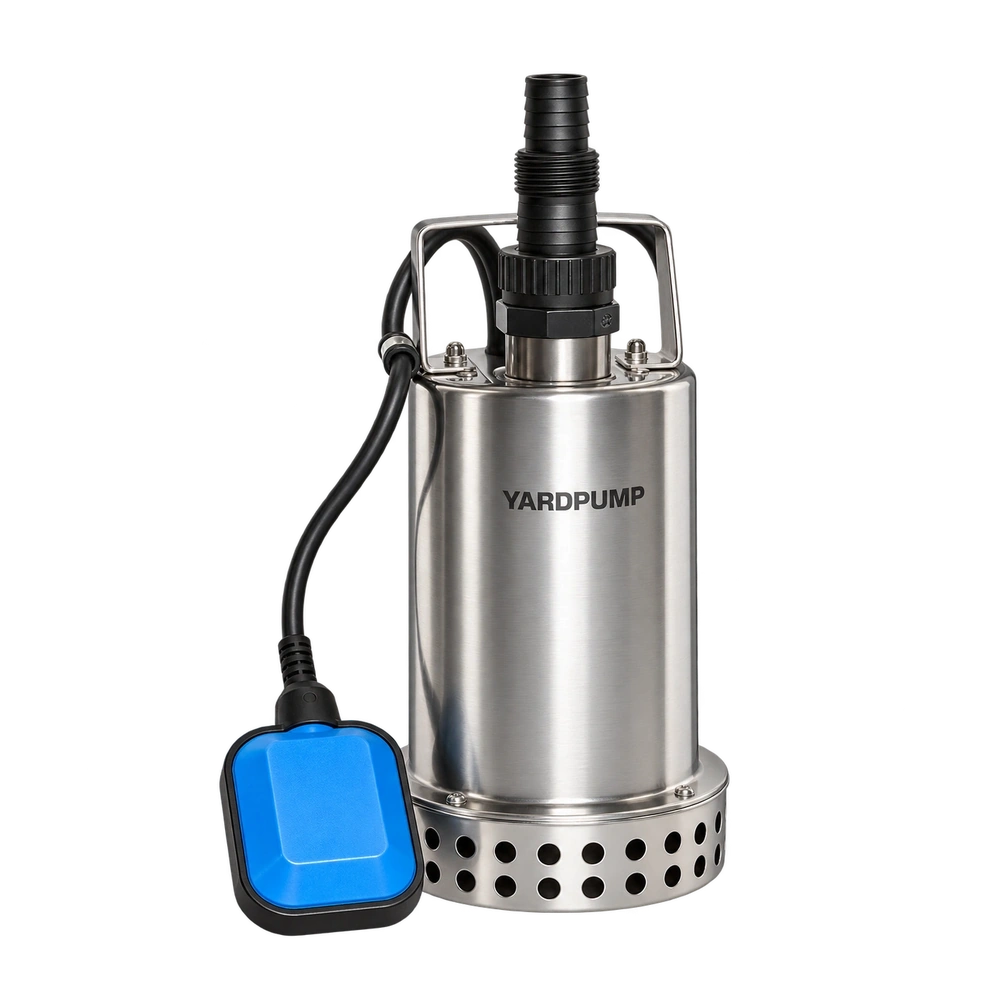
The repaired pump starts, drains a test container and stops with its float. Is the repair complete? That proves useful functions, but it does not establish that disturbed electrical connections, cable entries or seals are safe. Release should follow the manufacturer's applicable repair procedure and identify the exact unit, repaired scope and verification results before the pump returns to the customer.
Let the repair define the checks
A cleared external strainer is different from a cable replacement, motor intervention or shaft-seal repair. Write down what was opened, replaced, adjusted and left untouched. The verification plan should cover the interfaces affected by that work as well as the original complaint. A generic pass stamp can conceal important gaps.
For example, changing a cord may affect protective earth, conductor termination, insulation and cable restraint. Opening an oil chamber can affect sealing and fill condition. Replacing an impeller can alter hydraulic performance, clearance and fastening. These examples describe the need for scope-based verification; they are not a universal instruction to dismantle or retest every pump in the same way.
Electrical release belongs to competent personnel
Isolate power and use qualified service personnel. Where applicable, confirm the protective-earth path and appropriate insulation or leakage performance using the correct procedure and limits. Account for electronics, capacitors and protective components before choosing a test. An indiscriminate high-voltage test or a consumer plug-in tester does not substitute for a repair-release method.
Do not use repeated energization in water to investigate a suspected insulation defect. A pump can deliver water while an unsafe electrical condition exists. Similarly, a residual-current device that did not trip during a brief demonstration is not evidence that the repaired unit meets its safety requirements. Keep failed or unresolved units segregated from releasable service stock.
Restore the mechanical and wet functions
Check disturbed seals, fasteners, guards, cable restraint and control mounting against the approved configuration. Apply the specified sealing assessment rather than inventing an excessive pressure or immersion depth. Static leak checks and operating checks answer different questions. Where repair instructions require both, one cannot be used as an informal replacement for the other.
Then verify the relevant flow and head, noise, control levels and protective behaviour under the defined conditions. A wrong replacement impeller may rotate successfully yet deliver the wrong duty. A float may move by hand but catch after the cover is installed. Test the assembled state that the customer will receive, including the required accessories.
Make the release record useful after shipment
An illustrative service record has separate entries for complaint reproduction, repair performed, parts and revision, electrical result, sealing result and functional result. Each entry should name the method, conditions, measured value or documented disposition and responsible person. Use the original unit identity and link replacement parts to their controlled source.
Provide the customer with the applicable instructions and any authorized restrictions. If an old configuration is no longer supportable, explain the approved replacement route instead of quietly fitting a convenient substitute. A repair report should say which complaint was addressed, not promise a new-pump life expectancy that the work did not establish.
For compact YARDPUMP drainage pumps, the release requirements depend on the model, electrical market and intervention. Obtain the current service direction rather than deriving limits from an unrelated model or a general article. The operational decision is straightforward: return a unit only when the required repair verification is complete; a successful bucket run is one part of that evidence.
A release checklist also needs a failed-result route. State where the unit goes when electrical, sealing and functional results disagree. For instance, hydraulic success with an unresolved insulation result remains blocked, while a safe electrical result does not excuse wrong flow. Rework should generate a fresh, linked verification record, preserving the earlier failure rather than overwriting it with the final pass.
Frequently asked questions
Must every repaired pump receive the same tests?
No. The applicable procedure and disturbed interfaces determine scope. Required safety checks must not be omitted because a repair looked minor.
Does a passing float cycle prove electrical safety?
No. Control function and electrical safety are separate verification tasks.
Can I mark an unresolved unit as “tested”?
Record what was actually tested and its result. Keep unresolved safety or sealing issues clearly blocked from release.