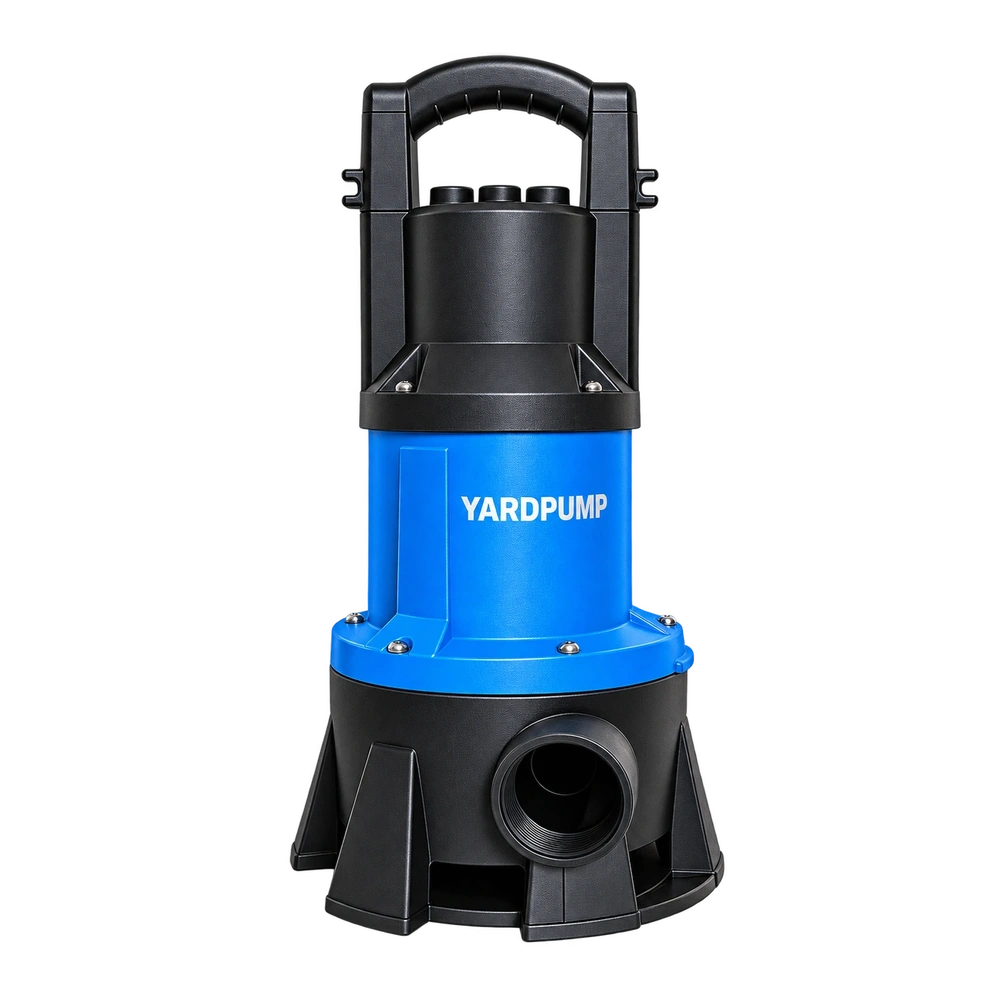
Imagine a distributor has received a failed pump and needs time to find out what happened. The customer still needs drainage. A loaner can keep work going, but only if it is suitable for the installation and managed as a separate unit. Do not let the loaner’s serial number replace the identity of the original return. The service record should distinguish temporary continuity, diagnosis and any eventual permanent replacement.
Confirm the job before taking a pump from the loan pool
Collect the liquid, likely debris, installed head, actual required flow, power configuration, control method and space for installation. Check where the pump will discharge and who can install it. A loan unit with similar wattage may have a different start level or outlet connection. If the failed unit served an unattended or critical installation, have a qualified installer review the temporary arrangement and backup plan. Do not lend a portable manual unit on the assumption that it can stand in for an automatic system.
Confirm the available accessories and their condition. Match the agreed hose and fittings to the pump, and give the user the approved operation limits. Arrange dry, safe electrical connections and qualified inspection if a fault is suspected. Do not ask a customer to re-use a cord, controller or discharge fitting implicated in the original failure simply because it saves a trip.
Keep two traceable lines in the service record
For illustration, original unit A is received with its incident number and inlet obstruction documented. Loan unit B goes to the same customer for a stated period, with a separate inspection, accessories and acknowledgment. Later, inspection finds that the fault was external to A. That does not mean B was sold or that the original report should be moved to B. If a permanent replacement C is eventually supplied, keep that transaction separate as well. These letters show the record structure, not a warranty outcome.
The handover should state intended duty, installation responsibility, return date or event, included parts, what the customer should do if the unit alarms or delivery stops, and how to report a new problem. Record condition at handover with agreed photos or check results. Keep the diagnosed pump and its original attachments accessible for evidence. The loan should not imply a concluded cause or a change to contract terms; use the distributor’s agreed terms and applicable local requirements.
Inspect the loaner before returning it to the pool
On return, confirm liquid use, damage, missing parts and how it was operated. Segregate a wet, dirty or questionable unit under the approved handling rules. Clean as permitted, then have qualified staff perform the checks required to release it. A loaner used with a different liquid or with damaged electrical parts cannot be cleared by a quick wipe. Record its service history separately so the next handover has evidence of suitability. If it cannot be verified, leave it unavailable until resolved.
A dependable loan program starts with an appropriate temporary installation and ends with an inspected, traceable asset. It can help a customer without prejudging whether the original pump was defective. Maintain those two tracks in the service system, and the later diagnosis remains useful.
Include the time the temporary unit becomes due back and a named contact for problems. If a second site needs the same loaner before its return, resolve that scheduling conflict using an inspected unit rather than promising equipment still in use.
Frequently asked questions
Does providing a loaner settle the warranty claim?
No. Record it as temporary support and continue the evidence-based assessment under the applicable terms.
Can the loaner be sent with the returned pump’s hose?
Only if that hose is compatible, undamaged, clean for the intended use and cleared through the approved procedure.
What if the loan unit develops its own fault?
Record its serial and separate event, isolate it safely and arrange appropriate service. Do not overwrite the original incident.