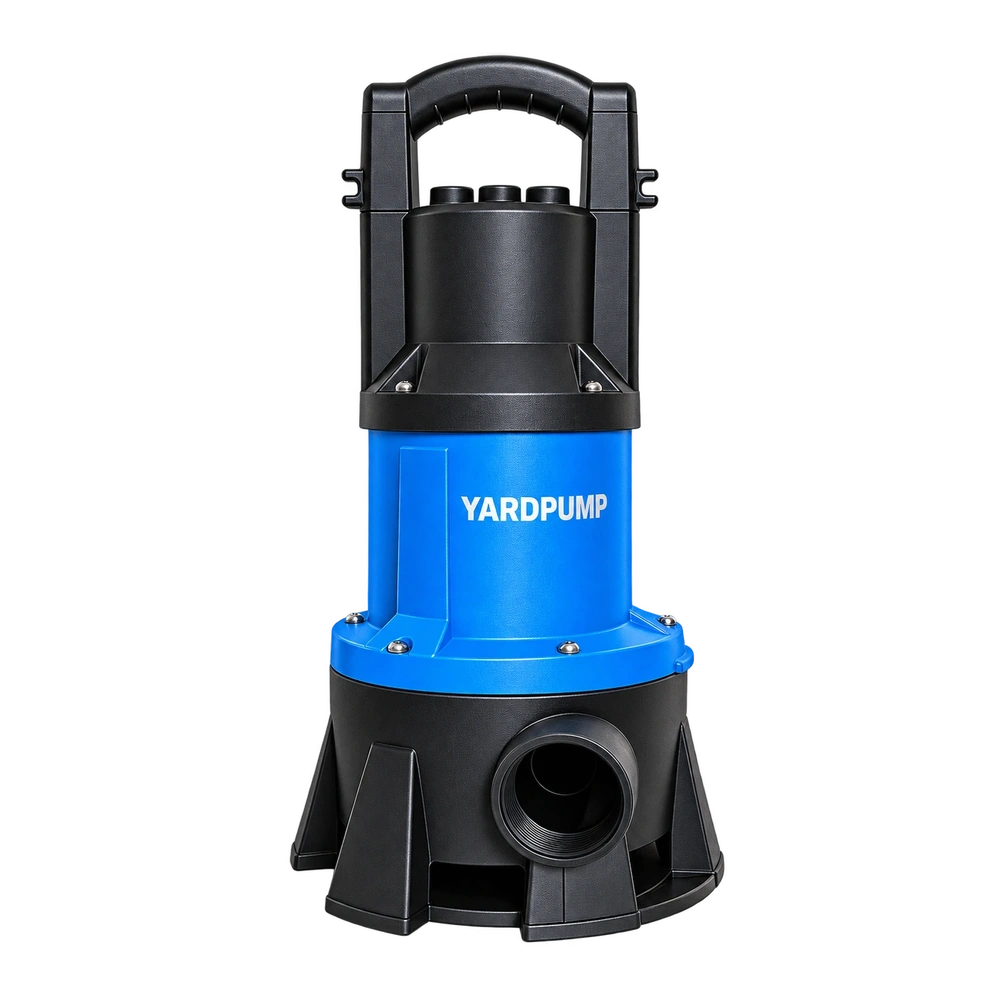
Suppose a distributor receives a pallet of plastic-housing drainage pumps and several corner cartons are visibly compressed. Opening those cartons can reveal whether the impact reached the pump feet, carrying handle, cable entry or discharge adapter. It does not give a representative picture of the shipment. Keep two records: a damage investigation that follows the suspected exposure, and a receiving inspection that uses the agreed selection and acceptance plan.
Preserve positions before moving boxes
Photograph the affected pallet and nearby pallets so the location and direction of damage remain identifiable. Record the shipment reference, carton or pallet IDs, compression direction and any wetting. Isolate visibly affected units according to the receiving plan. Avoid restacking, replacing cartons or discarding internal protection before the damage evidence is recorded. When you open a carton, match the load direction to the feet, joint, cord entry, outlet and accessories. A unit with suspected electrical or housing damage should be held for qualified inspection. Plugging it in to see if it spins is not a release test.
Write down why each investigation unit was selected. A crushed lower corner, a nearby comparison unit and a serial drawn at random are three different selection reasons. If a unit was genuinely selected at random and then turns out to have a damaged box, retain that fact. Quietly swapping it for a cleaner carton undermines the original sampling basis.
Define the lot before deciding what passes
Record the full shipment, the visibly affected group and the group with no visible carton damage. The contract may require a sample of the entire lot, or allow affected cartons to be segregated before inspecting the rest. In the latter case, an acceptance result covers only the remaining defined group. It does not release segregated units. If the two groups will be sampled independently, agree how units are chosen, what will be tested and which rule applies to each group before looking at the results.
A good-looking plastic case does not rule out damage to internal sealing or the impeller assembly. Use the agreed checks for the product, and where required use a suitable facility for functional and safety tests. Preserve the link to the pallet, serial and inspection record even when an item moves to hold, rework or return. That link is how a distributor can compare later field complaints with the arrival condition.
Two results from one delivery
In an illustration, a shipment has 120 cartons and 15 are visibly compressed. The receiver deliberately opens the six worst cartons and finds four pumps with an accessory or housing problem. The useful statement is that four of six targeted units had issues and the exposed group is on hold. It is not a statement that two thirds of the shipment failed. A separate agreed random sample of 12 among the remaining 105 finds one issue. Apply the stated decision rule to that group. Combining the two results into five failures out of 18 and calling that the shipment defect rate would combine different selection methods and populations.
Put the decision in writing
Show the scope of the hold, checks completed, checks still required and who can release each group. A freight investigation needs the damage pattern, original packing and photographs. A purchasing decision needs the sampling basis and acceptance criteria. Even if the remaining shipment passes, that does not clear a pump whose pressure boundary or cord was exposed to a damaging impact.
Frequently asked questions
The worst cartons look fine inside. Can I release the shipment?
Not on that basis alone. Targeted checks help investigate transport damage. They do not replace the agreed representative inspection.
Can I replace a randomly chosen carton if it is damaged?
Follow the agreed procedure and record what happened. Do not substitute silently and present the result as the original random sample.
Why hold a pump just because the carton is damaged?
The hold preserves evidence and controls where the unit goes. Product inspection, rather than carton appearance alone, decides whether it can be released.