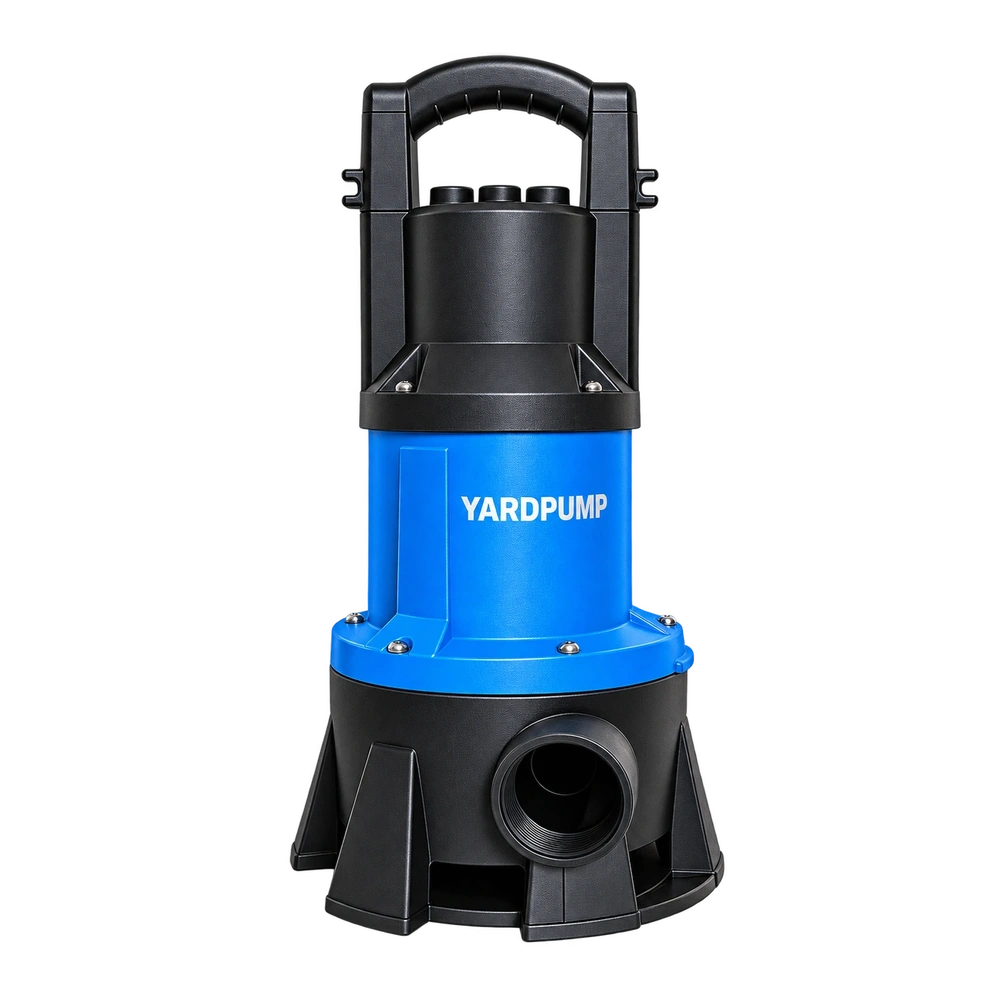
A pump is returned with its power cord cut. The customer says the breaker had tripped before the return, but the receiving team cannot tell whether the cord was damaged in service or cut afterwards to prevent reuse. Keep the pump isolated. Record the chronology and inspect the original evidence without improvising a power connection. A cut cord changes what can safely be tested; it does not erase all other evidence.
Establish when and why the cord was cut
Record the return authorization, unit and carton identity, the original symptom, when it first occurred and what happened before return. Ask who cut the cord, when, under whose instruction and whether the cut section or plug was retained. Do not assume a clean cut is evidence of abuse or that a cut made for disposal caused the original fault. If the customer has a photo from before the cut, preserve the original timestamp and the view of the cord entry and plug. Gather relevant information about installation, supply and protection without asking the customer to recreate a trip or handle live equipment.
Photograph the pump as received, including the remaining cable, cut end, cable entry, plug if available, and any abrasion, crushing or moisture traces. Package loose pieces separately with identity and orientation. State what is missing. A cut can remove evidence of earlier abrasion, leakage or plug damage, and handling after the event can change visible condition. A receipt record should distinguish what was observed from what was reported.
Split the inspection into safe stages
Leave the unit de-energized and block ordinary use. Authorized personnel can carry out suitable non-powered checks under the approved procedure, such as inspecting the enclosure, entry and cable path. If internal inspection is needed, preserve the warranty and evidence conditions and have the appropriate personnel isolate stored energy before work. Electrical tests require an approved plan and qualified staff; electronics or protection components can affect the selection of a method. Do not fit an improvised plug, join exposed wires, bypass protection or energize the return simply to reproduce the symptom.
In an illustrative case, a service ticket and dated photo document that the cord was intact when the original trip occurred. A later photo shows that the cord was cut after return authorization. The cut limits testing but does not explain the earlier trip. In a different example, abrasion at the cable entry appears in an earlier image, while the returned plug is missing. The service team can investigate the entry while leaving plug involvement unresolved.
Write a conclusion at the level the evidence supports
The report should separate the condition on arrival, the reported operating event, findings supported by examination and tests not possible on the original assembly. Where the manufacturer authorizes cable replacement to continue testing, record that later tests are on a changed configuration. They may help isolate a cause, but they cannot recreate all conditions of the returned unit or prove the original cable was sound. Retain the parts until disposition is approved.
Agree return instructions that protect people and preserve evidence. If disabling equipment is required under a specific program, give clear safe instructions through authorized channels and consider what parts must be kept. Apply the warranty terms and technical findings to the actual case; the cut itself does not automatically establish product failure or determine who caused it.
Keep loose cord pieces attributable to the individual return even when several units look alike.
Frequently asked questions
Should the customer cut a cord before returning a faulty pump?
Follow the authorized return instructions. Do not cut or handle a cable while it may be connected, and preserve the evidence requested by service.
Can the return still be investigated without the plug?
Yes, within limits. Document the missing part and keep conclusions about it open.
Can a successful run after cable replacement clear the original cord?
No. It shows the modified assembly operated during that test, not that the original cord or plug was fault-free.