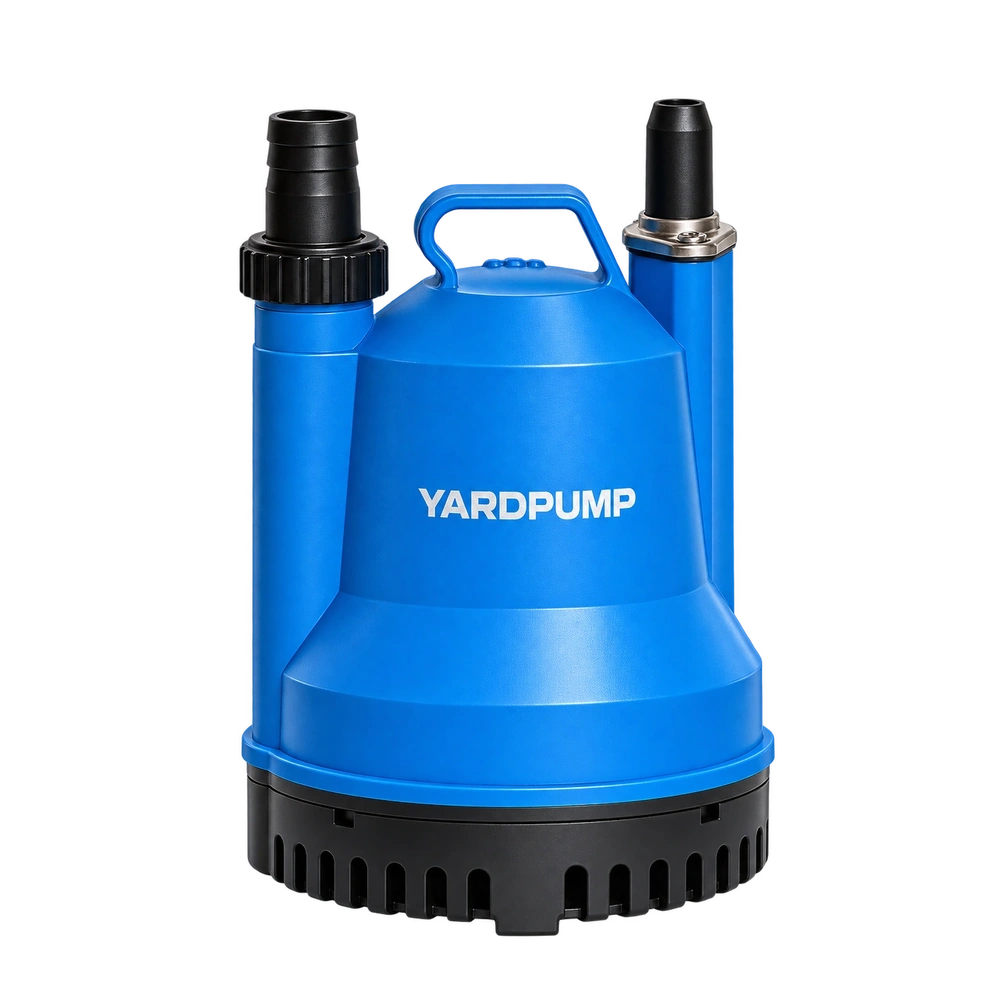
An after-sales team receives a pump without a nameplate. It resembles a supplied model, so can it be repaired as that version? Establish identity and configuration evidence first. A missing plate does not automatically prove a counterfeit or cancel applicable rights. However, appearance alone cannot establish voltage, wiring, materials or internal revision.
Preserve the received condition
Record the overall condition, visible markings, connectors, cable, packaging and accompanying information, linked to the sender and work order. Do not clean, rewire or modify the pump before preserving useful evidence. Apply the appropriate returned-equipment isolation and handling arrangements where contamination, damage or electrical condition is uncertain.
Purchase records, orders, lot information and earlier photographs can help. Their evidential value differs. A generic product image does not identify the returned unit's exact configuration, and a matching enclosure does not establish whether internal components were repaired or replaced.
Separate confirmed facts from unresolved ones. That distinction allows the investigation to proceed without prematurely assigning an identity.
| Evidence | Possible relationship | What it cannot establish alone |
|---|---|---|
| Order or invoice | Transaction and supply record | Unchanged condition of this unit |
| Packaging or earlier plate image | Candidate model and lot | Definite association with the returned pump |
| Casing, cable or component marks | Leads for version comparison | Every whole-pump rating |
| Repair history | Recorded changes and work | Later undocumented modifications |
Do not energise the pump to guess its voltage
An unidentified pump should not be connected to a convenient supply to see what happens. Unknown voltage, wiring, protection or damage can create hazards. Qualified personnel should inspect under appropriate isolation and professional procedures. Testing needs its required prerequisites established first.
If internal examination is necessary, preserve the pre-inspection condition and document findings. Compare them with approved version information. One capacitor marking or winding observation does not establish every rated condition.
Where evidence remains insufficient, retain an unconfirmed status. Copying a plate from the nearest-looking model does not resolve the uncertainty.
Link several independent clues
Consider a hypothetical return with an order number and a packaging lot label but no pump plate. Check the actual shipment configuration, then compare the packaging and visible features with the unit. Even a single-model order does not rule out a customer returning another item in that packaging.
Conflicting clues should be recorded and investigated. An interim report can state that a supply record was found while the physical association remains unresolved. It can also identify which professional checks are complete.
That staged explanation is more useful than an early declaration that the exact model has been confirmed. It shows what evidence supports the next action and what still limits it.
Keep identity and responsibility decisions distinct
Supply association, safe repairability, failure cause and warranty responsibility are connected questions, but they are not identical. Missing identification can limit the test basis without settling every responsibility issue. Use the genuine transaction, applicable commitments and investigation evidence rather than inventing a universal exclusion rule.
Repair or replacement marking should follow an approved process, with authorised confirmation of accurate information and retained history. If reliable identity or critical ratings cannot be restored, explain the limitation and determine an appropriate disposition.
Do not relabel an unknown pump into normal saleable inventory. Keep the original identification gap and subsequent decisions visible so that later staff can understand what happened.
This article concerns evidence management for returned equipment. It provides no brand-specific warranty policy or universal legal conclusion. Actual handling depends on product information, the transaction and applicable requirements. A quick case closure cannot replace safe identification and assessment.
Frequently asked questions
Does an identical casing prove the same manufacturer?
No. Shared or similar appearance does not establish complete-product origin or configuration. Other linked evidence is needed.
Does an invoice remove the need to examine the returned unit?
No. Confirm its relationship to the physical pump and the pump's actual condition. A transaction record does not prove that no replacement or repair occurred.
Can a same-model plate be added before investigation?
Do not conceal uncertainty with an assumed identity. Confirm the actual configuration and marking through the approved process and preserve the relabelling record.