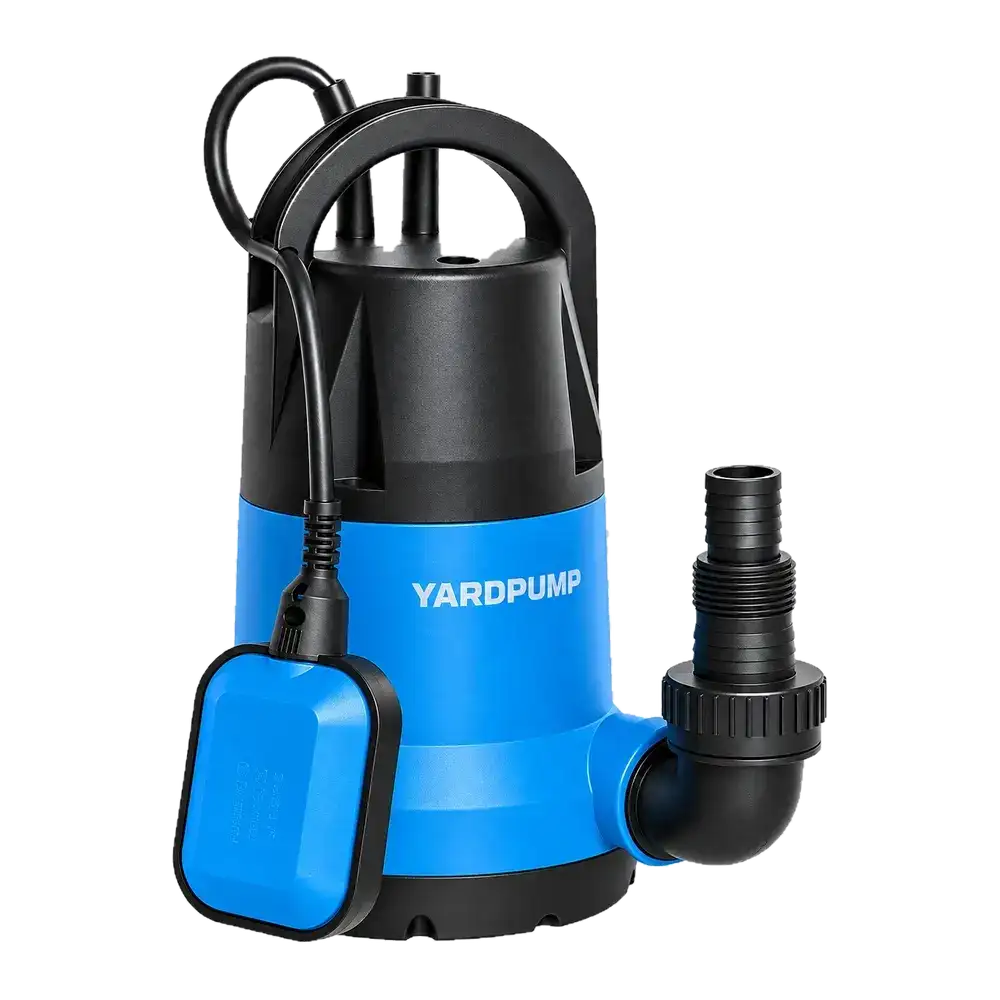
Suppose a small submersible pump is returned with a leak at a fixed joint. Returning it to the bench shows the O-ring size, groove depth and fastener checks are within limits. A short fibre appears when the housing is opened. It matters if it was trapped across the sealing band. Material in that position can interrupt contact, and a hard particle can indent the ring or mating surface. A fibre dropped onto the part during teardown does not carry the same evidence. The buyer needs to learn whether it was trapped, how it got there and what other units might be affected.
The position matters more than how much dirt is visible
A static O-ring relies on controlled deformation and continuous contact with both mating surfaces. Some soft fibres flatten; harder debris or a bundle of fibres can leave a local break in contact. A fibre that crosses the sealing band is more relevant than loose dust elsewhere. A sufficiently hard particle may also mark a surface, so cleaning alone does not necessarily restore the seal. Conversely, a groove, mating face, compression or material problem can still exist after cleaning.
Start with photographs of the return and the external water marks. Water from a higher joint can track down the seam; the visible drip is not always the start of the path. Compare the suspected joint with the drawing and identify its wet and dry sides. Where the equipment has admitted water or tripped protection, isolate power and have qualified staff deal with it. Do not energize it merely to reproduce a complaint. Depressurize any affected parts under the approved procedure before opening them.
Preserve matching evidence on the two sides of the seal
When the joint is opened, photograph the ring and both faces with angled light, a scale and a marked orientation. Record any indentation, tear or corresponding mark on the other part before removing the debris. Keep samples identified and avoid adding fibres from a cleaning cloth during the investigation. After cleaning, check groove depth, ring dimensions and surface damage at the recorded location. A ring that has taken a set may need to be compared with controlled preassembly dimensions or an unused specimen. If the item was found loose, record that the original position is unconfirmed.
Walk through wiping, temporary storage, placement of the ring and closing of the housing. Sources can include machining particles, wipes, gloves or packaging. Do not assign responsibility before comparing the debris and process evidence. Define where inspectors check after the last cleaning step, what lighting and wipes they use and how parts are covered while waiting for assembly. Identify stock that shares the affected station, material or time window. Hold and sample it under the agreed procedure rather than assuming the defect was isolated.
Verify the corrected joint without losing the failure record
In an illustrative return, a fibre crosses the contact band from wet side to dry side, and facing surfaces carry a narrow indentation at the same angle. No similar mark appears elsewhere. After applying an approved low-lint cleaning step and dealing with damaged parts, the same configuration passes the original leak test. That supports contamination as a relevant cause. Keep the original failed record and sample identity. Define the test method, pressure and duration from the approved product and purchase requirements; a suspected gap is not a reason to improvise a higher pressure.
Frequently asked questions
Does one wet test release other pumps assembled during the same shift?
Not by itself. Establish the common process or material scope and follow the agreed holding, inspection and disposition rules. Keep the first failure record.
Can extra seal grease hold the fibre in place and stop the leak?
Do not use grease to cover debris. If lubrication is specified, use the approved type and amount. It cannot replace cleaning or restore a damaged face.
If there is no debris in the original position, should assembly cleanliness still be checked?
It can remain a line of enquiry. Without matching evidence, do not name it as the cause. Continue checking the leak path, groove and assembly condition.