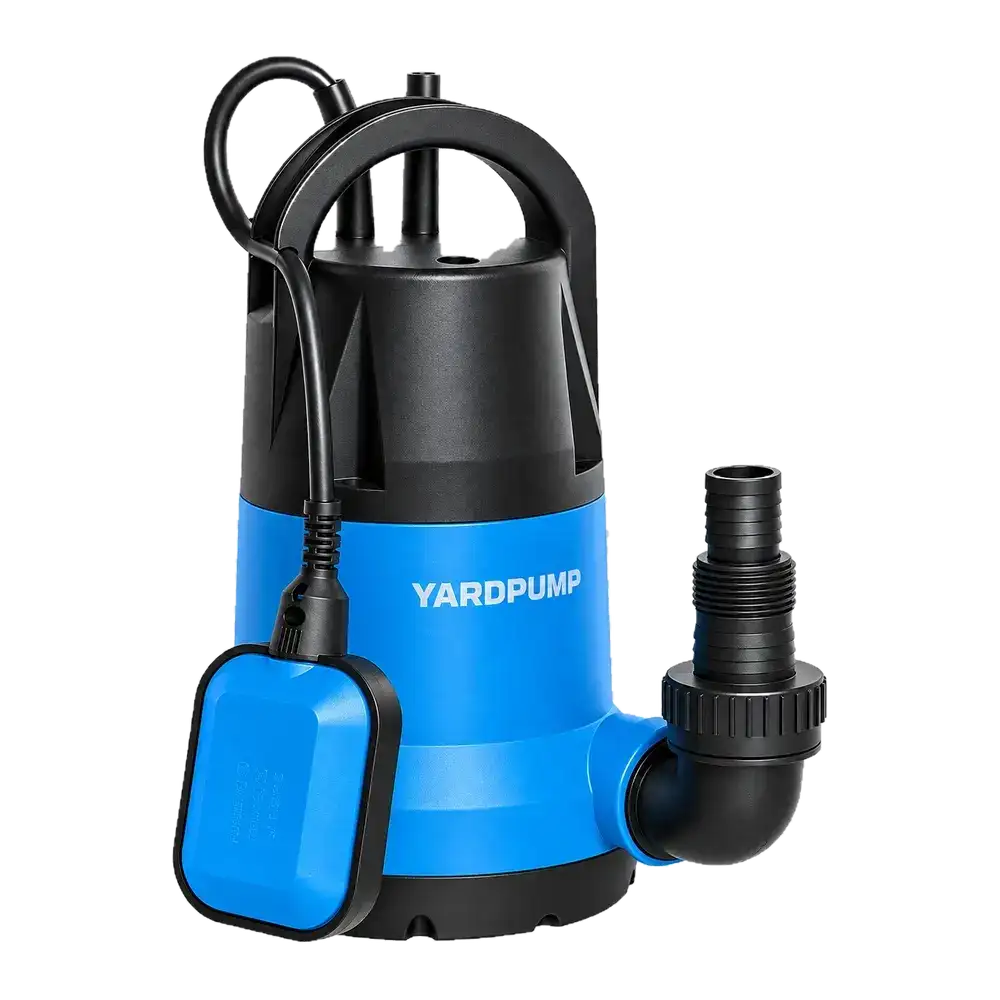
Slippery deposits appear in an air-conditioner drain pan and drainage becomes intermittent. Someone recommends a larger pump. Will that solve it? Not necessarily. Inspect the complete route from the pan to the pump and from the pump to discharge.
Slime and debris may restrict an inlet, small tube, check valve or level mechanism. More pumping capacity does not replace cleaning, correct installation or an appropriate overflow response.
Why deposits affect drainage
Condensate can collect dust and other contamination from the pan and pipework. Persistently damp surfaces may develop attached deposits. Appearance alone cannot identify a particular organism, and every slippery deposit should not be assigned the same cause.
For maintenance, the practical issue is whether deposits narrow passages, interfere with moving parts or detach and block a smaller downstream line.
Rated flow applies at stated head and conditions. A blocked inlet can prevent water reaching the pump, while a restricted outlet or faulty check valve can prevent delivery. Replacing the pump may leave the actual restriction in place.
Inspect three parts of the system
Stop and isolate the equipment using its service procedure. Qualified personnel should identify the power and control circuits and manage electrical risks. A small volume of water is not a reason to reach into energised air-conditioning equipment. Collect contaminated drainage and clean the area appropriately.
| Area | What to inspect | Why a larger pump may not help |
|---|---|---|
| Pan to inlet | Pan drainage, entry, connecting line and deposits | Water may not reach the pump |
| Pump and reservoir | Level action, moving parts, deposits and damage | Cleaning or repair must follow the model instructions |
| Outlet to discharge | Tubing, check valve, lift and discharge point | Restrictions or installation errors can remain |
Do not push removed deposits into a narrow downstream tube. Confirm compatibility before using cleaners, disinfectants or treatment tablets. Requirements may differ between the air conditioner, pump and pipework. Unapproved chemicals can damage materials or create hazardous mixtures.
This guide does not prescribe improvised biocide mixtures or dosing.
Separate cleaning needs from capacity needs
Restore the approved installation, clean serviceable areas and confirm open passages. Qualified personnel can then verify water entry, start, discharge and stop in controlled conditions.
If drainage remains inadequate, review the actual condensate rate, vertical lift, tube length, restrictions and pump curve. Capacity should be evaluated at the installed operating point rather than the maximum-flow label.
For a hypothetical example, condensate arrives at a peak 8 litres per hour while the pump can deliver 20 litres per hour at the relevant operating point. That comparison alone does not prove reliability. Inlet blockage, reservoir volume, controls and overflow paths can still cause water accumulation.
The numbers are illustrative, not specifications for an air conditioner or pump. A larger replacement also needs compatible storage and controls, suitable noise behaviour, connections and an approved installation position.
An ordinary submersible pump is not automatically suitable for a shallow air-conditioning pan. A dedicated condensate pump also has temperature, liquid and installation limits. Do not transfer procedures for acidic boiler condensate directly to an air-conditioning system.
Verify overflow response and maintainability
Where a high-level switch is provided, qualified personnel should confirm its intended wiring and function. Depending on the design, it may initiate an alarm or stop the equipment producing condensate. It is not an invitation to bridge wires, and its presence does not prove that it has been connected correctly.
Set maintenance intervals using the environment, observed fouling and manufacturer’s instructions. A particular maker’s annual or twice-yearly advice is not a universal schedule for every installation.
Record when deposits are found, where they collect, how cleaning is performed and the subsequent functional results. That evidence helps determine whether service needs to be more frequent or the inlet environment improved.
For a distributor or property service team, a completed response should establish clear passages, verified operation, the intended overflow response and a practical next service. Repeatedly fitting larger pumps without investigating restrictions is unlikely to resolve the underlying maintenance problem.
Frequently asked questions
Why can apparently clear condensate still cause blockage?
Visible clarity does not establish clean pan and pipe surfaces. Deposits and debris may accumulate locally at the bottom, inlet or small tubing.
Is a high-level switch a backup pump?
No. It may alarm or stop equipment, but it does not add drainage capacity. Correct connection and testing still matter.
Can a wastewater pump replace a condensate pump?
Passage size alone cannot decide this. Space, control, lift, water condition and equipment requirements all need to match.