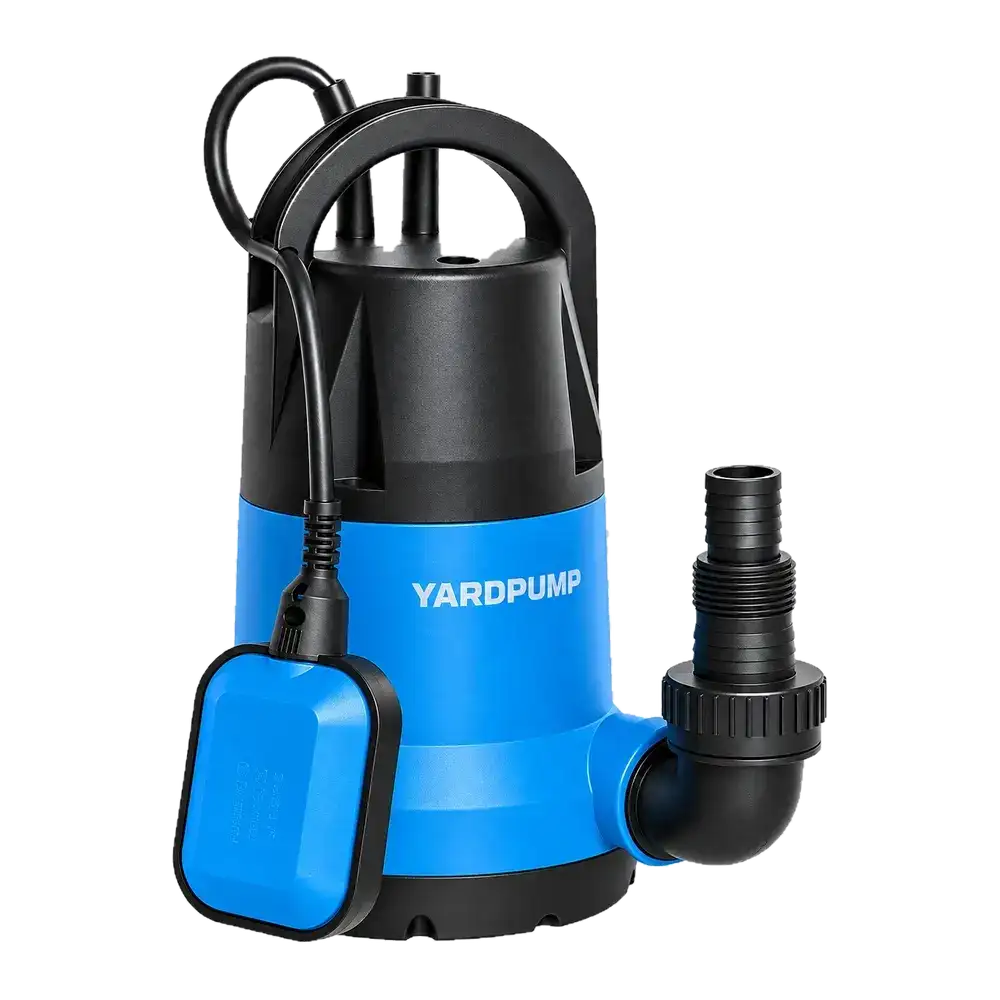
Imagine a sump that keeps filling after an outage during heavy rain. When power returns, the float is already up. The owner expects immediate pumping, but a controller may run a self-check or wait for a reset. Commission automatic drainage with the level already above start when power comes back. A normal powered test in which the level rises from low to high only shows that the controller recognizes a new change. It does not show what it does with a signal already present at startup.
Determine what the controller reads on power-up
Some simple controls can respond as soon as power is restored and the float circuit is still closed. Electronic controllers may impose a delay, keep a latched fault, wait for a new transition or combine several level inputs. They may also retain a previous alarm state. Ask the supplier for the expected response when level is unchanged during outage, when it crosses the start setting while power is off, and when the controller was in fault before supply was lost and water is still high.
Log motor start separately from effective discharge. You can hear the pump while the line is still filling, while a valve is opening, or while another discharge problem limits delivery. For flood protection, the useful response is the time from restoration to actual outflow and, ultimately, a falling sump level. Find out whether the alarm has independent supply or event logging. No alert during a blackout does not establish that the water stayed low.
Compare the delay with usable storage
For illustration, suppose 30 litres remain before the highest safe level when power returns. Inflow is 12 litres per minute, with no discharge yet. That leaves about two and a half minutes at a constant rate. If the controller waits 45 seconds and there are another 15 seconds from start to useful discharge, the first minute consumes 12 litres and leaves 18. Once water begins to leave, the sump falls only if actual discharge exceeds concurrent inflow. Test figures from a gentle fill do not replace design assumptions about a storm.
Test without losing the ability to stop
With inflow controlled and alternative drainage available, have qualified personnel follow the manufacturer's procedure using the installed controls. Choose a low-level case and a case above the start line but well below a dangerous level. Record power restoration, start request, useful flow and alarm state. Never bridge a high-level or electrical protection device or operate supply equipment from standing water. Isolate and verify de-energization before work near the pump. A float sitting low is not an isolation device.
Where interruption is unsafe or not permitted, verify logic by an approved controller test or a service-bench setup, and record what must still be checked on site. For unattended drainage, evaluate backup, inflow and electrical supply separately. A successful restart does not establish that the next storm will remain within the system's capacity.
An external contactor or building controller adds another recovery state. The pump controller can issue a request while an upstream interlock still prevents energization. Conversely, an upstream system in automatic mode does not establish that the pump controller has cleared its fault. Have the electrical team map supply availability, run permission, start request and actual running feedback against the schematic. State which portion was tested. Leave untested communications or remote-reset functions as open items instead of declaring complete automatic recovery from a local button test. Where several pumps share the supply, also use the approved sequence rather than assuming all may restart simultaneously.
Frequently asked questions
Does a short delay always mean a fault?
No. Check settings and the manufacturer's logic, then compare the delay with real inflow and remaining safe storage.
Does hearing the motor count as a pass?
Confirm useful discharge, level trend and alarm recovery. Motor sound says nothing about a blocked or ineffective outlet.
Why test low level as well?
Restoration must also avoid a dry start. Reliable control responds correctly at high level and inhibits operation when water is too low.