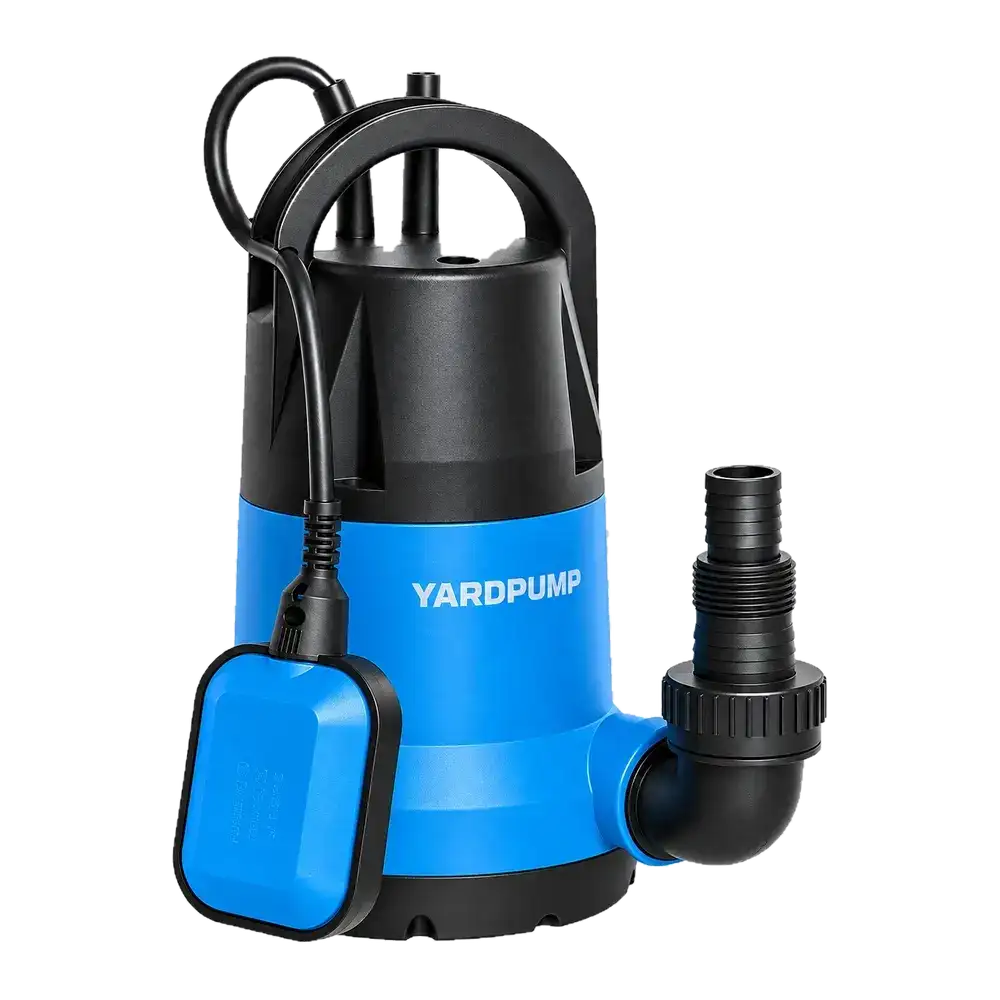
The shortest route for a portable submersible pump's discharge hose crosses a driveway that is still in use. A suggestion comes back: buy the next pump size up and let the extra pressure hold the hose open under a tyre. That is not a dependable arrangement. Keep the hose out of the wheel path if possible, or have the site use protection approved for the vehicles, hose and crossing. A hose's internal pressure rating does not say what happens when a wheel bears on it.
External crushing is not the same as normal hose friction
A reduced flow area adds a local restriction. A layflat hose may also behave differently before it fills and after it expands. A wheel introduces a moving load and can displace the hose or stress a nearby coupling. Raising pressure does not make a crossing suitable for traffic. It can leave the pump, hose or fitting in an unfavourable condition if the flow path closes. Do not run a vehicle over an unprotected hose to see whether the pump copes. Standing in traffic to watch the experiment adds another risk.
First sketch a route outside the traffic path. Confirm the destination accepts the water, then note any high point, sharp turn at a kerb and support needed at the outlet. If a crossing is unavoidable, the site operator should check that a designed hose bridge suits the vehicle loads, the passage and the hose diameter, and manage traffic as its instructions require. The channel should not squeeze the hose or leave a coupling to bear a wheel load. Stop and isolate the pump and deal with any retained pressure before moving the route; do not work among moving vehicles.
Measure again when you change the route
In the approved arrangement, compare actual delivery, the source level and how long the transfer takes. A flow measured along a short hose does not automatically carry over to a longer or higher route with additional fittings. Even when the bridge carries the traffic load, the hose needs a suitable approach and exit without being bent sharply. Use a safe collection or measurement method. There is no reason to put a wheel on an unprotected line to check flow. If normal traffic could affect the route or the site safety plan, have the responsible team reassess it.
Suppose a safe short trial delivers 36 litres per minute. The longer traffic-free route delivers 20 litres per minute. If water is still entering the source area at 22 litres per minute, stored water will continue to increase by about two litres per minute. The second route has solved the wheel problem but not the full drainage job. Control the inflow, find a suitable route with less loss, or select a pump using the revised head and flow. These are example values rather than ratings for a pump or a bridge.
Specify the hose and crossing as parts of the installation
Put the required delivery, rise, hose inside diameter and length, coupling positions and vehicles on one drawing. Each part has a different job. Pump head, hose burst pressure and a heavy-looking cover are not evidence that the crossing is rated for the intended vehicles. For a critical temporary transfer, consider what happens if the line shifts, delivery stops suddenly or the hose drains after shutdown. A useful arrangement moves water to an outlet that can receive it and keeps the route manageable for the people using the site.
Photograph the route with fixed reference points such as the kerb and bridge entrance. If another crew needs to move it, check the discharge and supports again rather than restoring the short route from memory.
Frequently asked questions
Is a full hose safe for vehicles to cross?
Being full does not replace rated protection. Do not drive over an unprotected hose or coupling.
Do I still need a flow check after fitting a bridge?
Yes. The length, rise, bends and fittings determine delivered flow. Protecting the route does not establish that flow is adequate.
Can I ignore the bridge rating if only a small car crosses?
Do not substitute a vehicle description for a load check. Verify the vehicle and layout against the equipment instructions and site requirements.