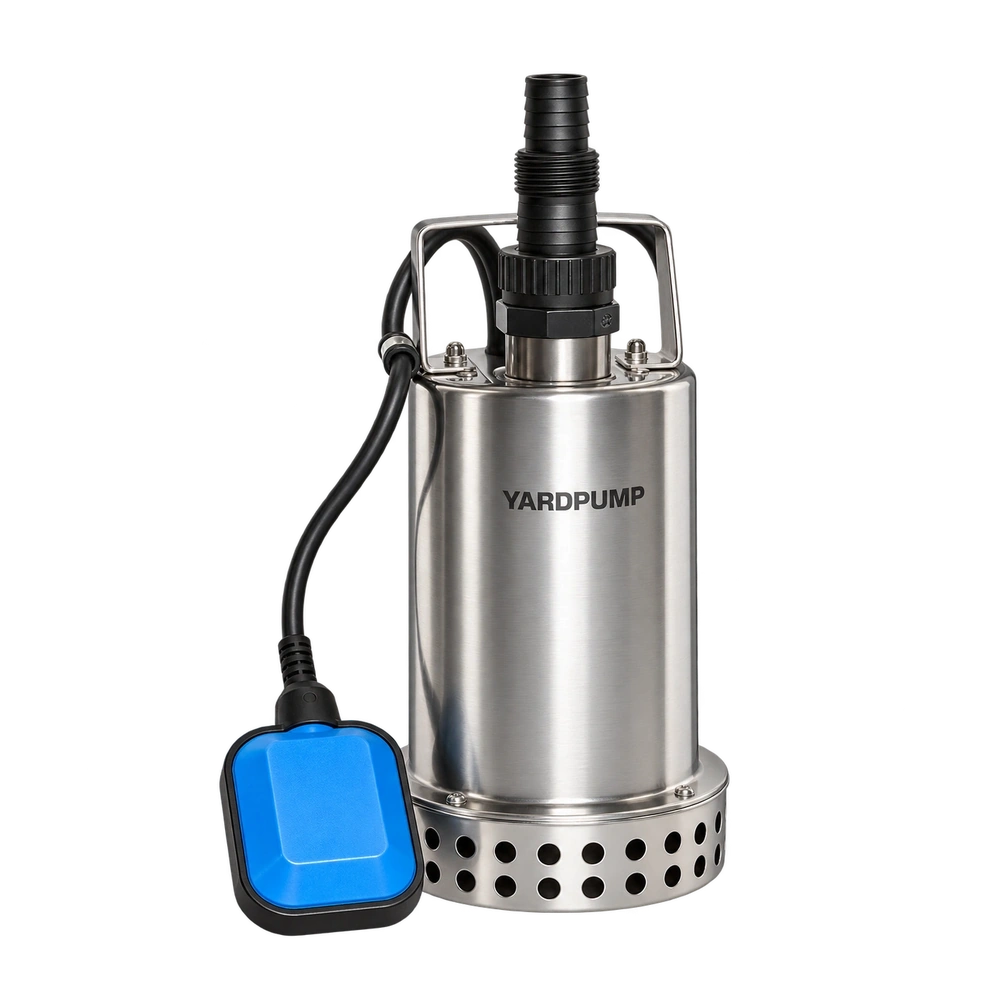
For a flood-recovery example, consider the following situation. After a flood, a basement contains deep standing water and a portable pump is available. Should the largest pump be used to empty it immediately? Not until the site has been assessed. Water retained in saturated ground can press against basement walls and beneath floors after surface flooding has receded. Rapidly removing the water inside can increase the pressure difference across the structure. Pump capacity and permission to draw down are separate decisions.
Why the water inside matters to the structure
Water pressure increases with depth. Floodwater inside can partially counter the external water load, even though it is causing other damage. Removing that internal water while outside pressure remains high changes the balance. Wet soil, wall condition, construction and floor resistance determine the consequences. A street looking dry does not measure groundwater beside the foundation.
For physical illustration only, a one-metre difference in water level corresponds to about 9.8 kilopascals of water-pressure difference at an elevation below both surfaces. That is approximately 9.8 kilonewtons over one square metre at that elevation. The full wall load varies with height and cannot be obtained by applying that one pressure uniformly over the entire wall. This calculation explains why water levels matter; it is not a structural design check or a safe drawdown limit.
Obtain clearance before setting a pumping schedule
Do not enter potentially energized floodwater or a building with suspected structural damage. Have electrical hazards addressed from a safe location by qualified personnel. A flooded distribution panel is not made usable by fitting a different pump plug. Fuel-driven equipment also needs a safe outdoor operating arrangement that prevents exhaust entering the building.
Local emergency guidance and an appropriately qualified building or restoration professional should determine access and the drawdown plan. Identify remaining external floodwater, evidence of wall or floor movement, the water source and a safe discharge destination. New cracks, bulging, movement or unusual structural sounds call for stopping and leaving the affected area under the emergency plan. Do not stay beside a suspect wall to complete a measurement.
Observe recovery between approved stages
Where staged pumping is authorized, use the specified reduction and observation period. Mark levels from a stable reference and record the time. Check whether water returns after pumping pauses and whether external conditions have changed. Rapid recovery may indicate continuing groundwater inflow; it does not establish that a larger pump should be run continuously.
| Handover item | Decision it supports |
|---|---|
| Outside water and ground condition | Whether drawdown may begin or continue |
| Inside level before and after a stage | Whether the approved reduction was followed |
| Recovery during a pause | Whether water is still replenishing the basement |
| Structural observations | Whether access and work need reassessment |
| Actual discharge route | Whether removed water can return or create another hazard |
A generic daily pumping depth is unsuitable for every building. Do not turn an example schedule from another property into permission for this one. A fixed installation designed to control normal groundwater may have a different operating purpose from emergency recovery of a deeply flooded basement. Keep its professional operating instructions in force rather than applying emergency pump-out advice indiscriminately.
Size the pump after the permitted task is known
Once pumping is cleared, determine the liquid condition, permitted rate, working head, intake requirements and supervision. Bulk floodwater may contain sediment or contamination beyond the limits of a small drainage pump. Low-level clean-water equipment may become useful later only if the remaining liquid is suitable. More wattage does not authorize faster drawdown or make an unsuitable liquid acceptable.
As a scheduling example, an approved stage removes 1 cubic metre. A verified delivery of 40 litres per minute would move that volume in approximately 25 minutes, excluding incoming water and interruptions. This is a volume calculation, not a recommended stage or rate. Follow the approved pauses even if the pump could finish sooner. The useful result is controlled recovery without creating a new structural or electrical hazard, followed by the required cleaning and drying work.
Frequently asked questions
Can I begin as soon as the road outside is dry?
Surface recession alone does not establish the groundwater level at the foundation. Obtain the site assessment and follow local recovery guidance.
Will a smaller pump automatically make the process safe?
No. Even slow continuous pumping can create an unsuitable level difference. The authorized drawdown and observation plan controls the operation.
Does this mean a normal automatic sump pump should be switched off?
No general instruction applies. A designed groundwater-control system has its own operating requirements. Ask the responsible professional before changing it during a flood.