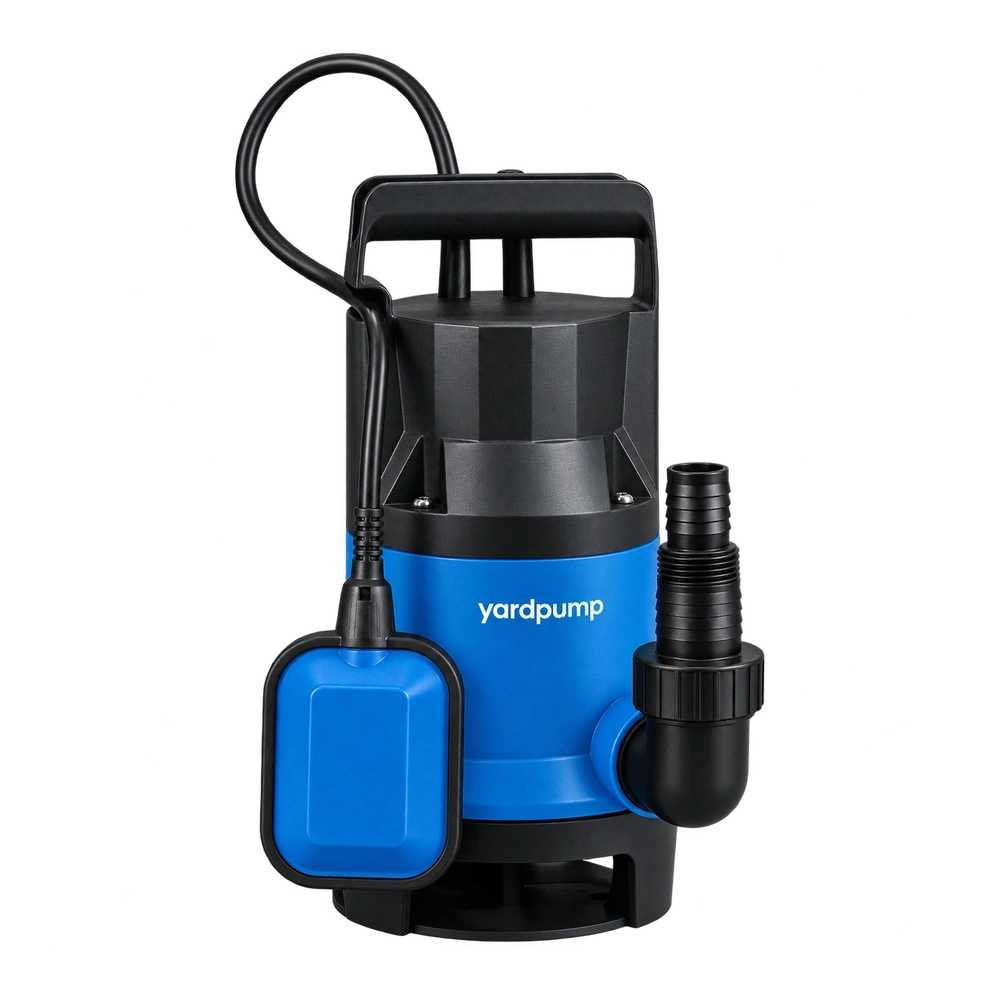
In a typical garden arrangement, a clear-water submersible pump runs on one timer while irrigation valves run on another. The last sprinkler stops, but the pump can still be heard at the tank. Check when the last valve actually closes and when the pump receives its stop command. If every path is closed while the pump is still being asked to run, the pump may be operating without useful delivery. A documented bypass, pressure tank or demand controller can change the result. Two displays showing the same watering window are not proof that the devices start and stop together.
A minute on the display is not a sequence
The controller records the time it issues a command. A valve still has to open or seal, the line has to establish flow, and a pump relay or controller may introduce a delay. Independent clocks can recover differently after an outage. A manual stop on the irrigation timer may leave the pump timer running. The gap may also be hidden between zones, when the next valve has not opened by the time the preceding one closes.
With the discharge closed, a running centrifugal pump moves toward its shutoff head. The pressure the system sees also depends on the controls, transient behaviour and the actual pump. The impeller can still churn water internally while much less heat is carried away by the normal delivery stream. Whether any closed discharge operation is allowed, and for how long, must come from the pump and system documentation. There is no safe universal allowance. A design with an approved minimum-flow bypass or demand shutdown must be checked against its own conditions.
Record three events on a single timeline
During an ordinary watering program, observe when delivery becomes steady, when the active zone actually stops flowing and when the pump's run command drops. Read a fitted gauge or controller from a dry, safe position. Do not open an electrical enclosure, touch wet connections or close a live discharge just to reproduce the symptom. A brief noise after watering can also come from a valve or water in the pipe. If pump state is unclear, have a qualified installer establish it using the appropriate controls and instruments.
Watch the first zone start, a change between zones and the last zone stop. Then check documented pause, skip or power-recovery behaviour if those modes will be used. Record the pump and valve states, and whether an approved protection function responds as expected. A thermal trip is not a routine way to end irrigation. Watching only the first sprinkler come on can miss the problem that occurs every night at shutdown.
A 25-second overlap
For illustration, suppose the final valve actually seals at 6:09:55 and the pump command is removed at 6:10:20. If no other path is open, the system has 25 seconds of commanded operation with the outlet closed. Another gap can occur if the next zone opens only after the preceding valve closes. A written timeline tells the installer whether to examine zone delays, the pump-start output or the shutdown interlock. Moving both timers by a minute without observing the order does not establish a fix. These times illustrate the method; they are not limits for any pump.
Decide how this installation is meant to stop
For scheduled zones, ask about a controller and properly rated pump relay with documented sequencing. For a demand-controlled system, check the pressure controller's minimum flow, restart behaviour and check-valve arrangement. Electrical changes belong with a qualified installer; the low-voltage valve output is not a motor supply. Also keep the hydraulic question in view. Correct sequencing does not add pressure to a drainage pump that cannot meet the sprinkler duty point, and clean-water suitability still has to match the source.
Frequently asked questions
Does pressure remaining after the sprinklers stop mean the pump is on?
Not necessarily. A check valve or pressure tank can hold pressure after shutdown. Check the control state and water delivery as well.
Is synchronizing the two clocks enough?
Only a real cycle verifies the sequence. Valve travel, zone gaps and power recovery can still make the devices act at different times.
What if there is just one zone?
Check the first opening and final closure anyway. A single zone can still close before the pump stops.