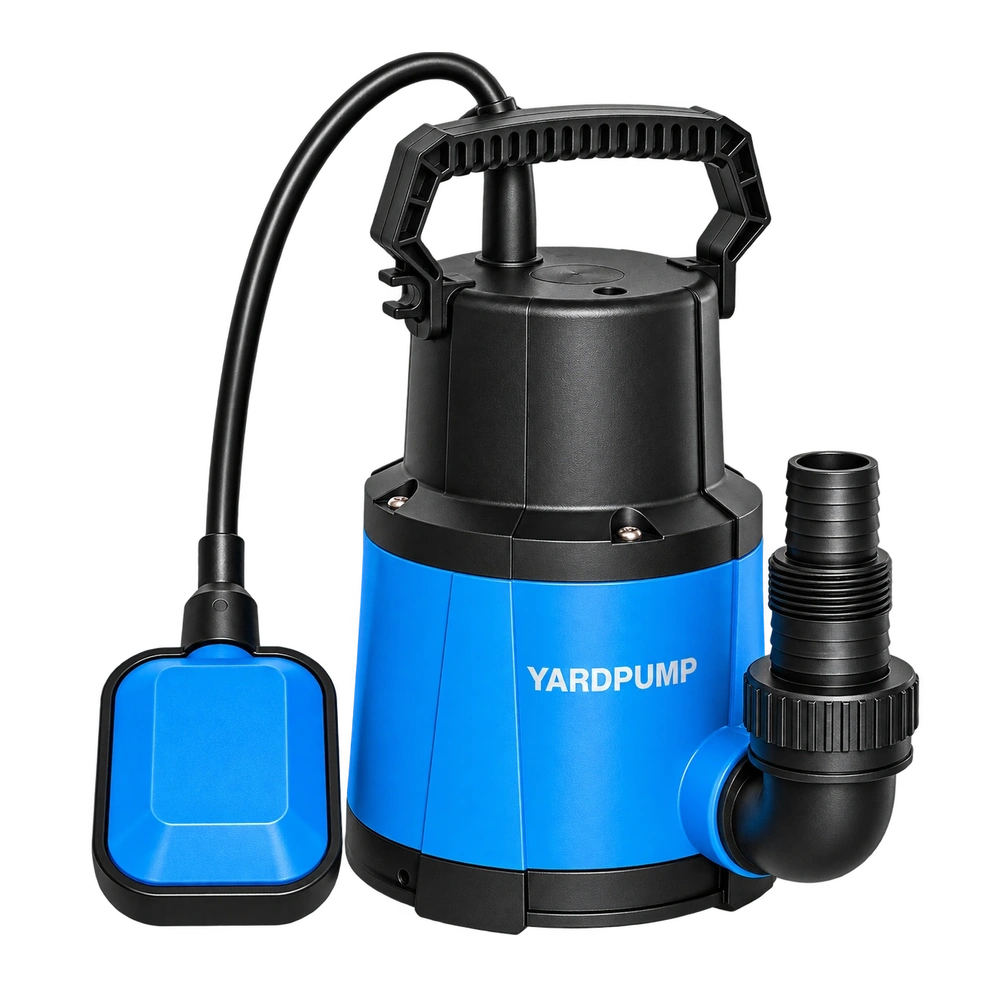
In an illustrative garden pond, water sits at its usual mark. A pump inside the skimmer starts normally, then begins to draw air as the chamber drops. The main pond barely changes. Start by measuring the difference between the pond level and the pump chamber under flow. The pump can empty its small chamber faster than water crosses the skimmer entrance or a clogged basket. Raising the whole pond or replacing the pump without finding that restriction may hide the fault for a few minutes and leave it in place.
Two water surfaces tell you more than one
A floating weir directs a shallow layer of surface water into the skimmer. A basket or screen catches debris. There must be a level difference to drive water through these openings while the pump is running. A partly jammed weir, a lid or leaf mat blocking movement, a loaded basket, or a pump with more flow than the intake was designed to admit can make that difference large. Some designs have distinct spaces ahead of and behind the basket. If they are visible from a safe access point, a large drop across the basket helps locate the restriction more precisely than measuring only the pond and sump.
At rest, two spaces connected by an open path can slowly equalize. That can make the system look normal during inspection. For a design with a weir that can shut or a path that drains elsewhere, the levels at rest may behave differently; check the actual arrangement. Compare records at startup, after steady operation, and immediately before the low-level control stops the pump. The change during operation is what you need to explain.
Put a time limit on falling water
For an example, assume the chamber has 36 litres of usable volume from its normal running level down to the protective stop. If the pump moves 54 litres per minute while the restricted path admits only 42, the deficit is 12 litres per minute. With constant rates, the reserve would last about three minutes. In a real skimmer both flows can change as the chamber falls, so use the arithmetic to explain a brief delay rather than to set a protection point. The start can look fine because water already in the chamber gives the pump a temporary reserve.
Keep the protection level above the pump’s permitted intake and cooling limit, with enough reserve for the control to act. A float that moves freely in a wide well may hit the basket, wall or cable in a narrow chamber. Do not let the low-level switch reach a lower position just to avoid interruptions. Check stop and restart behavior after an approved cleaning with the guard and basket installed, not while debris can pass straight into the pump.
Compare clean and representative operating conditions
After safe electrical isolation, inspect the weir’s travel, debris screen, basket seating and the inlet opening. Take pictures of where debris accumulated before clearing it. Restore the unit as specified. From outside the wet area, observe levels under a clean condition and, if the installation owner has an approved method, with representative debris loading. A repeatable, smaller drop after basket cleaning points toward screen restriction. If the basket is clear yet the upstream level barely wets the weir, look at the pond’s normal water level range, weir travel and entry geometry. If both are correct and the chamber still falls rapidly, compare the pump’s installed flow with the skimmer’s recommended flow range.
In a fish pond, preserve the separate filtration and aeration needed by the animals while servicing the skimmer. A lower pump speed or smaller pump can reduce chamber drawdown if it also serves the required system duty. Bypassing the basket sacrifices debris protection and can move the fault to the impeller. Access, a clean water path and a verified stop level give the operator a system that remains serviceable as the pond changes through the season.
Frequently asked questions
Can I judge the chamber when the pump is off?
Only as a baseline. Many restrictions become obvious only under flow, so compare the pond and chamber at the same instant during normal operation.
Why does it fail after windy days?
Leaves or floating debris may limit weir movement or basket area. Record where the material collects and compare the level difference before and after an approved clean.
Would a deeper chamber fix it?
Extra reserve can delay a stop. A sustained shortfall between admitted flow and pumped flow still has to be corrected.