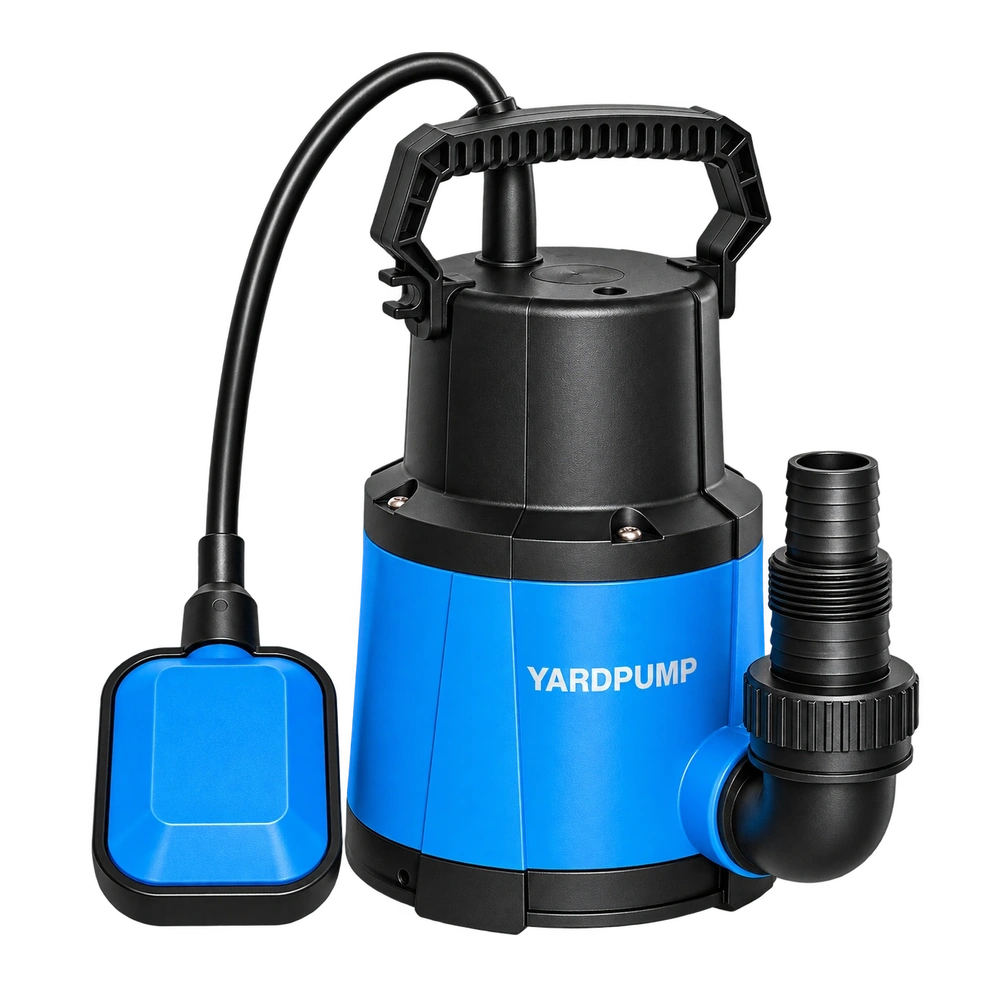
Consider an example in which the sound seems to come from the wrong place. A low-level pump is clearing clean water at a doorway. The pump does not touch a wall, but there is a persistent hum indoors. It is loudest where the full discharge hose crosses the floor, not at the pump. Check that contact first. Flow, line pressure changes and pump vibration can move the hose. A water-filled hose pressing against a hard surface can carry a small vibration into a much larger surface. A louder room does not automatically mean a motor or impeller fault, provided there are no other warning signs.
Find the patch of floor that is doing the talking
From a safe, dry position, note where the noise is loudest, when it starts and whether delivery remains steady. A hose may tap repeatedly against an edge. It may simply rest against the finish and transmit a steadier vibration to the floor, which radiates sound like a panel. Separate a transient during initial filling from a sound that continues at steady delivery. A single knock when the pump stops points to the shutdown event, valve and pipe movement rather than this specific steady contact symptom.
Take a hypothetical comparison at the same water level and outlet elevation. Both measurements give about 24 litres per minute. With the hose pressed against a spot near a skirting board, there is a steady tone in the next room. With the hose on an approved smooth, supported route, the room becomes quieter; flow and sound next to the pump change little. That supports a transmission path through the floor. The numbers are not a model rating, and steady flow would not make severe vibration acceptable.
Keep the bend and the contact from changing together
Stop, isolate power and relieve line pressure under the instructions before changing the route. Do not hold a running hose down with a hand or foot or move an energised pump. Use support allowed for the installation. The hose should not pull on the pump outlet, develop a sharp bend or create a trip hazard. Mark the old contact, length, outlet position and water level. After the change, check that the outlet was not raised, the support has not flattened the hose and the pump has not been pulled off its stable footing. If moving the contact also removes a kink, there are two changes. A quieter run would not prove which made the difference.
Compare the sound at each location and the stable delivered flow. If the floor location improves while delivery stays similar, retain the safe routing change and monitor it. If flow drops suddenly, the pump scrapes, the hose bulges or leaks, or protection operates, stop and refer the equipment to qualified service. Do not try to muffle those symptoms with padding. A phone recording can help identify the location. Automatic gain makes recordings unreliable for direct decibel comparisons, so include a photo of the actual contact as well.
Finish with a quiet route that is still safe
For temporary work, support a smooth hose route clear of sharp edges and foot traffic. A permanent installation calls for compatible supports and fittings with maintenance access. Do not trade a quieter room for an obstruction in the walkway. If the site will not allow a suitable orientation or support, check the specific installation instructions and actual duty before choosing a different layout. Give service staff a sketch of where the hose touches and where the sound is strongest. That gives them a better starting point than a recording labelled noisy pump.
Keep a short recording before and after pump operation. If the room still hums with the pump off, check other sound sources before assigning causation.
Frequently asked questions
Can the floor still hum if the hose clears the wall?
Yes. The hose can transmit vibration through the floor, a threshold or another support.
Can I place soft foam under a low-level pump to silence it?
Do not put unapproved padding beneath the intake. It can restrict water, destabilise the base or change residual depth.
Can steady output clear a sharp scraping sound?
No. New scraping, severe movement or an electrical warning needs isolation and qualified investigation.