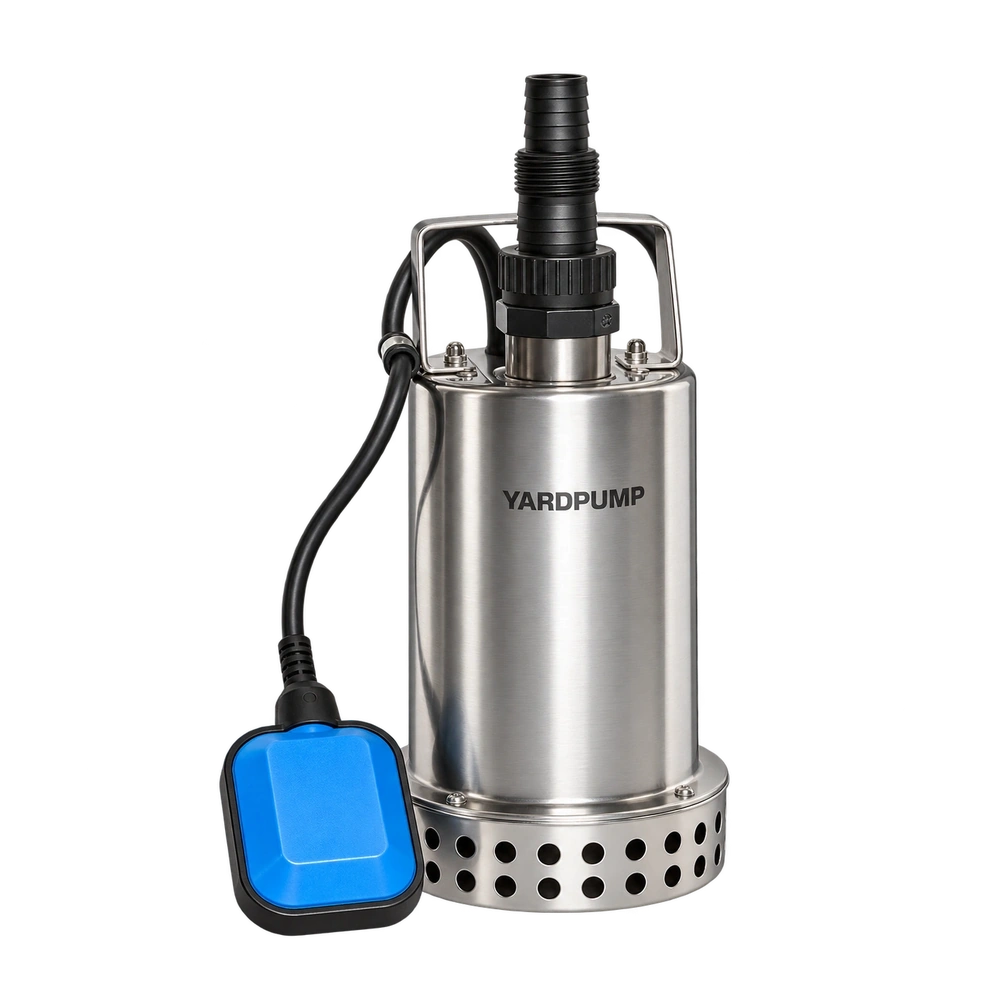
The hose from a portable pump kit stops at the first barb. It looks close enough to go on if it is heated or driven harder, but this is the point to stop and identify the parts. The printed size of a pump outlet may describe a thread, while the hose must match the tail that actually enters it. Start with the approved pairing and assembly instructions. Do not use open flame, uncontrolled heating or an improvised lubricant to force a match.
Confirm what the numbers describe
Find the pump outlet connection in the drawing, the adapter part number and the hose’s actual inside diameter and type. Record the step on a stepped tail you are trying to use. A thread designation, the largest crest diameter of the barb and the bore of the hose are three different measurements. Even a correctly matched barb may be deliberately larger than the hose bore at its crest. The amount of interference and the permissible assembly method depend on the materials, wall construction and fitting profile. There is no reliable universal allowance.
Disconnect the pump safely and take the hose and adapter to a dry bench. Let cold components reach the normal assembly conditions specified for them. Inspect the end of the hose for an oval shape, crushed reinforcing wire, burrs from trimming, or a folded inner layer. Measure across two directions at an undamaged end without squeezing the walls out of shape. Where an internal liner is present, confirm the usable bore, not the outer jacket. Measure the adapter crest and where the hose should stop, and compare with a known correct combination or drawing.
A stiff hose can still be the right size. When a hose is too small even at its normal assembly temperature, or the reinforcement physically blocks the specified insertion, the correct action is to obtain the matching hose or fitting. Heating to get several millimetres of extra stretch does not establish that the connection will retain its grip at operating temperature or under pressure. Some systems have an allowed assembly fluid or procedure. Use it only for the named pair; a procedure for one fitting family is not permission to apply it to an unrelated one.
Check insertion before counting on the clamp
For an illustrative comparison, suppose the job sheet specifies a 25 mm bore reinforced hose with a tail approved for that construction. The delivered hose measures close to 19 mm at both axes and stalls at the first ridge. Its outside diameter may look plausible, but it is not the specified hose. Compare its carton and reel identification before blaming the adapter. Conversely, a correctly identified 25 mm hose that fits the reference tail but not the delivered one points to a part mix or a dimensional problem at the tail.
A clamp generally belongs over a supported region shown by the fitting maker. It cannot make a partly inserted connection into a properly seated one. It may appear tight around the first ridge while the hose is free to twist or pull off farther back. Check the insertion witness mark or designated stop and the specified clamp style and location. Avoid filing crests, splitting the hose end, trimming reinforcement or substituting another clamp system to get the parts on.
Verify the assembled kit on the job
Once the correct set is assembled, support the hose so its weight or first bend does not twist the outlet. If a wet verification is called for, follow the manufacturer’s procedure with the expected lift and a safely contained outlet; keep people away from the line and stop if any movement, spray or loss of flow is seen. Disconnect and relieve pressure before adjustment. For kit purchasing, put the hose bore and construction, adapter revision, assembly method and clamp position on one drawing or parts sheet. Test a carton as delivered, not only the known good shop hose.
Frequently asked questions
Does a tail that goes in easily always fit?
No. Easy insertion may also mean the bore is too large or the wrong tail step has been selected. Match the specified combination and verify retention.
Can I cut a stepped tail back to fit another size?
Only if its instructions designate the exact cut point and allow it for the installation. A cut changes the bore and may affect the supported clamp length.
Can the supplier approve the fit from a photo alone?
A photo can identify the part family. Supply markings, measured bore, reinforcement and a side view of the unassembled tail to decide which combination is actually present.