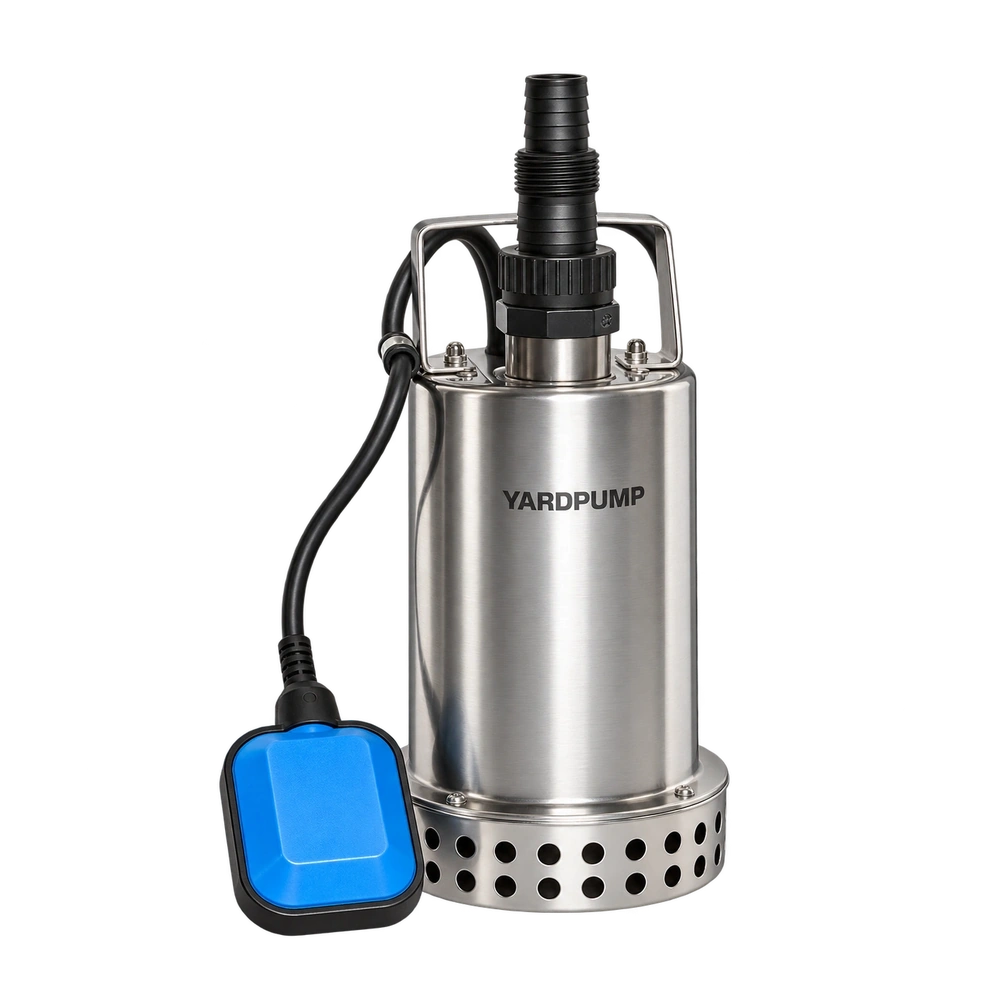
Imagine a clean-water pump that waters the garden well through an open hose. Connect the same pump to a timed irrigation valve and you hear a click, but nothing useful reaches the sprinklers. Find out what actually opens the valve. In many pilot-operated diaphragm designs, the solenoid opens a small control passage. The available water pressure difference then moves the main diaphragm. Hearing the coil operate tells you little about whether the water pressure conditions needed to open the larger passage were met.
Check opening and delivery as separate conditions
The first question is what is available just as the timer calls for the valve to open. Some makers specify a minimum inlet pressure, some specify a minimum differential, and some describe both. Read the data for the actual valve. Upstream pressure on a gauge is not necessarily the pressure difference across the valve, especially if the downstream line stays pressurized between cycles.
The second question is what happens after the valve has opened. At the actual zone flow, deduct the valve’s pressure drop and the other pipe, filter and elevation losses between it and the emitters. The remainder must be enough for the sprinkler or drip equipment. A valve that opens on command cannot make up for a pump with insufficient head at that flow. Equally, a pump capable of sustaining the zone may be paired with a valve or start sequence that never lets that flow develop.
A correctly selected direct-acting valve or motorized ball valve can be a better option in some low-pressure systems. Check its flow capacity, pressure drop, failure position and permitted service. Where the tank can feed the network by gravity after shutdown, make sure the replacement arrangement can also stop unwanted delivery. A small pilot passage may be susceptible to debris, so inspect the filtration as part of the valve diagnosis.
Run a comparison at the lowest usable tank level
Have the installer read upstream and downstream pressure at appropriate points using gauges matched to the expected range. Record the zone flow, tank water surface and timer command. Keep the hose, filter and emitters the same, then compare a full tank with the lowest level at which the pump is allowed to operate. Check the valve’s arrow, accessible pilot and filter as its instructions allow. Electrical diagnosis belongs with a qualified person in a safe work area. Keep the controls in service and follow the pump’s instructions on closed-outlet operation. Use the specified method for a pressure check.
Here is an illustrative pressure budget. At 12 litres per minute, a valve loses 0.10 bar, the other pipe and elevation losses total 0.20 bar, and the emitters need at least 0.45 bar. At 0.62 bar upstream of the valve, only about 0.32 bar remains at the emitters. Changing to a valve that opens earlier might cure the start failure; it does not necessarily make the sprinklers deliver. Conversely, even an adequate running pressure does not establish that a valve can open against retained downstream pressure after shutdown. None of these figures is a component rating.
Ask suppliers to confirm both jobs
State a lowest usable source level, valve opening condition and start sequence. Then state the required running flow and pressure at the delivery end. Request the curve for the pump variant and the loss data for the valve. The answers may point to a lower-pressure valve, a smaller active zone, a less restrictive route, or a different supply design. A clean-water submersible pump only belongs on the shortlist if the water and operating levels suit that model. Maximum head is an endpoint on the performance curve and does not supply your entire pressure budget at useful flow.
For a site with several zones, have the installer compare one approved valve at a time. If the farthest zone starts but loses pressure while watering, record that separately from a near zone that never opens. Those results lead to different changes in a quote.
Frequently asked questions
Does a click prove the solenoid is getting the right voltage?
It indicates some movement. It does not establish full travel, correct supply under load or whether water can pass. Check each of those conditions separately.
Could a shorter, wider hose fix this?
It can reduce losses while water is flowing. It cannot create the missing pressure if the pump curve falls short even with an appropriate route.
Will two zones work the same together as they do one at a time?
Usually the total flow and losses change, and the available pressure across each valve may change. Verify the combinations the controller can actually call for.