Imagine watering a line of nursery pots with a long wand supplied from a rain barrel. The operator squeezes the trigger for a few seconds, releases it to move to the next pot, and repeats. The water used during the shift may look modest, yet the motor or controller can see dozens of separate demands. Choose for the flow and pressure at the open nozzle and for what happens when the trigger closes. Average water use over the shift describes neither condition well.
Treat the open and closed wand as different conditions
With the trigger open, the nozzle, hose, fittings and height above the supply determine the delivered flow. Measure at the wand in its normal setting. A bucket test with the wand removed may show what the hose can pass, but it does not reproduce watering. With the trigger closed, flow may approach zero. A compatible demand-controlled system might stop, another pump might continue running, and some controllers use a delay or a minimum flow threshold. A water-level float typically senses the supply level. Its presence does not mean it can respond to a closed wand.
Record a representative stretch of work: nozzle setting, delivered flow, opening and pause times, source water level and hose layout. Notice whether the first burst differs from steady flow and whether the pump starts on every pull or stays in one operating state. Observe an existing controller using its approved indicators and methods. Leave electrical testing and wiring changes to qualified personnel, with isolation when required.
Compare equipment against the watering rhythm
For illustration, an open wand passes six litres per minute. The worker opens it for five seconds per pot and pauses for seven seconds, doing 20 pots. Each pot receives about half a litre, or about ten litres total. If the motor starts at every trigger pull, that small volume still takes 20 starts. Dividing ten litres by the total elapsed time yields an average consumption figure. It does not show that the nozzle sees six litres per minute, and it does not establish that a motor can accept the start frequency.
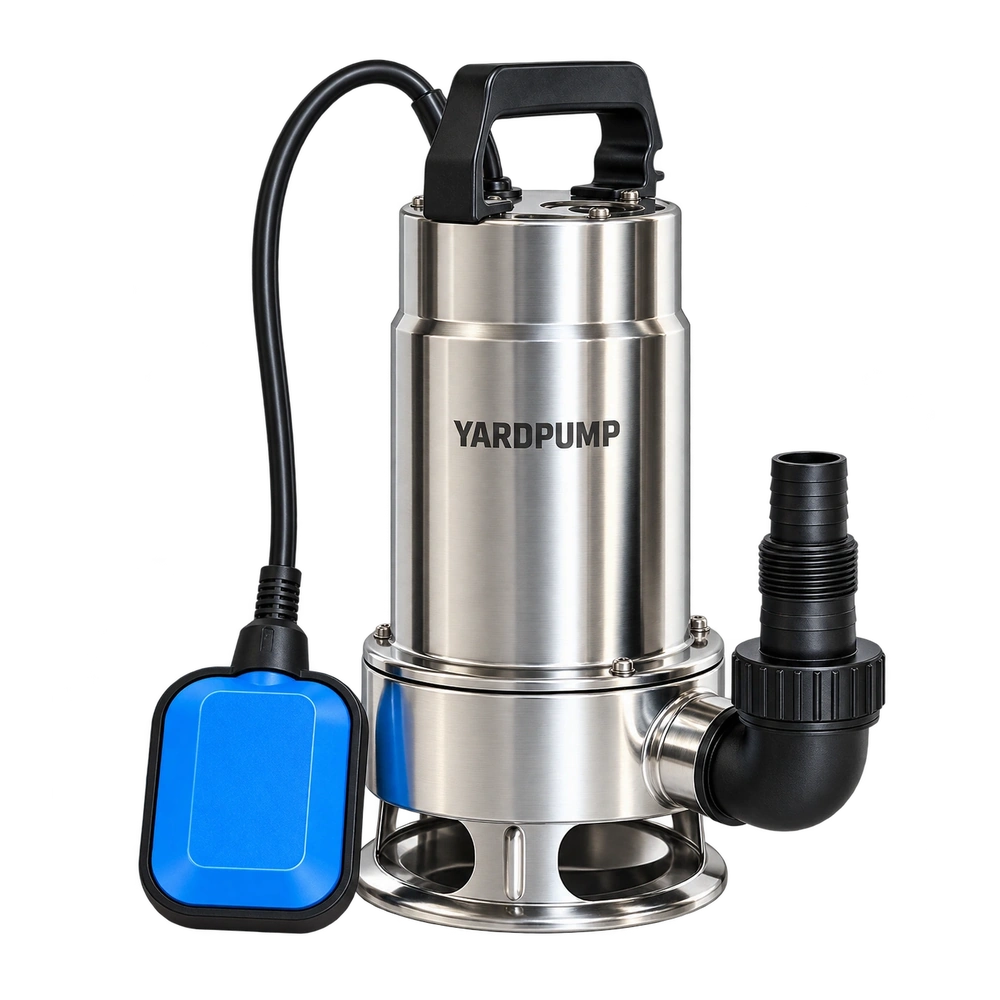
Where the equipment and horticultural process permit, a submersible pump can refill a vented, safely arranged container at a steadier rate, with an appropriate separate delivery method for the pots. In a small nursery it may be easier to fill measured watering cans in batches. If the trigger wand must run directly from a powered supply, ask the supplier to confirm the pump, controller and any pressure vessel as a matched configuration. Document permissible starts, the response to a closed outlet, low-level protection and the required pressure. A drainage pump with a hose connection is not automatically suitable for intermittent pressurised supply.
Trial the most difficult watering position
Start with the approved liquid and lowest expected source level. Use the longest hose and the highest or most remote wand location, then repeat the actual work rhythm. Compare water delivered to the first and last pots and check the equipment state after releasing the trigger. If seedlings require the gentle nozzle setting, increasing nozzle flow just to keep a controller satisfied changes the watering process rather than solving the selection problem. Stop the trial if the supply disappears, the pump appears to run out of water, or starts become unusually frequent; review the operating point and controls before repeating it.
For a handful of pots, measured hand watering can be more repeatable than a powered nozzle. On a larger route, the benefits of steady supply and suitable controls are worth testing. A useful selection sheet identifies what delivers the open-wand flow, what stops the pump on a closed wand, and what protects it when the barrel runs low.
Frequently asked questions
Will the float switch stop the pump when I release the trigger?
A water-level float normally responds to liquid level. A compatible demand control is a separate function, even if one product includes both.
Will a larger hose prevent rapid cycling?
It can reduce losses while water flows. It does not remove the closed-wand condition or establish the allowable starts.
Is a pressure tank always the right fix?
No. Use it only in an approved system, considering usable drawdown, control settings and pressure rating. It is not a universal accessory for a drainage pump.