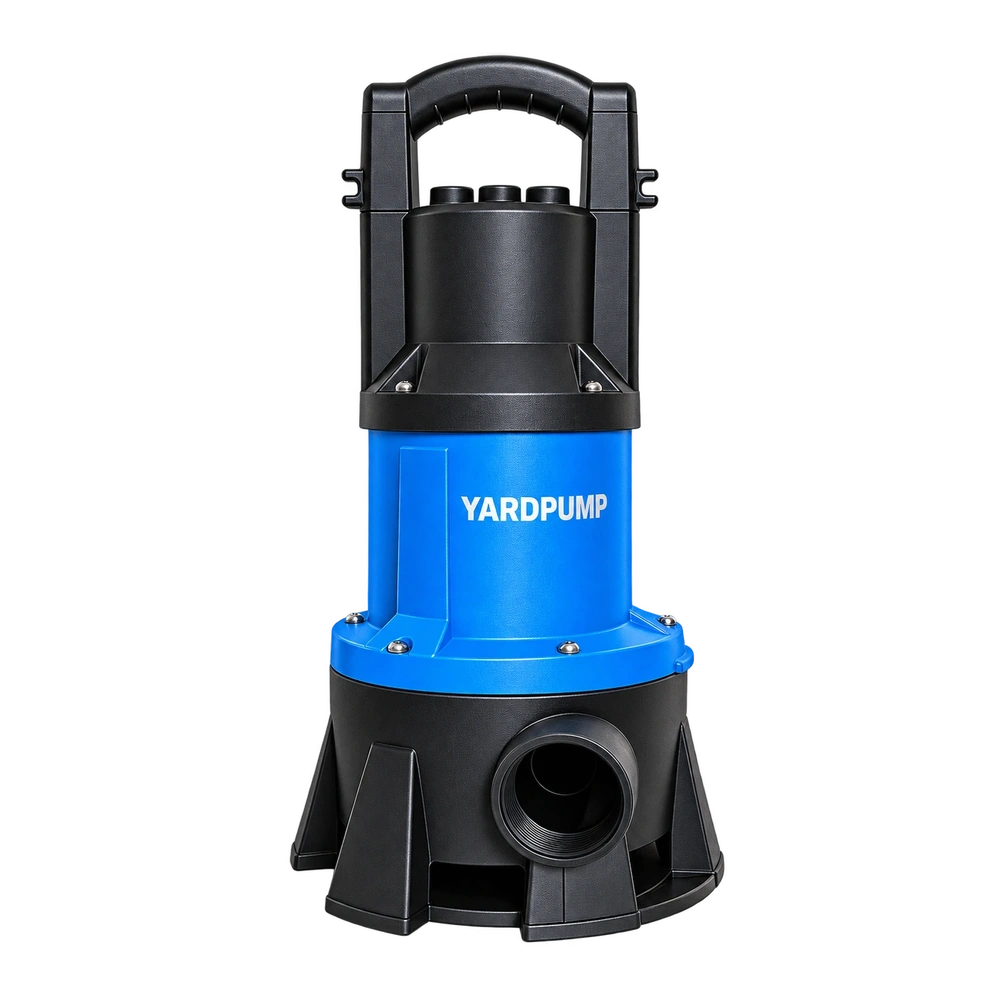
Warm wastewater from a washer or cleaning tank can reach a sump in short slugs. Select a pump using the temperature where it will actually run, the length and frequency of those slugs, and what else is dissolved in the water. Obtain the exact model's limits for that combination.
Follow the hottest part of the batch to the inlet
Warmer liquid changes motor cooling margin and can alter elastomer stiffness, lubricant behaviour and polymer strength. Detergent or chemical content introduces a separate compatibility question. Repeated hot batches may create thermal cycling even when each event is short.
A sump may dilute a warm discharge with cooler water, or the incoming stream can reach the pump before it mixes. A reading near the surface after the batch has ended may miss the peak. Log temperature where it represents what enters the pump. Include the time the pump starts, the time the hottest water arrives and how far the inlet remains submerged while pumping.
For example, a source discharge at 55°C may mix with cooler sump water before reaching the pump. The pump still must be assessed using the actual worst credible temperature and sequence, not this example value.
The same peak temperature can have a different effect when the pump performs several cycles close together. If a second batch arrives before the pump and sump have cooled, the starting temperature of the next cycle is already higher. Capture a sequence that represents the busiest normal schedule, including the first cycle of the day and the later cycles.
Ask for thermal and material limits together
Have the supplier give the allowed liquid temperature, immersion, duty and any stated limits on intermittent service for the exact variant. Name the cleaning product or wastewater constituents and their concentration if known. A casing material that tolerates a temperature can still be paired with a seal or cable entry that has different exposure limits. Materials near the wastewater and the motor’s cooling also have to work at the same time.
Do not infer warm-water suitability from IP rating, housing material or motor power. Those declarations answer different questions.
An overtemperature cutout may interrupt operation under certain faults or conditions. A reset after cooling does not validate the liquid or duty. Repeated stops during the hottest part of the batch are a service symptom to investigate with the unit isolated.
Decide between a different pump and a different process
Choose a pump whose released material and thermal limits cover the measured service, or cool and separate the discharge by an approved system design.
If the phase that exceeds the model's allowed range is concentrated in a short incoming slug, ask the site engineer whether a suitable buffer, cooldown step or separate discharge is allowed. Measure again with the actual arrangement. When the process cannot be changed, specify a pump approved for the measured extremes and keep a temperature and duty record for repeat orders.
Frequently asked questions
Is the temperature at the washer outlet the pump’s operating temperature?
Measure both when the water may mix or cool before it reaches the pump. Use a representative reading at pump level and consider any hot stream that travels straight to the intake.
Can I exceed a continuous temperature limit for a few minutes?
Only where the supplier specifies an intermittent rating covering that duration, cooling interval and configuration.
Does a plastic casing tell me which detergents the pump can handle?
Ask for compatibility of the complete wetted assembly, including seals and cable-entry materials, at the intended temperature and concentration.