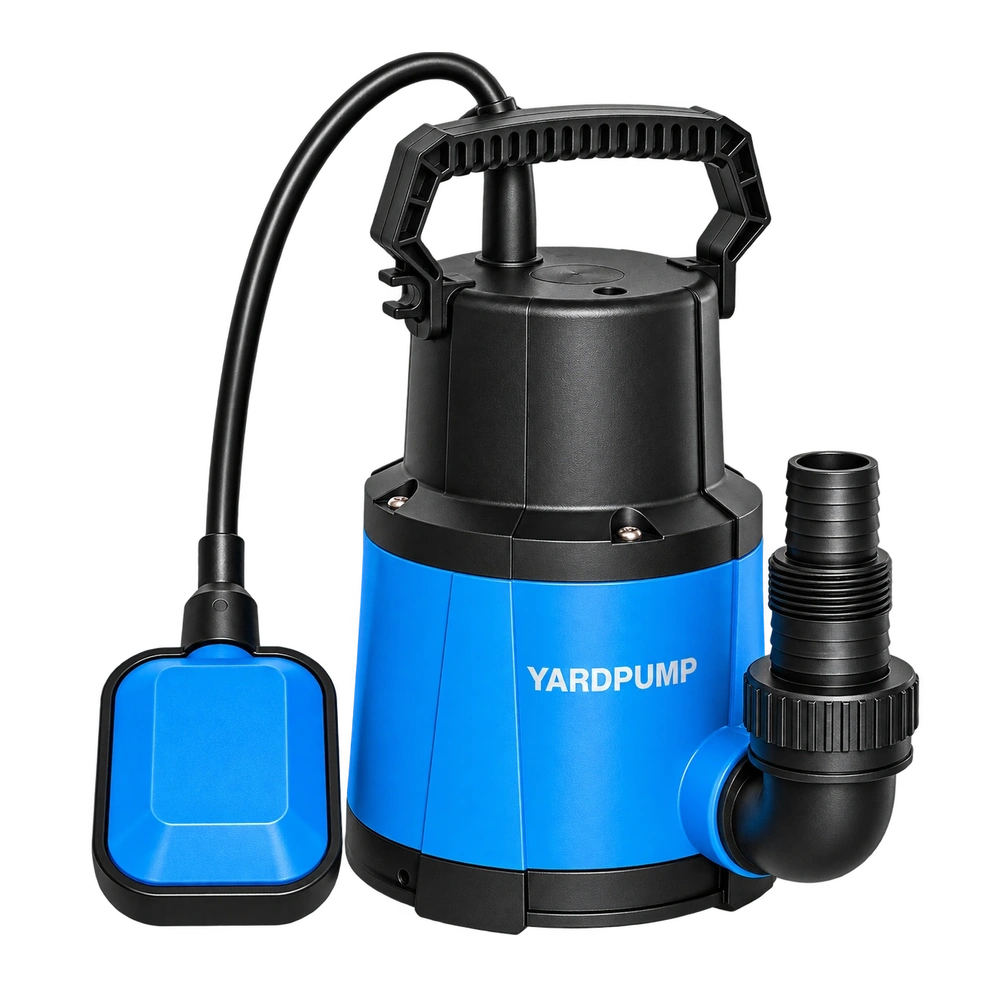
Suppose a surface pump used to draw rainwater from a barrel through a suction hose fitted with a screened foot valve. Now a small utility pump sits inside the barrel. Someone suggests attaching the old valve to its inlet. A submersible pump that takes water directly through its original submerged inlet does not normally need an added foot valve to hold a suction prime. Keep the inlet arrangement approved for the model. If water returns down the discharge hose after stopping, look at the discharge layout and any need for a check valve there.
What does the foot valve keep full?
In some surface centrifugal pump installations, the pump sits above the source. Water has to reach it through a suction line. A foot valve fitted at the submerged end lets water in and can help keep the suction line filled after the pump stops. Many have a screen as well. The screen keeps out debris; the moving valve prevents reverse flow when seated. A poor seal or air entering at a fitting can still cause a loss of prime. Whether a surface pump needs the valve, and what restriction it can accept, depends on the arrangement.
A portable submersible pump has a different inlet boundary. In normal use the inlet is already below the surface. There is no long suction hose lifting water to a pump above the barrel. An extra valve may add resistance, raise the effective intake or create another place for debris to lodge. That does not mean every submersible unit delivers as soon as it touches water. The approved starting depth, air in the pump and hose, and the rise to the outlet still matter.
Separate the inlet from the return path
Sketch the water surface, pump and both ends of the hose. Mark the normal flow direction. If the unit sits in the barrel and draws through its original screen, leave that arrangement in place unless the instructions specify an attachment. A valve meant for the end of a suction hose does not become an approved inlet fitting because threads appear to match. Do not drill a housing or remove the original guard to make a part fit. If the manufacturer supplies a dedicated assembly for the model, use it as instructed.
Next decide whether the problem occurs before delivery or after shutdown. For no initial delivery, check the actual starting depth, whether the intake is obstructed, the hose route and outlet height, and any approved air removal procedure. Avoid repeated starts or extended operation without water delivery. If water returns after stopping, look at the length and elevation of the discharge and where it releases the water. A discharge check valve can affect both the resistance and how much water stays in the line. There may also be an air release requirement. A suction foot valve is not a general substitute.
Observe the two symptoms separately
For illustration, start at a permitted depth with the approved inlet and a suitable discharge hose. Note when a sustained stream begins. After shutdown, observe from a safe position whether the barrel level rises again, whether water still moves at the remote outlet, and how long the event lasts. Good delivery followed by a rise in source level points toward checking where the returning water comes from. Failure to establish delivery at all calls for an inlet, hose and startup check. Stop if operation is abnormal. Isolate power and have any pressure safely relieved before opening the equipment or plumbing. Do not touch powered equipment in the water.
For a rainwater kit, record the source, how the pump draws water, the required starting depth and the final outlet. Ask the supplier to identify the purpose and position of the screen, discharge adapter and any optional valve. Those details will still make sense after a replacement and avoid fitting an old part solely because its name sounds familiar.
Frequently asked questions
Can the screen on the old foot valve replace the pump screen?
Do not decide from hole size alone. Another screen changes total open area, intake height and cleaning access. Keep the original unless the model instructions approve a substitute.
Does slow first delivery mean I need a foot valve?
Check starting depth, air in the pump, retained water in the hose and the actual lift. Water reaching the inlet does not by itself show that the air has escaped.
Does a discharge check valve guarantee the pump will not airlock?
No. Check the model and pipework instructions for both reverse flow and air release. Do not drill improvised vent holes.