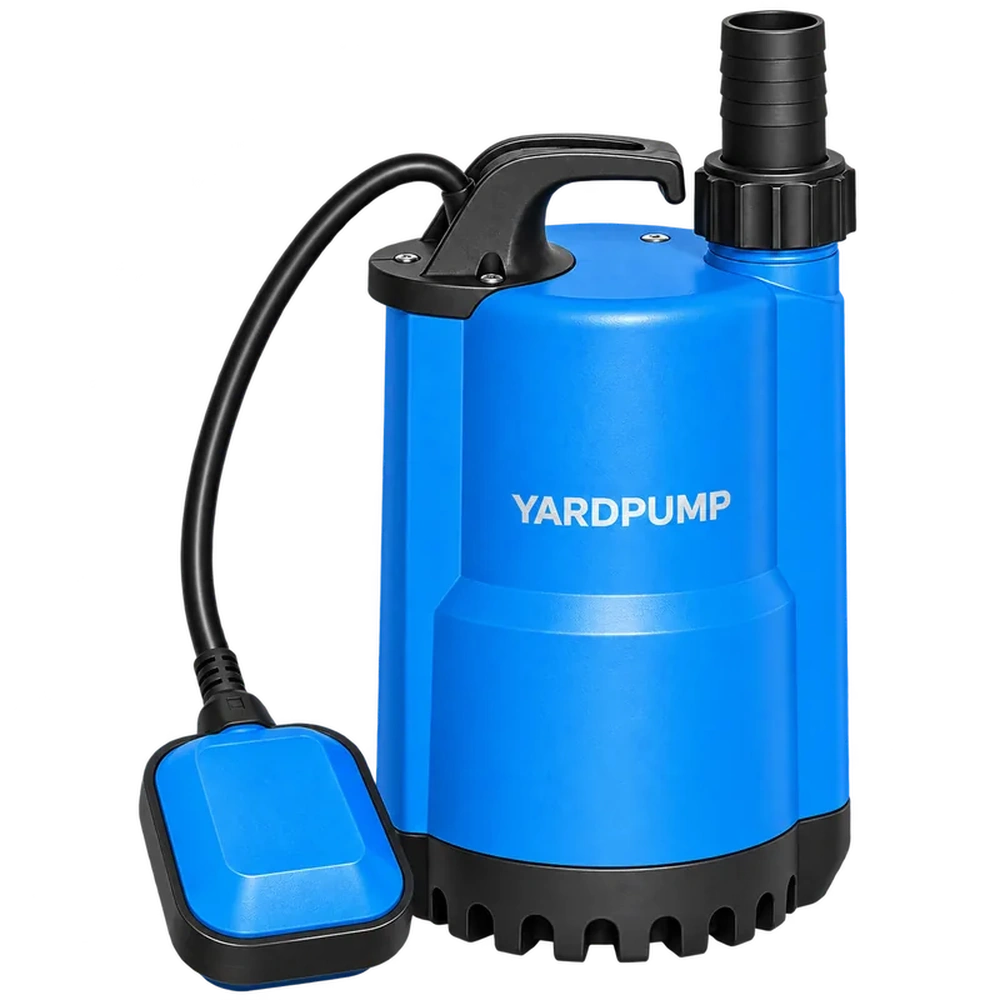
Imagine several dry days have passed, yet the basement sump pump still starts periodically. First establish whether water is actually refilling the pit. Ground and drainage systems can keep supplying water after rain ends. Pipe drainback, recirculation from the discharge point or an unexpected control action can also look like a pump running for no reason. Water level and outlet observations help decide which part needs inspection before anyone changes the float.
A dry day does not remove the sump’s job
A pit can collect groundwater, water from foundation drainage or delayed snowmelt. Soil and drains do not necessarily stop contributing when rain ends. Watering on a nearby property, ponded surface water or another connected system can also contribute. Trace the actual piping. A nearby appliance or unidentified pipe does not establish a connection. Have the appropriate personnel check an unknown liquid, possible sewage or a suspected supply leak. Do not open lines or add a tracer to a pit as a home test.
Real inflow can keep raising the level after the pump stops. If an inlet is visible from an approved location, note whether water arrives there. Drainback from a riser may fill part of the pit soon after a stop, then slow. Discharge that returns through the soil or at the surface can take longer to appear. A new start without a visible level rise can point to a control check, but first make sure the level and start records refer to the same time and location.
Put the water levels and starts on one timeline
From a dry, safe position, use an approved observation point or existing level record. Note a start, the level at shutdown, levels between runs and the next start. Also note recent rain or snowmelt, site water use and any visible change at the discharge. If there is high water, unusual sound or a protection trip, maintain drainage protection and arrange service instead of trying more runs. Have qualified staff isolate automatic supplies and control retained pressure before changing parts or pipework. Do not turn the pump off overnight to see how high the pit will fill.
As an illustration, a known level interval in a particular pit represents 12 L. If it refills in 12 minutes, the average net refill during that interval is about 1 L/min. If the level first jumps and then rises slowly, record the two stages separately. The fast part deserves a check for drainback; the slower one can help trace continuing inflow. These numbers illustrate the method. A tapered pit needs a suitable volume estimate, and net refill is not pump delivery.
Use the pattern to direct service
If cycling follows snowmelt, groundwater or a known normal drain, record it as background while verifying that the pump delivers and stops as intended. A sudden sustained increase with no clear weather explanation, recurring water near the discharge, or a suspected plumbing source merits inspection by the responsible drainage, plumbing or pump service staff. Starts without a corresponding water-level change call for a qualified check of sensing and controls. Compare the observed cycle frequency with the equipment and installation requirements. Changing the start level simply to reduce noise can reduce the margin to overflow.
Verify the actual discharge route and any high-water alarm independently. Explaining why water reaches the pit helps establish the load; it is not a reason to disable drainage.
Frequently asked questions
Does a cycle on a sunny day prove there is a plumbing leak?
No. Groundwater, snowmelt, nearby water use and drainback are all possible. Trace an observed source and its timing before assigning a cause.
Why does the level jump after stopping, then rise more slowly?
Record each part of the recovery. The fast rise warrants checking retained discharge water. It does not by itself identify a failed valve.
Can I raise the float to make the pump start less often?
It can change the cycle volume and the remaining space before overflow. Have the actual system assessed before changing the setting.