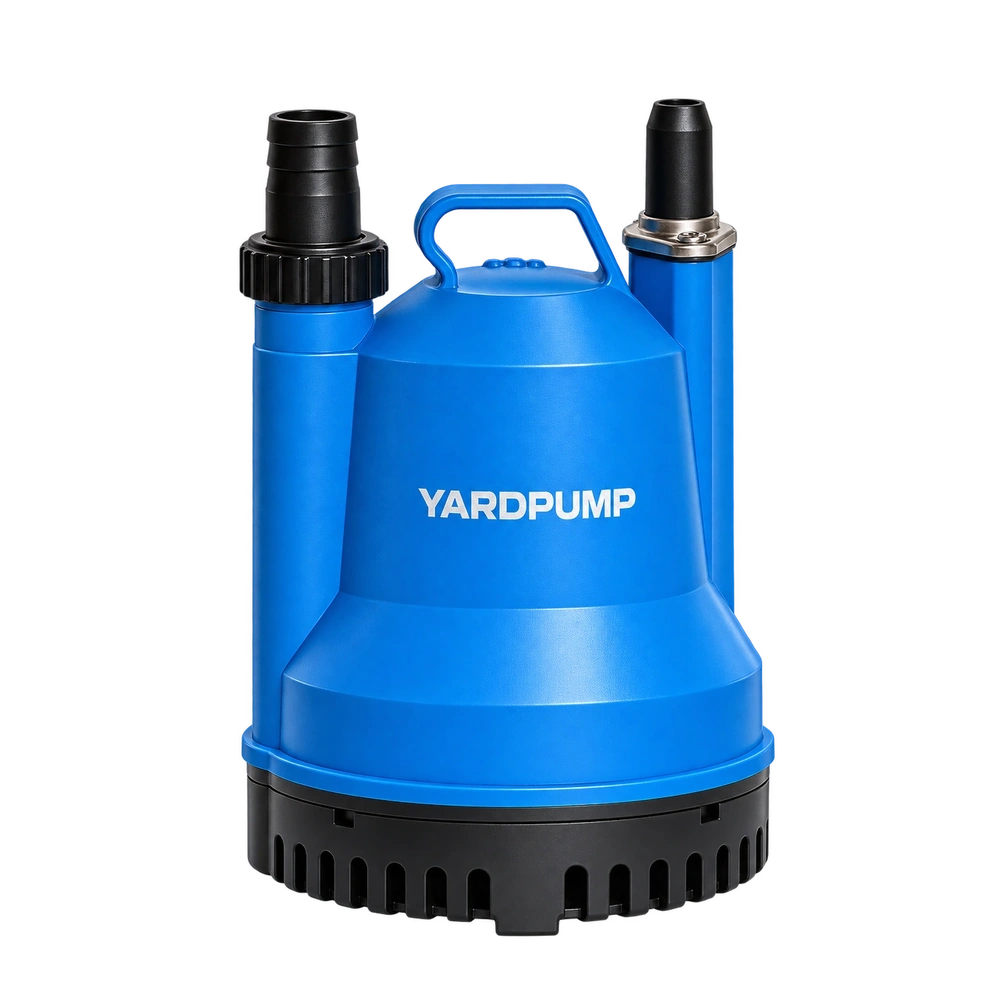
Imagine a sump pump running after rain, while only a small stream reaches the outside outlet. The intake screen looks clear. At the far end of the pipe sits a guard intended to keep out objects or protect the opening. A guard or the short section behind it can restrict flow if leaves, mud or ice cover the openings. Confirm the sump level, outlet behaviour and visible condition before deciding whether to service the pump.
The bore can be unchanged while the available area closes up
Some outlets have grilles, covers or screens. Water must leave through the openings that are still free. A wet leaf can cover several openings even though the pipe itself remains full size. Material can also lodge between a guard and pipe end where it is hard to see from the front. Ice may form farther up exposed plumbing or collect in a low section, so a clear-looking tip does not rule out a frozen line. A flooded receiving point, a pinched hose or a valve that fails to open can also reduce delivery. One photograph of a dirty guard is not enough to sort them out.
Record whether the pump keeps running, whether the basin level drops, and when the outside stream weakened. The pit can rise simply because inflow during rain exceeds the water actually delivered. Observe the accessible outside opening and ground from a dry, safe position. Do not enter the sump or cross floodwater to touch the equipment.
Keep the original observations and retest the restored outlet
Stop and isolate abnormal equipment under the site's procedure and arrange backup drainage where needed. Have any pressurised section safely depressurised. Photograph the outlet assembly and check whether you can see an obstruction, ice on the nearby line or water covering the end. Note the condition of any moving cover without manipulating live equipment. Where cleaning is an approved service operation, have suitable personnel remove the obstruction and restore the approved assembly. Do not probe an unknown blockage with a tool, loosen a pressurised fitting or keep the system running with a required guard removed. Refer outlets on public property or in inaccessible or icy locations to the responsible party.
When a controlled retest is permitted, keep the route, discharge height and starting water level comparable. For illustration, at similar source levels, a marked ten-litre vessel filled in around forty seconds before approved cleaning and around twenty seconds after the assembly was restored. That is roughly fifteen versus thirty litres per minute. It supports the observation that a restriction at the end mattered. It does not set the size required for every screen. Where collecting water is unsafe or impractical, record basin level and outlet behaviour while comparing similar incoming conditions.
Decide whether routine cleaning is enough
If leaves accumulate again during each rain, check whether the outlet hardware matches the exposure and can be maintained easily. Also check that water stays away from the sump once discharged. If cleaning the end does not restore flow, investigate low pipe sections, other valves and the pump itself. On a fixed system that protects property, have service staff verify warnings and backup drainage and choose approved outlet and cold-weather protection. An outlet that stays clear and retains its required protection is the goal.
If the end also has a moving flap, identify whether it simply keeps debris out or is intended to check reverse flow. The approved movement and service procedure depend on its actual function.
Frequently asked questions
Can I trim the guard to make the holes bigger?
Do not assume that a larger opening is the only requirement. Use approved outlet hardware that meets the system's protection, connection and drainage requirements.
Can I thaw the line with a flame or improvised heat?
Do not apply a flame or improvised heat to unknown components. Ask the service provider for a method suited to the material and site.
Should I keep photos if cleaning restores delivery?
Yes. Original obstruction, outlet layout and the retest condition matter when a similar symptom returns.