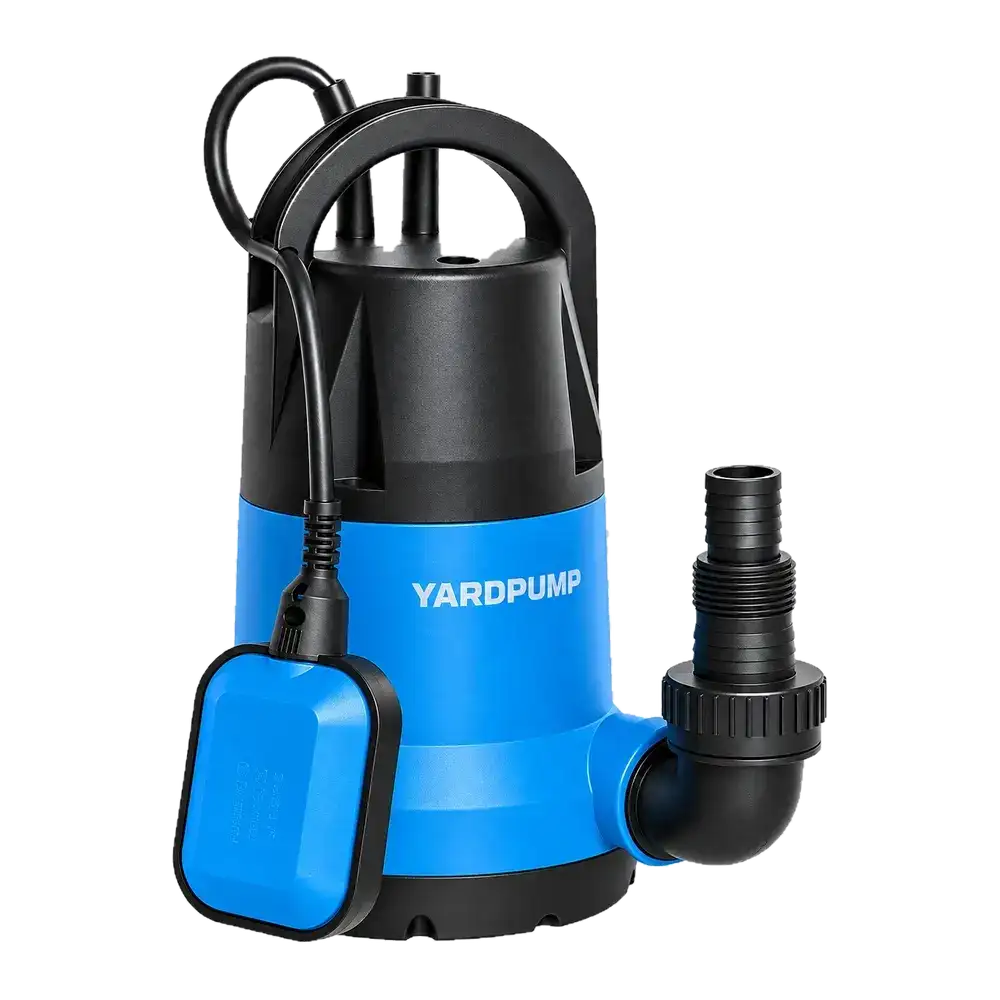
Suppose a sump pump sits near grit at the bottom of its basin. A compatible stand sounds like a sensible way to get the intake clear. It can also move the pump's switch closer to a high-water alarm, drain inlet or spill level. Before changing the height, put the basin floor, pump base, start, stop, alarm and lowest vulnerable level on one survey. Then confirm what actually moves in a normal wet cycle. The quoted height of the stand does not tell you all of that.
Work out which parts move with the pump
A stand approved for the assembly can offer a stable position away from bottom debris. A tether or integral switch mounted on the pump usually moves with the unit. An independent sensor fixed to the basin may stay at its existing level. Discharge weight, the lid and pipework can change the float's travel as well, so the real start and stop might not shift by exactly the new stand height. Raising the pump does not stop grit entering the pit or make the liquid suitable for a pump with more restrictive solids limits.
Check the instructions for the support, orientation, immersion and fixings. Loose masonry or scattered gravel should not be used to improvise an unstable stack. Check there is clearance around the float at both ends of its travel, across the inlet openings and under the lid. Make sure a pump cannot twist when its discharge hose fills. Some shallow-water pumps need the lowest permissible intake position for their intended job. Moving one up to avoid sediment may conflict with a job that requires a low residual level.
Calculate from one level mark
In an illustrative layout, the pump starts twenty centimetres above a fixed point on the basin floor, stops at ten and an independent alarm sits at thirty-eight. A stand adds eight centimetres. If the controls attached to the pump move up by that amount and nothing else changes, the start and stop will be about twenty-eight and eighteen centimetres. There were eighteen centimetres between start and alarm; there are now ten. These are example heights to show the effect, not model specifications. Check the lowest real inlet, vulnerable component and overflow point before deciding whether ten centimetres is acceptable in that layout.
In a straight-sided basin the difference between start and stop might still be ten centimetres, so the cycle volume may stay the same. In a tapered basin it can change even with the same height difference. Use a level-volume relationship if the change matters to cycling or available storage. More retained water after the stand goes in can be explained by the raised stop level without any loss of pumping capability. If water comes back through the outlet or returns from the discharge destination, investigate that separately.
Confirm both the operation and the service space
Before moving the unit, stop and isolate it from a dry location and deal with pressure in the discharge as directed. Have the installer check the stand and pipe support. In a permitted normal test with the lid in its usual state, observe the actual liquid level at start and stop and confirm the independent alarm separately. Mark water levels against the fixed datum. Do not defeat protection or flood an operating basin to the edge of overflow just to prove a number. For critical drainage, the responsible installer should arrange a controlled way to verify the settings without leaving the building unprotected.
Leave space to release a permitted union and retrieve the pump as the instructions require. A stand that clears the intake but prevents safe service is a poor fit. Take a sketch or photo showing which switch moves with the pump, which stays with the basin and where the next vulnerable elevation lies. That is the information the buyer or installer needs to approve the change.
Frequently asked questions
How high should a sump pump stand be?
There is no universal height. Use the approved equipment, observed debris, clearances and actual start and alarm levels.
Can I raise the alarm by the same amount to preserve the gap?
That might preserve the gap between two sensors but reduce the margin to overflow. Recheck all the levels, not just the two setpoints.
Does raising the pump reduce the head it needs?
The elevation difference between the source water surface and delivery point does not automatically become smaller when you raise the feet. Use the actual operating levels and discharge route.