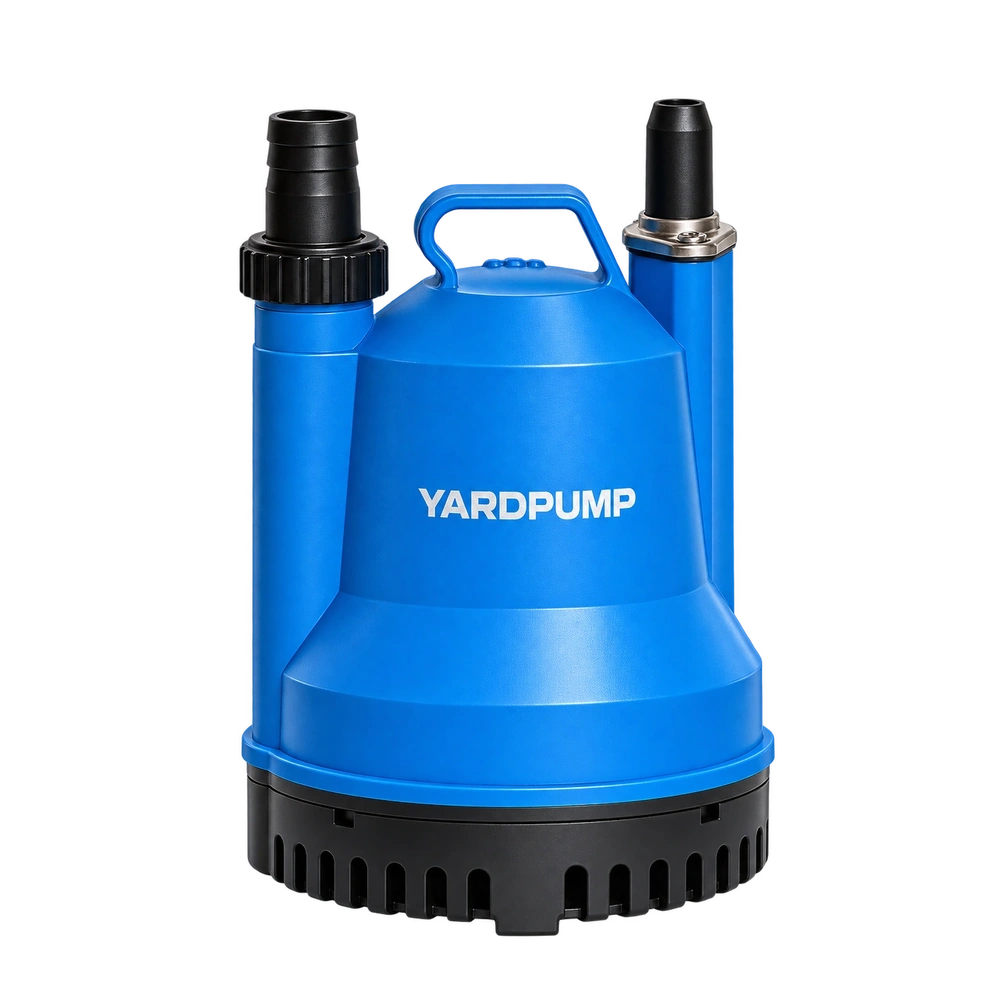
The following hypothetical cover-leak question is a useful starting point. “The plastic pump cover seeps. Should we tighten the screws a little more?” Increasing torque is not a universal leak remedy. Tightening torque is an assembly input; the joint needs suitable, evenly distributed clamp load that remains adequate in service. Excessive tightening can strip plastic threads, crack bosses or distort the cover. Isolate a used pump before qualified personnel investigate its leakage.
Why torque does not directly measure clamp load
Part of the applied torque overcomes thread and bearing-surface friction. Only part contributes to establishing preload. Friction changes with screw finish, lubrication, resin, hole dimensions and the assembly process. Equal tightening torque can therefore produce different clamping conditions in nominally similar joints.
A thread-forming screw driven directly into plastic also requires torque to create its thread. A peak during insertion does not necessarily mean the sealing faces have achieved the required load. A metal-insert arrangement has a different load path and cannot automatically use the same settings as a direct fastening into plastic.
This is why a torque value should belong to a validated joint and process, rather than become a generic specification copied across pump housings.
Time and temperature change the joint
Plastics may creep or relax under sustained loading and temperature exposure. The initial clamp condition may not remain unchanged through thermal cycling and extended immersion. Seal behaviour, cover stiffness and the positions of the fasteners also influence contact pressure.
That does not establish a general requirement for periodic retightening. Unapproved repeated tightening can damage threads or distort the housing. Confirm load retention and sealing endurance during design and process validation, then follow the manufacturer’s maintenance instructions.
Establish an appropriate assembly window
Design and process personnel should test actual screws, materials, holes and assembly conditions. Distinguish insertion, seating and failure behaviour, using clamp-force measurement or a validated alternative where appropriate. The operating window needs margin against both inadequate clamping and damage such as stripping, cracking or excessive seal compression.
| Condition | Possible observation | Investigation |
|---|---|---|
| Incomplete seating | Face gap or uneven seal contact | Hole depth, contamination, screw length and sequence |
| Excessive tightening | Stripped threads, whitening or cracked bosses | Material, hole geometry, tool and process window |
| Adequate initially, weaker after exposure | Changed clamping or leakage after thermal cycling | Stiffness, load path and long-term retention |
| Uneven load around the cover | Distortion or leakage concentrated on one side | Tightening sequence and load distribution |
No universal newton-metre setting covers every pump. Changes to the housing, resin or fastener require an assessment of whether the approved process remains valid.
Production control extends beyond tool calibration
Calibrating the tightening tool is necessary, but the process must also control speed, program, bit condition, screw batch and actual hole quality. A multi-screw sealing cover needs a defined sequence and, where validated, staged tightening. Pulling one side fully down before engaging the other can distort the assembly.
Record abnormal operations and rework attempts. A stripped hole cannot be restored by applying greater torque. An unapproved larger screw changes stresses and may alter the joint position. Provide a clear quarantine and disposition rule rather than accepting any assembly that has become difficult to turn.
Routine leak testing can monitor the outcome, but it should complement process control. A brief initial seal does not establish that an over-stressed boss will survive later loading.
Preserve complaint evidence before retightening
Establish whether the leak comes from the cover joint, a housing crack, a pipe connection or the cable entry. Photograph and record the initial condition before authorised dismantling. A loose screw may reflect initial assembly, material relaxation, external loading or damage; it is not automatically proof of a missed production operation.
Inspect screw identification, hole walls, boss damage, seal contact marks and cover flatness. Residual loosening torque can be informative under a controlled procedure, but friction and elapsed service affect it. Do not reverse-calculate an exact original factory clamp load from that measurement.
Frequently asked questions
Can thread-locking adhesive prevent every leak?
No. Compatibility with the plastic, curing and service requirements need confirmation. Adhesive does not repair stripped threads, cover distortion or incorrect seal compression.
Are metal inserts always better than direct plastic fastening?
No. Inserts introduce their own retention, stress-concentration, thermal-expansion and assembly considerations. Select the arrangement against the actual load and durability requirements.
Can we retain the torque setting after changing resin supplier?
Not automatically. Dimensions, friction, moulding behaviour and long-term load retention may change. Assess the process and sealing performance through the approved change-control procedure.