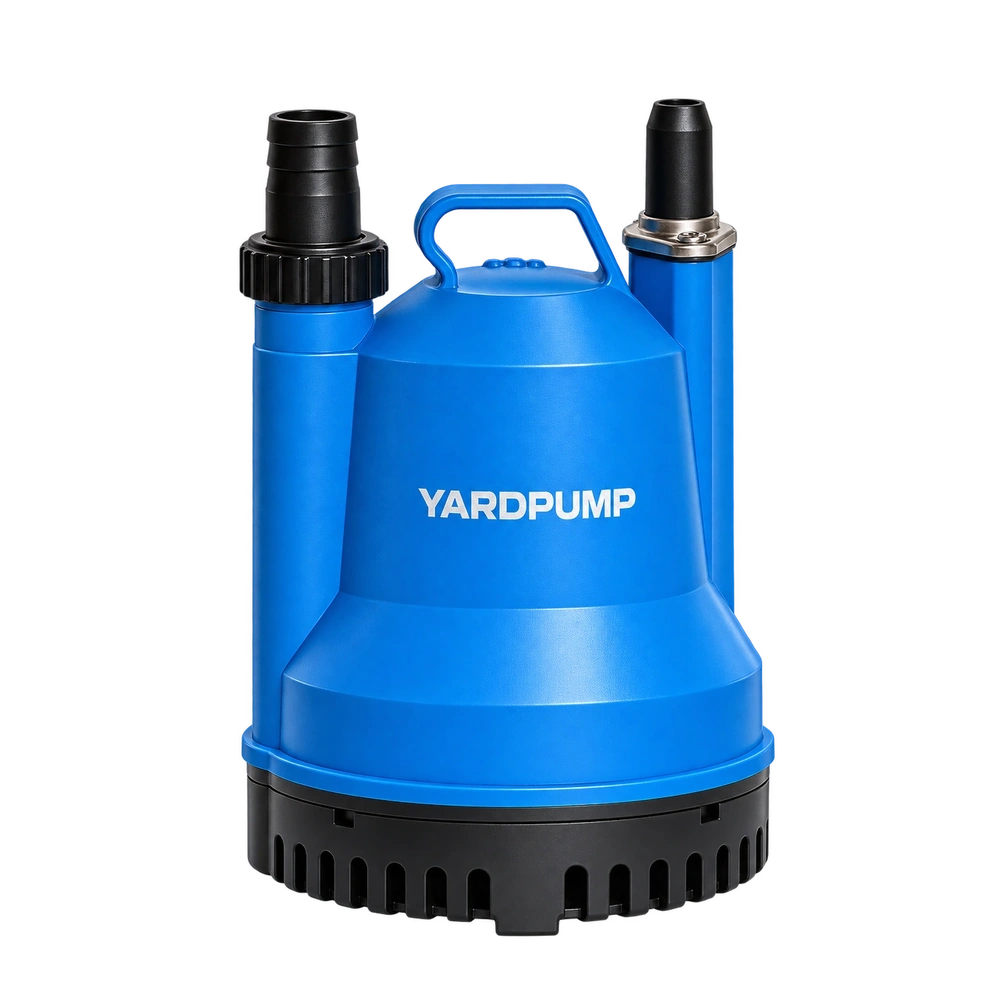
A technician finds that a small plastic submersible pump turns freely before its cover is fully seated. After approved assembly, the impeller rubs. Stop at the assembly check and examine locating features, gasket and actual clearance. Do not run the pump with the screws loose. This complaint appears as assembly constraints change. It differs from a pump with acceptable assembled clearance that becomes noisy only at working head. Bearings, impeller and spacers are still possible contributors. A rubbing sound alone does not establish that the plastic cover is too flexible.
Seating the cover changes where surfaces end up
Locating steps, holes, fasteners and the seal constrain the cover. Clearance before tightening can be temporary. When the joint seats and the gasket compresses as intended, the impeller and cover can move relative to each other in axial or radial directions. Debris on a locating feature, the wrong gasket thickness or orientation and incorrect fasteners can tilt the cover or change how it is loaded. Equal final torque readings do not establish that every locating face is seated. A thread or a bottomed fastener can absorb the tightening effort.
Separate an impeller that already runs off centre from local contact that appears after assembly. A mark on one side directs attention to the corresponding location, gasket and fastener seat. A circular mark calls for a check of working height, axial position and part revision. Rub marks identify contact location, not which component moved. Record any relevant shaft play and whether the impeller is properly retained. Do not examine the cover in isolation.
Identify the assembly stage at which the symptom appears
Have authorized service isolate the pump, let it cool and relieve pressure as required. Identify casing, cover, gasket and fasteners. Inspect mating surface cleanliness, locating edges and orientation and record the approved tightening sequence and tooling. Under the approved inspection method, compare initial placement, seating and final assembly. If a stage cannot be checked safely, do not improvise a manual rotation or powered step. Use the drawing's datums and measurement method for clearance. Do not function-test with a loose cover.
Consider an illustrative comparison. The correct cover and gasket seat evenly, and the approved clearance check passes. A similar-looking gasket of different thickness leaves contact on one side. Investigate the spare and locating features before changing screw torque. If the approved gasket is restored and contact remains, check cover geometry, fixing and shaft or impeller position. Replacing a gasket is not a release decision by itself. The example gives no general clearance or torque value.
Recheck rotation, sealing and delivery together
Once the cause and approved configuration are established, verify location, fit, fastening and sealing. Have qualified personnel perform the running checks at the permitted duty. Free movement without power does not replace a wet test. Quiet operation does not establish sealing or delivery. Record the mark location, assembly stage, changed part and scope of retest. If the pump is free after complete assembly and becomes noisy only at operating head, investigate running loads, temperature and shaft movement separately.
An intact cover of the same approved revision can provide a useful comparison if the locating features and gasket also match. Change only that cover. If the rub follows the cover, inspect its seating face and geometry. If it stays with the original pump, check the body datum, shaft position and impeller seating. If both outcomes change, examine the stack of dimensions. Replacing the cover and impeller together may clear the symptom but loses the information needed to identify the suspect part.
Frequently asked questions
Can I leave the screws slightly loose if that stops the rub?
No. It can compromise sealing or structural support. Correct the fit or part issue and verify the approved assembly.
Does equal screw torque prove the cover is centred?
No. Check location, gasket, tightening sequence and any interference or bottoming.
What should I check if a new impeller still rubs?
Use the marks to review the cover location, gasket, clearance and shaft arrangement before replacing more parts.