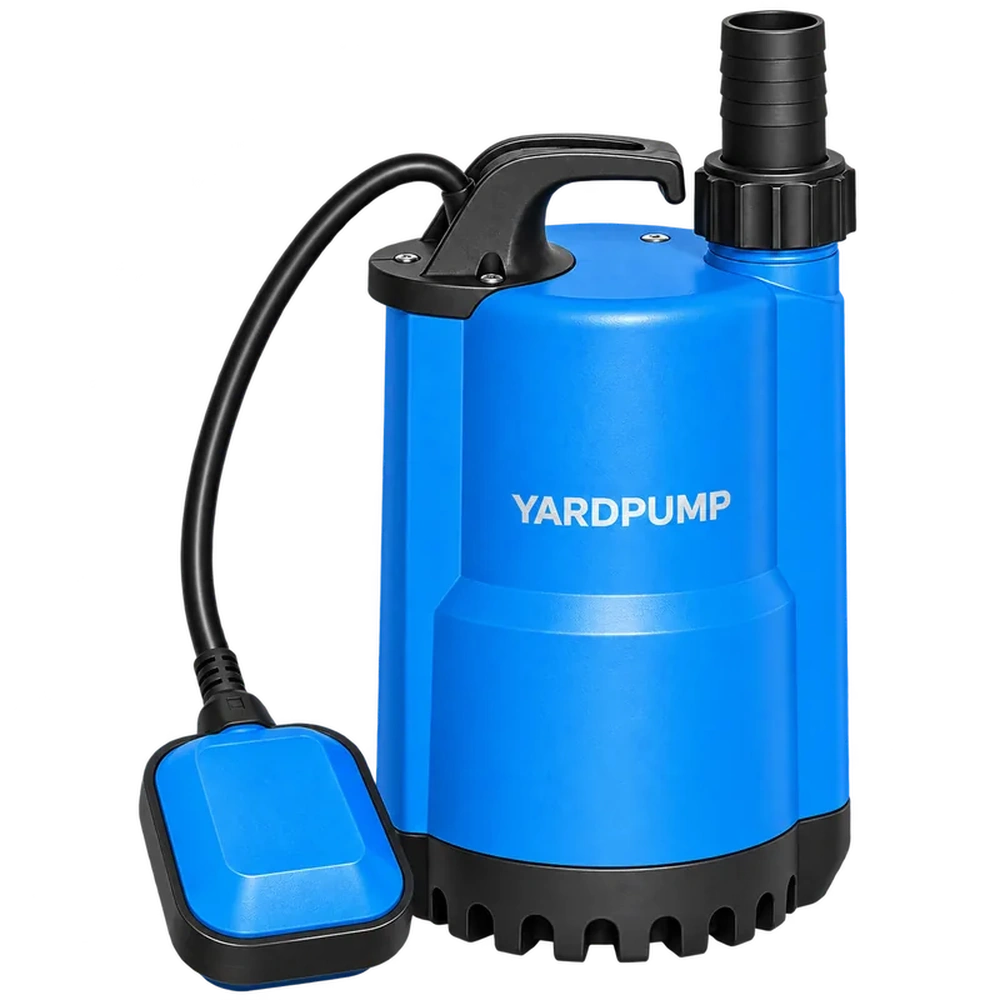
While removing an outlet adapter from a plastic submersible pump, the fitting turns without backing out and a metal ring appears to move with it. Stop applying force. Identify whether the adapter, a part within the connection or an insert intended to stay fixed in the plastic is rotating. Stripped threads and a moving insert call for different repairs. A new fitting going in does not establish that a loose insert can still hold and seal.
Watch relative movement instead of relying on the sound
Some plastic pumps use a metal insert moulded or otherwise secured into the outlet. During normal removal the adapter turns relative to the insert and backs out. If the insert has lost retention, it can turn with the adapter inside the plastic. If the insert stays still but the adapter turns without moving out, the threads may be damaged or crossed, or the connection may use a different arrangement. Confirm the model's connection design. Do not mistake a union designed to rotate for a failed insert.
If a user notices the symptom, stop, isolate and relieve pressure as instructed. Preserve photos from a safe position and keep the actual fitting. Do not keep turning it while the pump is powered or pressurized. Do not use a longer wrench or glue a moving ring in place and try it again. Preserve any existing displacement, crack or water trace for service. Do not damage the equipment further to add a mark or obtain a photograph.
Use the approved assembly to trace the load
Qualified service can compare part numbers, threads and retention under the approved inspection. Check the insert's position relative to the plastic, any axial movement, whitening, cracks or circumferential marks. Review whether the adapter was crossed, seized or fitted with an unapproved compound, and whether the hose pulled sideways. If the insert remains fixed and only the adapter spins, start with the threads. If the insert has moved relative to the housing, review encapsulation, anti-rotation features and connection limits. Old compound alone does not identify the shipped condition. Compare actual fittings and the repair history.
In an illustrative comparison, pump A has a stationary insert and wear on the first few adapter threads. Pump B has intact-looking threads but movement marks at the insert-to-plastic boundary. The first calls for a thread and fit check. The second calls for a review of the housing connection. The examples set no permissible rotation and do not ask users to apply torque again to a damaged return.
Verify more than whether a new fitting screws in
If retention is damaged, have the manufacturer determine whether the housing needs replacing or an approved repair is possible. After correction, check the connection, sealing, actual water path and permitted hose support. Stopping a leak does not establish structural retention. Resistance at a wrench does not prove the insert is sound. Record relative movement, photos before and after removal, part revisions and the retest result. That helps a buyer decide whether the accessory, routing or assembly process needs correction.
Ask for photos that separate the fitting from its internal thread, the ring from its plastic seat and the gasket from the sealing face. If support only has a picture of the removed adapter, keep the fitting part number and packaging and request a view that establishes its installed orientation. Authorized service staff can compare an intact unit of the same revision. A permanent kink in the removed hose suggests a possible load path, not who caused the failure. If unused units from the same lot show an off-centre insert, prioritize the build and moulding records.
Frequently asked questions
Does installing a new adapter rule out a loose insert?
No. Check retention of the insert in the housing, sealing and the complete connection.
Is rotation of every metal ring a fault?
First identify the part. Some connectors are designed to rotate. Movement of an insert that must stay fixed needs structural assessment.
Can I glue a loose insert into place?
Do not use that as a general repair. Follow the approved process and verify both retention and sealing before reuse.