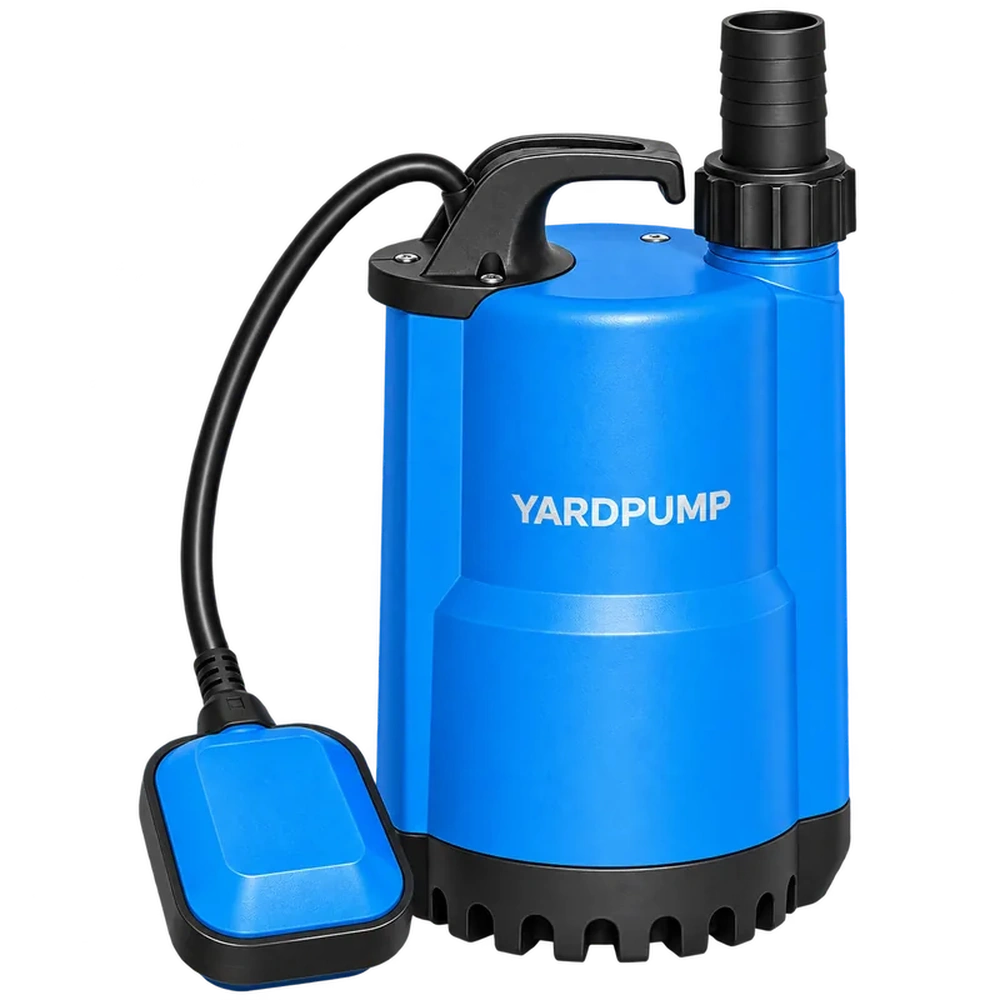
A submersible pump’s bearing inner ring seats with the specified press fit at assembly. At teardown, a service engineer sees a polished band on the shaft and suspects the fit became loose in service. That can happen if the ring’s bore grows more than the shaft seat as temperatures change. Do not diagnose it from a warm pump casing or choose a tighter fit immediately. Establish the dimensional and thermal conditions at the actual interface and compare them with the bearing arrangement’s limits.
Interference changes with the two components
At a common reference temperature, diametral interference is the shaft seat diameter minus the unmounted bearing bore diameter. In a simplified estimate, each diameter grows by its diameter times the relevant thermal expansion coefficient times its temperature rise. If similar steels start at the same temperature and the inner ring gets hotter than the shaft seat, the ring bore can grow more than the shaft. The predicted interference then falls. If the shaft grows more, interference can rise instead.
The real assembly also deforms elastically, and fit depends on tolerances, wall thickness, shape, load and surface condition. Mounting marks, poor shoulder geometry, loads beyond the original duty or damage during service can contribute to a polished or fretted band. A hotter outer housing does not give the shaft-to-inner-ring temperature difference. Distinguish a loose seat from the bearing’s internal running clearance, which is a separate condition affected by both fits and temperature. An excessive increase in interference can reduce installed clearance and raise temperature.
Estimate the range before choosing a correction
Measure representative seat and bore dimensions using the approved practice at a known reference temperature, and retain geometry such as roundness or taper if it matters. Ask which temperature measurements or lab estimates are representative of each part when mounted. A short surface reading taken after shutdown can miss the hottest running state. Use an approved instrumented test or validated thermal estimate; do not place unapproved wires near a rotating shaft or bypass an electrical protection for this test.
For an illustrative first-pass calculation, take a 20 mm dimension and similar steels with a coefficient of 12 micrometres per metre per kelvin. Suppose the inner ring is 20 °C hotter than the seat at a condition relevant to the test. The differential expansion is about 4.8 micrometres at that diameter. Starting with a hypothetical 8 micrometres diametral interference, the simple free-expansion estimate would leave about 3.2 micrometres. That is not a recommended fit and does not include geometric tolerance, elastic contact or operating load. If the cold fit is near its minimum, the same gradient can have a greater practical consequence.
Compare normal and worst permitted duties, including start, sustained operation and cool-down if the temperature distribution changes quickly. Report the actual or estimated differences and uncertainty. A conclusion that depends on a smaller difference than the uncertainty calls for better measurement rather than a new diameter.
Decide which part of the design to verify
If the shaft seat is out of tolerance at reference temperature, correct that issue first. If dimensions are correct and the thermal estimate leaves little margin under permitted duty, review cooling, losses and the mounting choice with the bearing and pump engineers. Any fit change should take account of installed clearance, mounting method and the limits of the complete arrangement. Confirm a revision with a repeatable wet-duty test and a suitable inspection, retaining bearing identity and the orientation of any surface marks.
This approach applies to the bearing arrangement as actually built. A bearing chosen for a different shaft material, temperature or load pattern may require a different assessment. The aim is to decide whether the fit, heat balance or another load source needs work, without sacrificing clearance to solve an unproven fault.
Frequently asked questions
Can a high bearing temperature alone prove creep?
No. Confirm the mark origin, seat geometry and temperature difference relevant to the fit.
Does an extra few micrometres of interference always help?
No. It changes mounted clearance and contact stress. Use the assembly’s validated requirements.
Why check before the pump cools?
Heat moves after shutdown, so a late reading may not represent the differential during operation.