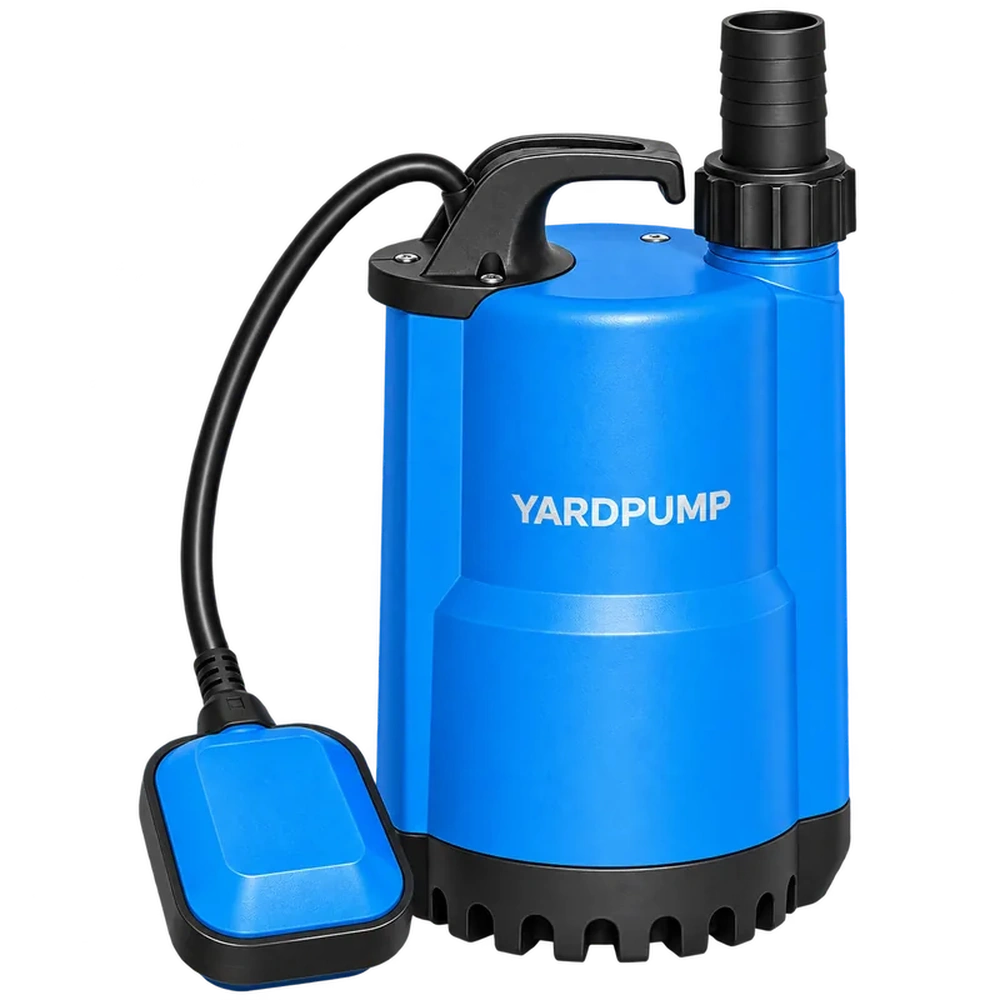
A plastic submersible pump passes a wet test and then a quick air leak test. A later return points to a very small path that can admit water. Could the wet test have affected the air result? Yes, under some conditions. Water held in a narrow path can resist displacement, so gas may not pass at the test differential within the observation interval. Check the approved sequence, conditioning and known-leak detection before relying on the result. A pass just after wet testing does not establish tightness under another liquid, direction or thermal condition.
The water only has to span a narrow part of the path
Think of a narrow channel with walls that water can wet. Some liquid can stay between them after drainage. To cross the channel, a gas phase may need to move a liquid interface. That response depends on shape, surfaces, liquid properties, direction, differential and time. In another gap, water may clear quickly or produce a mixed signal. A wet gap is not always harder to detect. And temporarily blocking gas does not prove the same path stays watertight during immersion.
Separate this from pressure drift caused by gas and part temperature, leakage in valves or the fixture, and a changing enclosed volume as a plastic part or fixture settles. Temperature records, a known good assembly, a blank fixture check and an approved leak challenge help separate them. A green lamp at the end of a short test cannot do that. Never apply an arbitrary air pressure to a suspect item in the field to reproduce a result.
Challenge the complete inspection sequence
Have qualified quality staff confirm the condition, interface and orientation, then use a controlled, repeatable leak specimen and a sound control. Choose a challenge that is relevant to the intended sensitivity, rather than relying on a random returned pump. Record repeated dry results after the approved preparation. Expose the specimen to the actual wet-test, drain and wait sequence. Then repeat the air test with the same fixture, stabilization, orientation and prescribed limit. Where allowed, restore the defined dry state and check whether detection returns. Keep the time trace and the preconditioning record. All pressure, temperature and equipment limits come from the approved design and test procedure. Improvised blowing, heating or pressurizing can damage a product or make the fixture unsafe.
For illustration, suppose a challenge part is detected in repeated dry trials, appears to pass after wet testing, and fails again after approved reconditioning. Confirm that this follows wetting rather than a different temperature, dwell or clamping condition. Run the comparison again before modifying the process. An external calibration leak opens a useful check of the measuring system, but if it cannot wet like the production interface, it cannot establish that the whole sequence detects the relevant path. The example does not authorize settings or imply that products released previously are defective.
Specify conditioning as part of the release
If the investigation shows a condition-sensitive test, update the authorized work instructions with the drainage position, wait or drying condition, stabilization, leak challenge and test direction. Keep records for lots tested before and after the change and review them according to the approved quality plan. An air-leak result is not an electrical release or permission to run submerged. Identify the housing, cable entry or other interface that was actually tested. A plastic submersible pump’s complete release may need other checks for the exact model and construction.
Frequently asked questions
Will wiping the outer casing remove the water from the path?
Not necessarily. Water can remain inside mating features that cannot be wiped. Validate the specified drain and conditioning state.
Is a little more air pressure a good way to increase sensitivity?
Do not change pressure on that assumption. It can change the interface and the way trapped water moves, and may exceed the approved test conditions.
If a wet part sometimes shows a larger leak signal, does that rule out blockage?
No. In another geometry it may wet differently. Verify detection in the states and directions the inspection needs to cover.