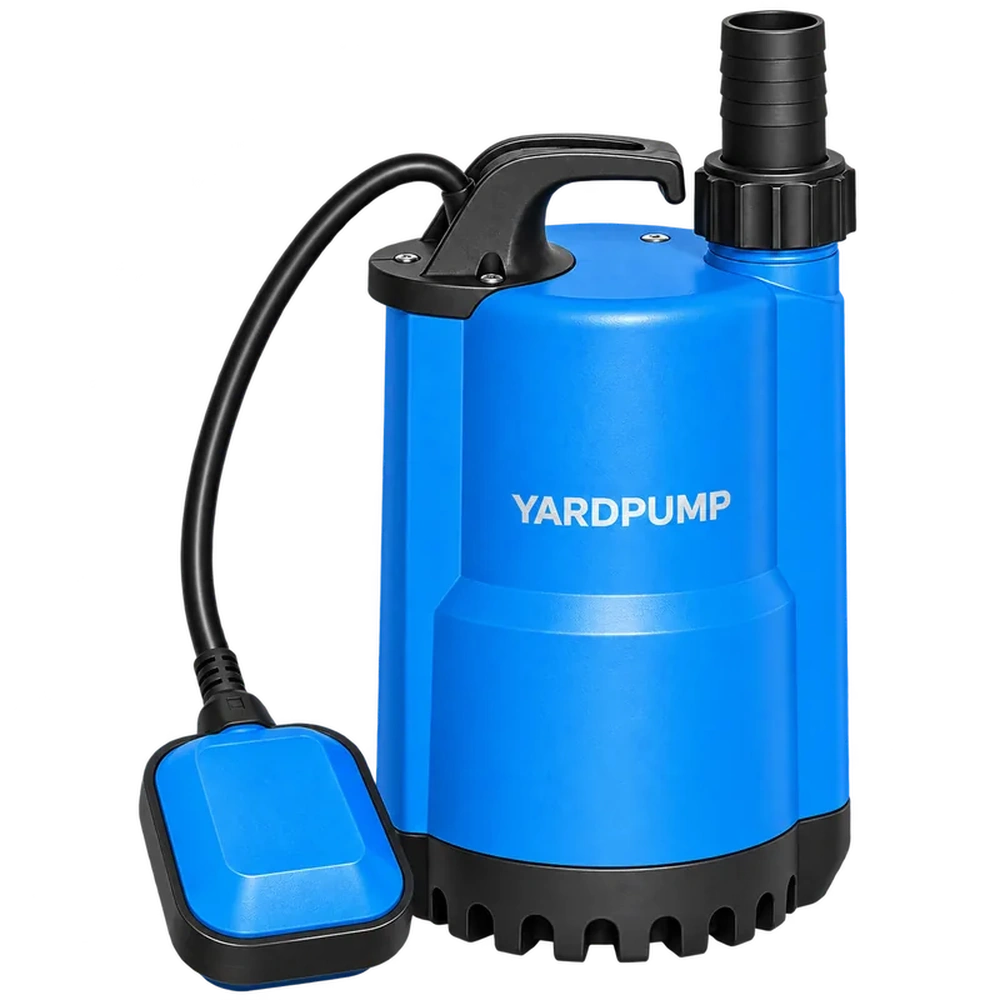
A returned motor has three leads in the same colours as another motor. Can the service team reconnect it by copying the colours? No. Colour can assist identification, but main winding, auxiliary winding, common point and protection arrangements do not share one universal colour map across suppliers. Establish the exact wiring diagram and terminal identity before making connections.
Similar colours do not establish similar functions
Lead colours may follow a manufacturer's internal convention, a component revision or a previous repair. Motors in similar housings can use different capacitors, protectors or internal connections. A lead resembling the old version's common conductor does not prove that it has the same function now.
A protective-earth conductor has a separate safety purpose and must not be repurposed as an ordinary winding lead. Uncertainty calls for qualified inspection against applicable requirements, not experimental connection. This article deliberately does not provide a universal colour-based wiring circuit.
Repeated energisation to discover a connection is unsafe and can damage a motor before the fault has been understood.
Establish the motor identity first
Record nameplate, model, voltage, frequency, batch, terminal markings, capacitor and protector information. Match those details to the wiring-diagram revision. Terminal numbers on the diagram should correspond to the physical assembly rather than appearing as undefined coloured lines.
For a rewound or previously repaired motor, determine whether internal connections changed. Its outer label and lead colours may no longer describe the construction reliably enough to approve a repair.
Imagine a hypothetical pump housing used for two electrical revisions. Both have three identically coloured external leads, but the protector location or capacitor connection differs. Applying an old photograph to the new motor can make an incorrect connection look like faithful restoration. The example illustrates identity control, not a specific product circuit.
| Information | Useful purpose | Limitation |
|---|---|---|
| Lead colour | Assisting terminal recognition | Not a universal cross-model code |
| Terminal marking | Matching the approved diagram | Missing or incorrect labels require review |
| Resistance relationships | Supporting qualified diagnosis | Not a complete topology check |
| Correct wiring diagram | Defining connections and protection | Must match the actual revision |
Resistance is not a universal decoder
Some simple single-phase arrangements permit useful interpretation of winding resistances. Internal protectors, different circuit designs or repair changes can invalidate a simplified rule. Temperature, connection quality and whether stored capacitor energy has been safely addressed also matter to the assessment.
Do not apply one largest–middle–smallest resistance shortcut to every three-lead motor. Testing requires isolation, verification of a safe electrical condition and management of stored energy by qualified personnel. Users should not measure with wet hands, bypass protection or disconnect live leads.
If a measurement conflicts with the approved diagram, stop and resolve the discrepancy. Choosing whichever connection makes the shaft turn converts an unresolved identity problem into an operating risk.
Running is not proof of correct connection
Incorrect wiring can affect starting, winding-current distribution, temperature or protective function. A motor may rotate briefly without operating as designed. Successful starting is therefore not sufficient release evidence, and increasing capacitor size is not a legitimate way to disguise an unresolved connection problem.
After the connection has been established, complete the applicable electrical-safety, rotation and loaded checks. Water-cooled designs require the prescribed test conditions. Correct direction is one requirement, not a substitute for power and temperature verification.
Make service information revision-specific
Purchasing documents should identify terminal markings, colours, connections, protector and capacitor revisions. Supplier changes and repairs need information that follows the physical sample. Spare-part packaging can carry the compatible revision and wiring-document identity so service teams do not rely solely on photographs.
Treat an unidentified returned motor as awaiting clarification. Another similar-looking pump is not a universal reference. These principles do not disclose wiring arrangements for individual YARDPUMP models or authorise user modification.
Frequently asked questions
Can the same brand and housing share one colour map?
Not automatically. Confirm the revision; matching housings do not establish matching internal connections.
Can resistance measurements alone locate every capacitor connection?
No. Use the applicable diagram and a complete assessment by qualified personnel.
Can repair end once the motor starts?
No. Applicable safety, rotation, loading and temperature checks still need completion.