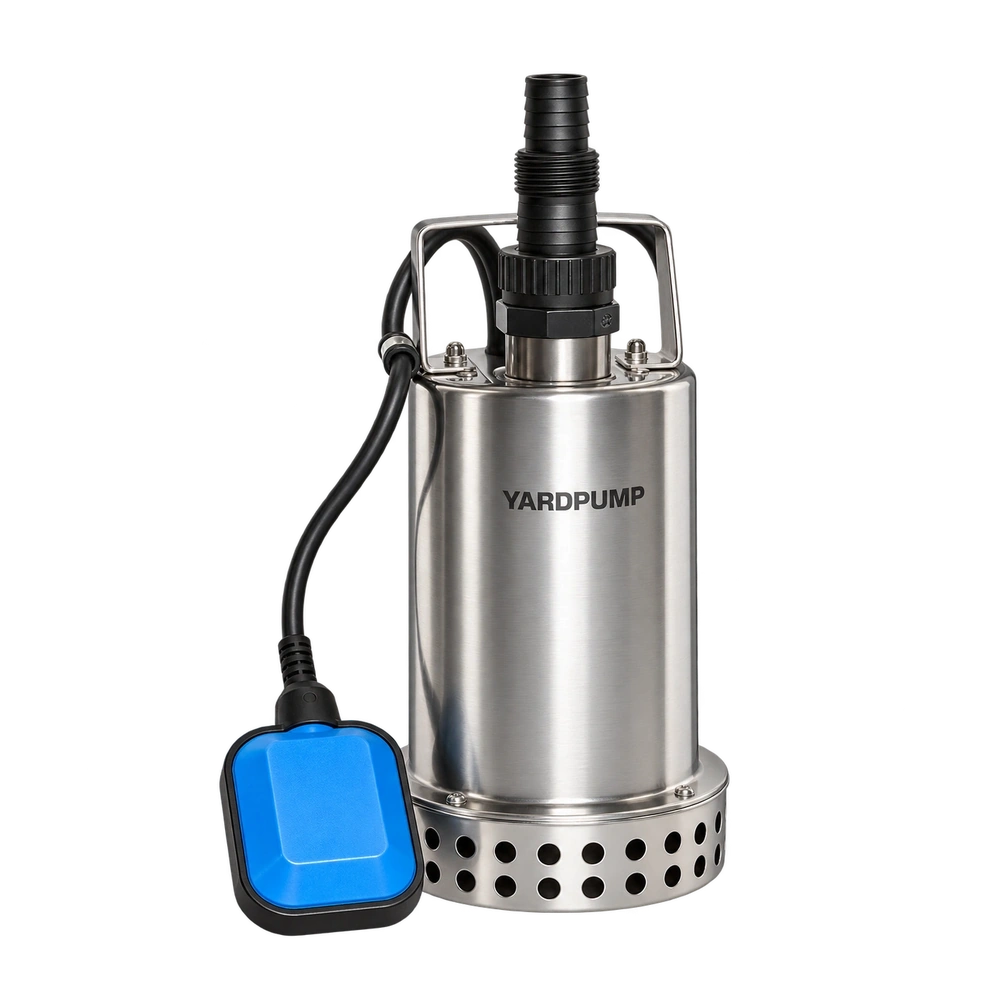
Take an example of wetting on one side of a pump cover. One side of a small plastic submersible pump cover is wet after inspection. The O-ring shows no obvious cut. Should the service team fit a larger section across the whole joint? First establish whether the existing ring has the same squeeze all the way around. In a static face seal, a greater local distance between the groove bottom and the mating sealing face leaves less local squeeze. A new ring may not compensate for warping, debris or incomplete seating. If moisture may have entered an electrical compartment, isolate the pump and have it assessed by qualified staff.
Understand which gap actually affects the ring
For illustration, take an uncompressed ring section of 2.50 mm. Suppose the effective gland height is 2.00 mm at one location and 2.25 mm at another. The section minus the gland height, divided by the section, gives 20 percent and 10 percent squeeze respectively. These figures are not pump acceptance limits. The simple calculation does not account for stretch, swelling, deformation or other effects. Use the drawing to establish the relevant dimensions, temperatures, part support and allowable range. The size of a feeler that fits into the outside cover seam does not necessarily equal the height available for the ring.
Where the design permits inspection, take perimeter readings from the specified assembly datum and mark the fastener positions. Compare the pattern with an approved sample. Check the ring identity, actual cross section and groove depth before looking for cover distortion, a moulded step, fastener bottoming, dirt at the face or an assembly stack difference. An outer seam that consistently opens more on one side is a useful clue, not direct proof of squeeze. Mark the installed orientation and the position of the wet path relative to the fasteners before cleaning or disassembly changes those relationships.
Compare parts to isolate a correction
Never energize the pump with the cover open or tighten a leaking assembly in service. After isolation and pressure release, qualified technicians can reassemble using the documented sequence and tools. Where one side still fails to seat under the approved procedure, compare the fit with an approved cover on the original casing, then repeat with a known approved ring where appropriate. Do not reverse directional parts to force a comparison. Low squeeze found broadly may justify checking ring identity, overall groove depth or the moulding batch. A gap that follows one cover points to its shape, support or locating geometry. Conduct the authorised leak check under the required conditions and follow the electrical safety release procedure where a chamber may have been affected.
A buyer can ask for a map of readings, the original ring identity, the joint orientation and a properly documented repetition. An oversize ring can fill the gland differently and may extrude or damage the plastic if used to force a joint together. Extra screw torque can produce another distortion or harm a boss. Neither belongs in the corrective action without approval. Where the drawing, pressure condition or safety procedure is missing, preserve diagnostic evidence and send the pump for assessment rather than borrowing values from the example.
A leak report should say whether the evidence follows the casing, cover or ring. If the team changed all three at once, even a passing retest will not reveal which action fixed it. Plan comparisons so that each change answers one question.
When the approved method allows it, number the perimeter zones and record where wetting first appears. This can differ from where it eventually collects.
Frequently asked questions
Does a flattened part of the ring identify the water entry point?
Not by itself. Assembly and removal can leave marks, and water can travel from a different entry point.
Is a confirmed replacement ring useful for comparison?
Yes, after preserving the old ring, initial gap readings and original orientation, and following the approved procedure.
Will extra screw torque close an uneven cover gap?
Do not assume it will. Check the joint geometry and specified procedure; excess torque can distort the cover or damage the bosses.