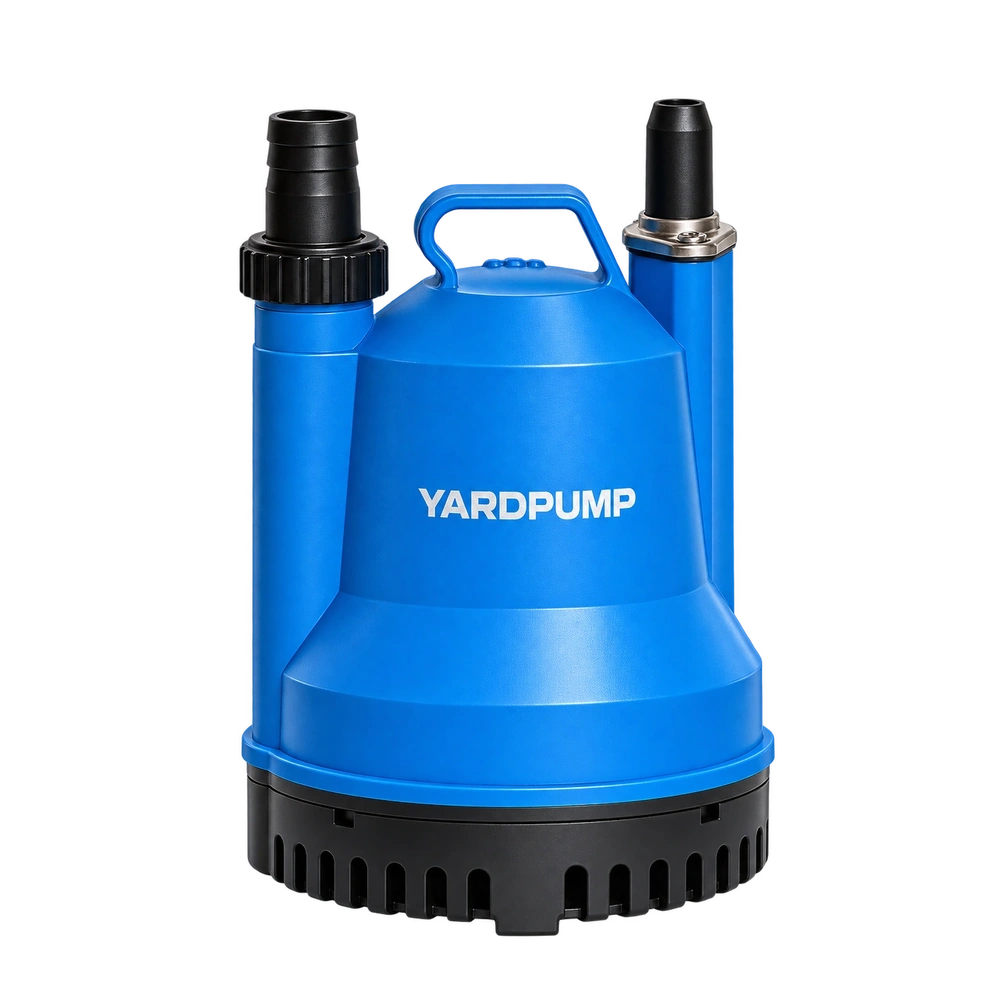
For a leak-test example, suppose this result appears. A sensitive helium test detects a slow signal from a sealed pump assembly, yet the O-ring has no visible cut. Must the ring be damaged? Not necessarily. Gas can travel along an imperfect sealing interface, but it can also permeate through an elastomer. Fixture leakage and residual tracer gas can add other signals. Identify the route and the test boundary before using a small signal to approve or reject water-ingress protection.
There are two different routes through a rubber seal
Interfacial leakage follows a path between the ring and its mating surfaces. A scratch, contamination, inadequate compression or unsuitable geometry can create that path. Permeation is different: gas can dissolve in and diffuse through the polymer itself. It does not require a visible hole around the ring.
Permeation depends on gas species, compound, temperature, pressure and the geometry of the seal. A broad polymer name such as NBR or FKM is not a universal permeability number. The amount and time behaviour in a particular test must be assessed for the actual compound and arrangement. A water seal is not automatically impermeable to every test gas at every instrument sensitivity.
Do not convert a helium number directly into a water leak
Gas and liquid transport can differ greatly in small paths. Wetting, surface tension, pressure direction and interface deformation influence liquid entry. A gas-screening limit can be useful when its relationship to the product requirement has been validated. A conversion factor borrowed from another seal or gas does not provide that validation.
For illustration, suppose an engineering group changes a screening method from air to helium and lowers the detectable signal considerably. The old accept/reject number cannot simply be copied into the new display. Establish the units, pressure conditions, background, exposure time and what the new signal represents. This is a hypothetical method-change question, not a claim that any measured signal is harmless.
| Signal contributor | Useful check |
|---|---|
| Interface leakage | Actual sealing surfaces, assembly and relevant pressure direction |
| Material permeation | Compound, gas, temperature and exposure-time basis |
| Fixture leakage | Blanks, fixture seals and the defined product boundary |
| Residual gas or background | Purging, prior exposure and instrument procedure |
Use controls that exercise the intended boundary
Have qualified test engineers define the complete setup and protected pressure procedure. Use suitable sound controls, verified leak challenges and fixture checks where required. Confirm that the tracer reaches the intended side and the detector observes the intended volume. Do not dismantle a saleable pump or make an improvised pressurized test simply to create a signal.
Preserve the signal over time rather than only the final reading. A changing trace can help an expert distinguish possibilities, but it is not a stand-alone diagnostic fingerprint. Temperature settling, fixture behaviour and gas history may overlap. Repeating after a different exposure history without recording it can make the same assembly appear to change quality.
Set acceptance from the service requirement
For a compact submersible pump, identify the relevant ingress requirement, service pressure direction and approved verification method. An economical production screen and a sensitive development investigation can have different roles. Do not add an expensive tracer-gas process merely because it detects smaller numbers; show what failure it identifies and how false decisions are controlled.
If an unexpected signal appears, quarantine the result pending method and product review. Neither “the O-ring looks perfect” nor “rubber always permeates” clears the assembly. Resolve defects where found, and document any justified test limit through the existing quality record. The useful outcome is a repeatable decision about the actual sealing task, rather than either rejecting every nonzero gas signal or dismissing a genuine leak as a material property.
Frequently asked questions
Does permeation mean there is no assembly defect?
No. Permeation and interface leakage can coexist. The test needs evidence to distinguish their contributions.
Will a harder O-ring eliminate a helium signal?
Not by assumption. Hardness alone does not determine compound permeability, installed compression or interfacial sealing.
Can a passed water test replace every gas test?
No universal substitution applies. Each method has its sensitivity, boundary and purpose; use the approved verification plan for the product.