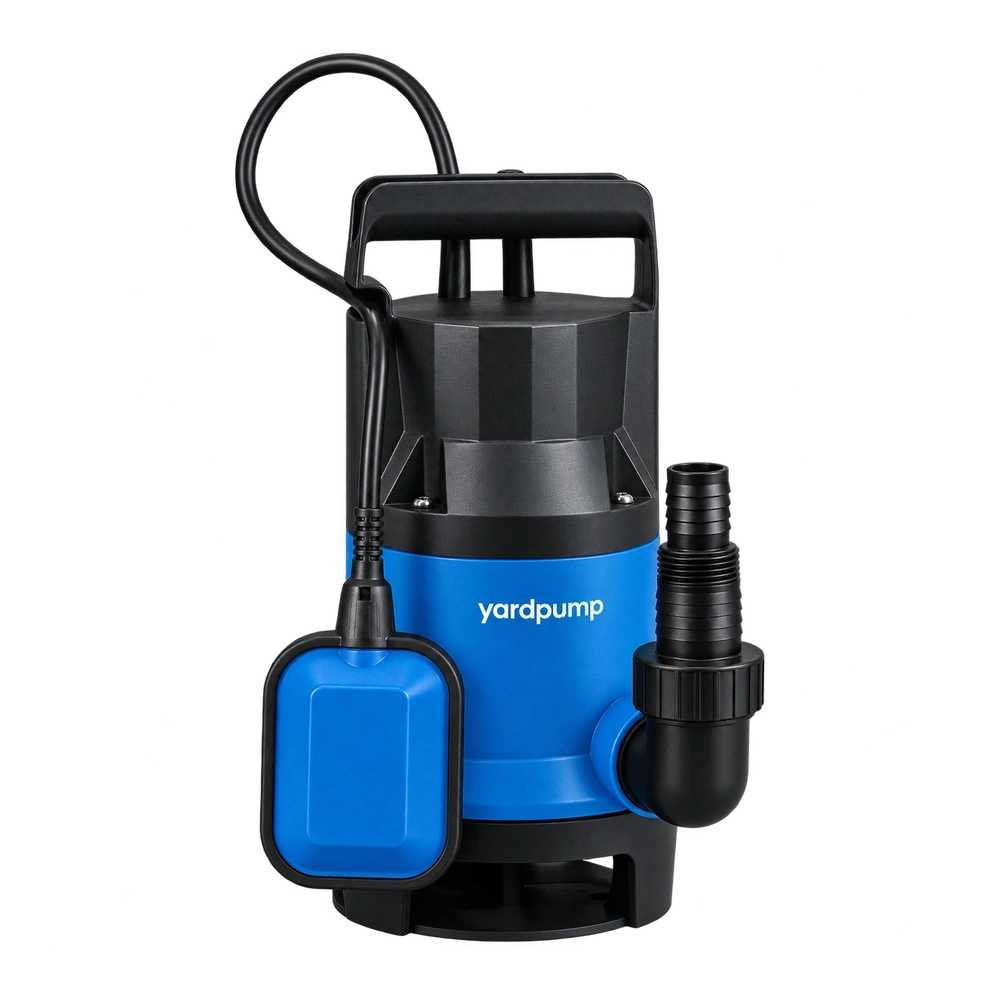
Picture a returned adapter from a drainage kit. A pump discharge kit comes back after several months with pink colour inside a brass-looking adapter. The customer notices a little crumbly material and wants to tighten it once more. That is not a reliable way to assess a pressure part. If the material really is brass, pink colour can be associated with dezincification in some water and temperature conditions, leaving a copper-rich region. Deposits, exposed base metal under a coating, and other surface changes can look similar. Where there is softness, leakage, cracking or doubtful thread strength, stop using the pressure part and arrange an approved replacement or assessment.
Colour can guide an inspection, but cannot clear the joint
Preferential loss of zinc can leave porous metal. An affected area can extend across a surface or be concentrated locally. A fitting that still looks complete may no longer have its original strength. Ask about the water, temperature and how long water sits in the adapter where relevant. Colour cannot establish alloy identity. A component in a private label kit may have a coating or may be made from a different alloy than its appearance suggests. Link the part number, supplier lot and material confirmation. Identify whether the view is of a wet insert, a flow surface or an outside trim piece. Do not use a sharp tool to scrape an installed fitting in order to determine depth.
Consider these illustrative returns. In one, a laboratory finds a surface film without a corresponding porous layer on the section examined. The other has a copper-rich porous zone near a thread root. They deserve different follow-up. The first still needs assessment of leakage and mechanical condition. The second calls for confirmation of affected depth, pressure service and appropriate lot containment. The illustrations are not colour standards.
Retain the water conditions as well as the original metal
Stop the pump, isolate power and relieve pressure before qualified personnel remove the part or assembly. Preserve images of the original wetted side, thread root, upstream and downstream faces and a suitable comparison piece. Identify water type, known treatment and cleaning agents, temperature, standing water, signs of impact or cross threading, and any substituted component. Do not polish away the evidence or put the fitting back into service to see what happens. A water sample describes conditions at its date and location; keep both with the result. If a root cause is needed, have a materials laboratory examine an appropriate section, morphology and local composition to distinguish dezincification from another form of corrosion, wear or assembly damage.
When sourcing a replacement, confirm the intended medium, temperature and pressure and then qualify the exact material and interface. A generic brass or corrosion resistant label is not proof of suitability for seawater, drinking water or chemical service. Specific regulatory and application requirements need their own assessment for the actual component and market. For distributed stock, identify the common material lot and exposure before expanding the check beyond the complaint. Preserve controls and avoid treating a close-up of one pink part as a finding about an entire pump family.
It also helps to distinguish the component owner. Sometimes the wet fitting being examined was a field accessory, not part of the original pump. Record that without prejudging the cause. It can change which supplier can identify the alloy and which stock is relevant to the follow-up.
Ask the laboratory to identify which section it examined. A section through decorative trim says little about the threads of the pressure part.
Frequently asked questions
Can the joint go back into service if the colour fades on drying?
Colour cannot make that decision. Keep a softened, cracked or leaking pressure part out of service until it has been assessed and replaced as appropriate.
Does an alloy certificate replace cross-sectional examination?
It addresses material identity. It does not measure the depth or porosity of a damaged area.
Is a redder replacement safer to buy?
Do not order by colour. Use the approved material, fit, pressure requirement and actual duty.