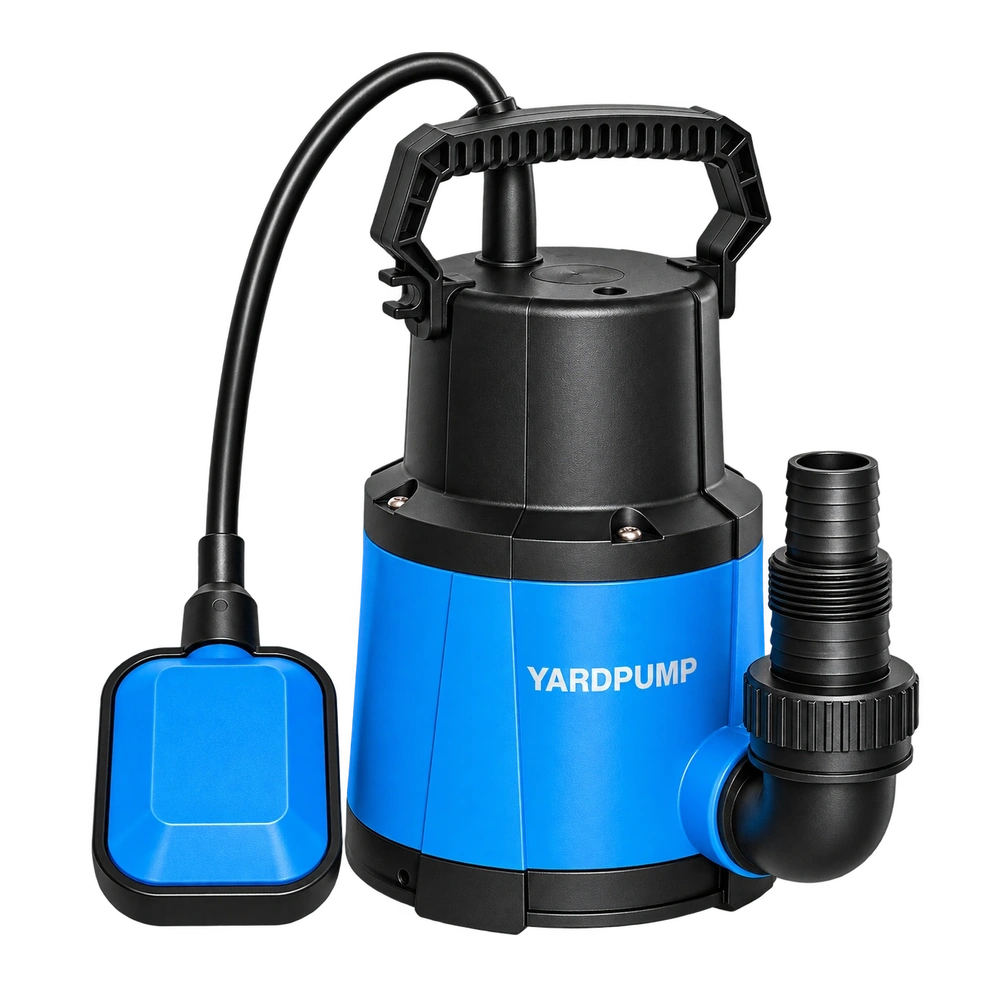
Suppose two wet bench runs use a thermocouple on the same area of a submersible pump. In the second run a thicker adhesive layer is added to secure the probe. Its temperature trace rises much later. Does that mean the pump's cooling changed? Check the mounting first. The sensor may follow the housing, the surrounding water, or a combination. Contact and thermal lag can change the shape of a trace even when the pump and load appear unchanged.
The junction reads its own temperature
A contacting probe exchanges heat with the housing around it. A small gap, a lifted edge or direct flow over a poorly attached junction can make the signal reflect more of the water temperature. Adhesive, tape and encapsulation can add thermal resistance and mass, delaying response. A covering can also interfere with the local cooling path, which makes the direction of error less obvious. Heat traveling along leads and differences in housing curvature or material can matter as well. There is no universal rule that thicker adhesive or an additional layer will improve the result.
Calibration is necessary for the sensor and instrument but is separate from what happens once they are mounted. Define the purpose first. Are you comparing one housing location under steady operation, or the shape of a transient when the pump stops? Select a probe and attachment approved for that wet environment. Identify the lead route and provide any necessary mechanical support without changing the pump's sealing. Do not drill the housing, compromise the cord or connect an improvised measurement to live equipment. Have qualified staff isolate the setup for installation and use the proper wet test procedure.
Test the attachment before interpreting the pump
Fix the measurement location to a reference on the housing. Record the sensor, its contact and attachment, immersion, water temperature, operating flow and head, and time. Verify candidate attachment methods at equivalent positions in a controlled repeat or use an approved reference arrangement to compare response. Check whether the sensor assembly itself blocks local circulation or changes contact area. Keep the preceding record when you try a different mount. Do not simply correct an unexpected curve by adding a fixed number based on adhesive thickness.
In an illustrative comparison, mounting A comes into the reference reading band after about eight seconds and mounting B takes about twenty-five. If the question concerns the first few seconds after shutdown, the slower installation may miss the transition. The figures are hypothetical, not performance values for a probe or pump. If the question concerns a stabilized condition, delayed response alone may have little effect on the final figure, but systematic changes from water contact or local cooling can still matter. Agree a suitable stability and acceptance method for the actual test, rather than changing it to fit the lag of a new installation.
Preserve site evidence that makes comparisons possible
Put the position, attachment and immersion condition in the report, with a clear comparison of what remained the same. A photograph or sketch can help a buyer reproduce the exact location. Record water temperature as a separate measurement. A surface-to-water temperature difference at one location does not establish winding rise or the protective device's temperature. If a service team cannot safely instrument an installed pump, move the evaluation to a qualified setup rather than adding probes to an energized installation. A useful test separates the instrument's response from the behavior you are trying to measure.
Frequently asked questions
Is a thicker layer always better if it keeps the probe in place?
No. It can change contact, response or heat transfer. Use a validated mounting method for the intended measurement.
Can I compare final temperatures if both traces eventually stabilize?
Only if the test is meant to compare steady values and the positions and measurement biases are sufficiently comparable.
Does subtracting the water temperature give winding temperature rise?
No. It gives the temperature difference for that surface point. Winding rise needs the appropriate method.