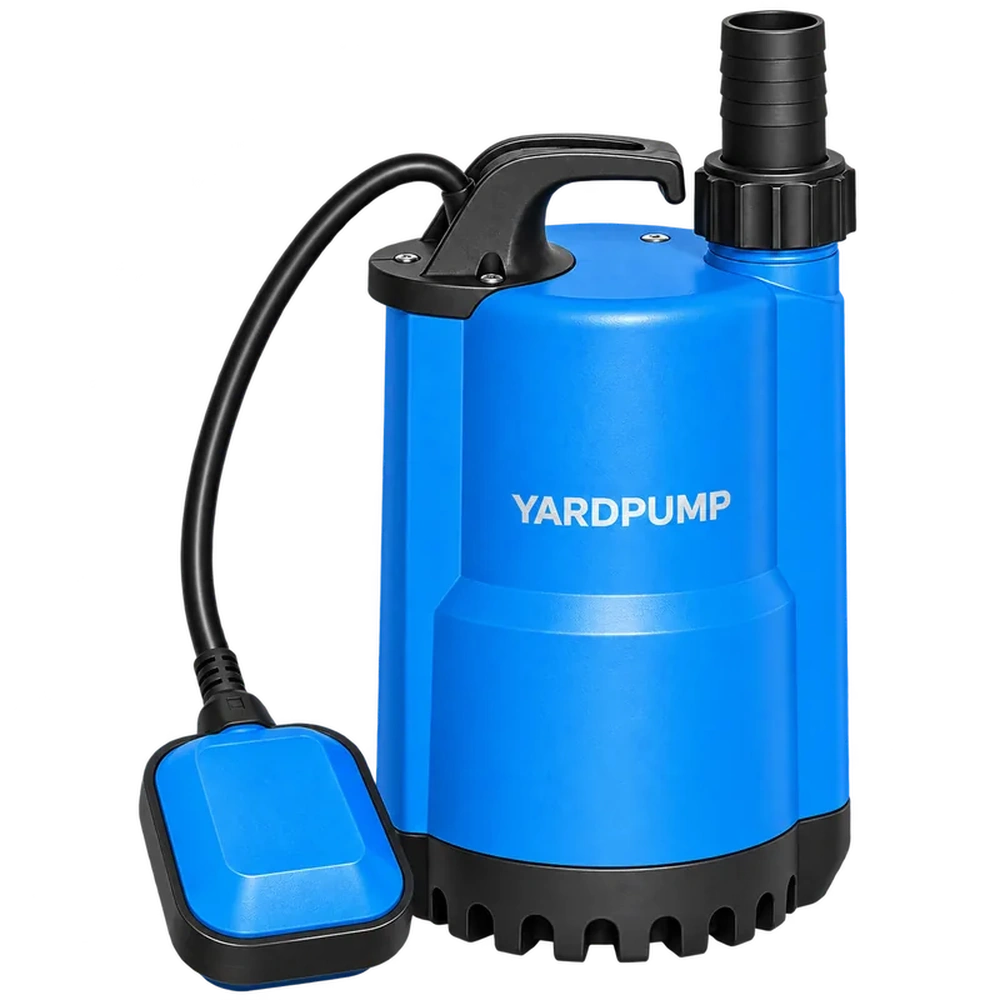
One pump is tested on two stands and yields slightly different curves. On one stand, the return line points into the area where the inlet draws. On the other, return water passes through a baffled section before reaching the pump. Before attributing the difference to manufacturing variation, check the approach flow. A return jet can introduce bubbles, bulk circulation or a nonuniform velocity field. The test tank is part of the hydraulic setup.
Trace the return flow to the inlet
An outlet above the water may entrain air as the falling stream enters the tank. A submerged outlet can also cause trouble when its jet is fast, close to the inlet or pointed directly at it. A jet that strikes a wall may turn back toward the intake even if the two openings are far apart. As test flow increases, the strength of the return jet changes. The effect can therefore appear on only part of the curve. Check for bubbles, surface depressions, persistent rotation and changes in reading stability. The absence of a visible vortex does not establish uniform inlet conditions.
Check the inlet clearances and liquid level. An installation close to a wall, tank floor or surface may become more sensitive to recirculation. Distinguish a problem that changes the pump's actual inlet condition from a measuring problem. For example, air can upset some flowmeters if the measuring section is no longer full. A pressure tap or measuring line can introduce a separate bias. Keep the raw time series so the difference between a wandering reading and a repeatable shift is visible.
Change one part of the arrangement
Use the same undamaged pump, speed, immersion, liquid temperature and measuring positions. Compare two return arrangements accepted by the test stand owner. If a baffle is used, document its position, openings and distance from the intake and secure it properly. At several flows near the intended duty, record head, flow, power and variation during the sampling period. Restore the original layout and repeat a point where practical. That helps separate a layout effect from warming, falling water level or drift across the test sequence.
In a hypothetical trial, the original return produces a broad oscillation in measured flow; a dispersed return yields a steadier reading at the same valve setting. The improvement does not automatically make the second mean value correct. Check full pipe conditions, pressure taps and speed. Then see whether the difference follows the return arrangement on repeat runs. Use only safe observation and approved instrumentation; keep hands and loose objects out of the operating tank.
Include the inlet setup in the test record
Give the next laboratory the test configuration, not just a curve and pump label. Include inlet spacing, operating level, return location, temperature, settling rule and any aeration observed. If two stands must correlate, use a common reference pump and compare multiple points under agreed conditions. Decide in advance how to handle unstable readings and repeat runs. If a tank modification changes the result beyond the agreed measurement and acceptance limits, document whether previous data remain valid before substituting the new curve.
Document the rig with a simple plan view showing the pump inlet and return direction. Restore the original arrangement for one repeat, if approved, so a slow change in temperature or instrument zero cannot masquerade as a change caused by the return. When differences sit within test variation, record that the setup comparison was inconclusive.
Frequently asked questions
Must the return always be submerged?
There is no universal answer for every tank. The goal is suitable approach flow without excessive air. A fast submerged jet can interfere with the inlet.
If I see no bubbles, can I rule out the test tank?
No. Swirl, uneven velocity and changing level can still affect the result. Check the response to a controlled change in layout.
Can a new baffle retain the previous acceptance curve?
Only after comparison shows that the results are equivalent within the agreed limits or the change is otherwise approved. Keep the old configuration in the record.