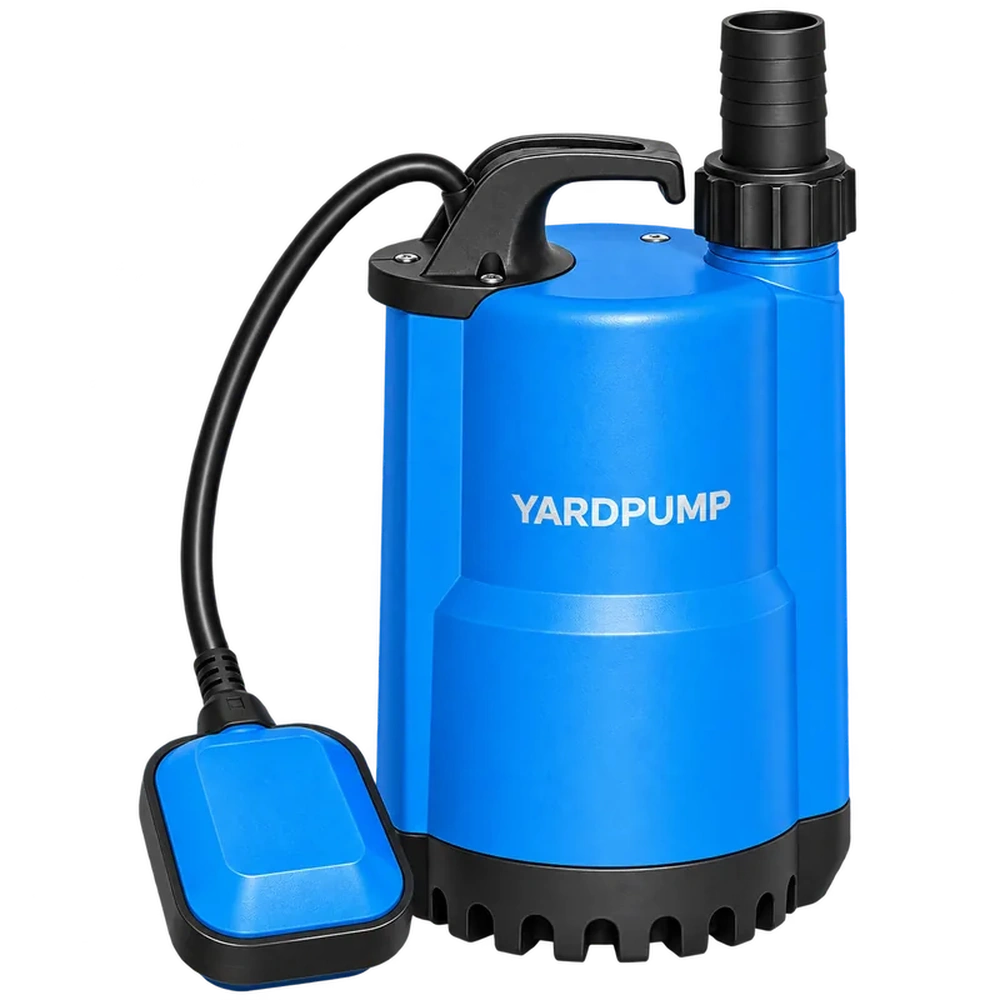
Suppose a drainage pump still makes noise after cleaning. This clean and dirty water pump has been used in standing water with some fine sand. The accessible grass is removed, yet the pump still scrapes in service. On return, the face of the impeller looks clean. Where should service look next? Where disassembly is permitted, check the hidden side of the impeller, the shroud, and nearby running clearances for grit. At the same time check whether the cover or rotating assembly has moved. Particles smaller than the advertised solids passage may still enter a narrow space or abrade a surface. A solids passage description alone is not approval for abrasive water.
Read the marks in their original positions
Qualified staff should stop and isolate power, manage pressure and retained liquids under the service procedure, and photograph the inlet and wet end before changing their relationship. Where the wet end can be serviced, inspect the shielded impeller face, front cover, and gaps near wear parts. Look for grains embedded in a local area or collected around an annular space. Leave a sealed electrical compartment closed unless the approved service process calls for work there. Keep a sample of original sediment if available. Colour may suggest a comparison but cannot identify the source. Photograph any grit in place before removing it, and note if someone already flushed away that evidence.
Imagine a thin pocket containing grit and a short arc on the nearby rotating surface in the direction of movement. Those observations support a controlled cleaning and comparison. In another hypothetical case, the same stationary position is polished, the shaft or cover shows measurable movement, and no corresponding grit is found. That calls for a closer look at fit and support. Rough surfaces and rounded vane edges from prolonged wear can look different from a fresh streak on soft plastic. More than one process can occur on one pump. Finding a few particles does not clear bearing fit, cover location or impeller shape.
Give cleaning and release separate checks
Remove debris only by the permitted method. Do not scrape fitted surfaces with a sharp metal tool, reshape a vane or pour old sandy water onto the controlled rig. Check assembly against approved clearance criteria. Chips, restricted movement or suspected electrical ingress need further assessment. Repeat with suitable guarding and an approved test liquid. Record whether the noise is gone, and check flow, head and leakage against the applicable requirements. Do not run an open pump to listen for a scrape. Manual movement, if part of the service procedure, cannot replace a protected wet run and any required electrical release.
Before putting a replacement pump in the same place, decide whether sand came from a single wash of debris, an ongoing bed of sediment or material returning in the line. Address controllable sources through a suitable intake location, settling or piping arrangement. Select equipment rated for the actual medium if the duty calls for it. Without knowing concentration, hardness and exposure, do not infer that a small dirty water pump can replace a slurry pump. A service team can use a sketch, water sample and the original mark positions to decide between cleaning the wet end, changing the setup or sending the unit for controlled disassembly.
An intake photo should travel with the return report. It helps decide whether damage began near the inlet or at a sheltered part where material could collect after the first event.
Pair each close-up with an orientation photograph so the location can be reconstructed.
Frequently asked questions
Why can grit cause wear even if it is smaller than the solids passage?
Passage describes a geometric condition. Hardness, concentration and access to smaller running gaps still matter.
Does a quiet run after cleaning clear the bearings?
No. Use the assembly and wet test criteria. A change in noise is one observation.
Where do I look if removal of the cover reveals no grit?
Note whether the parts were flushed, then check clearances and relative positions of the cover, shaft and impeller.