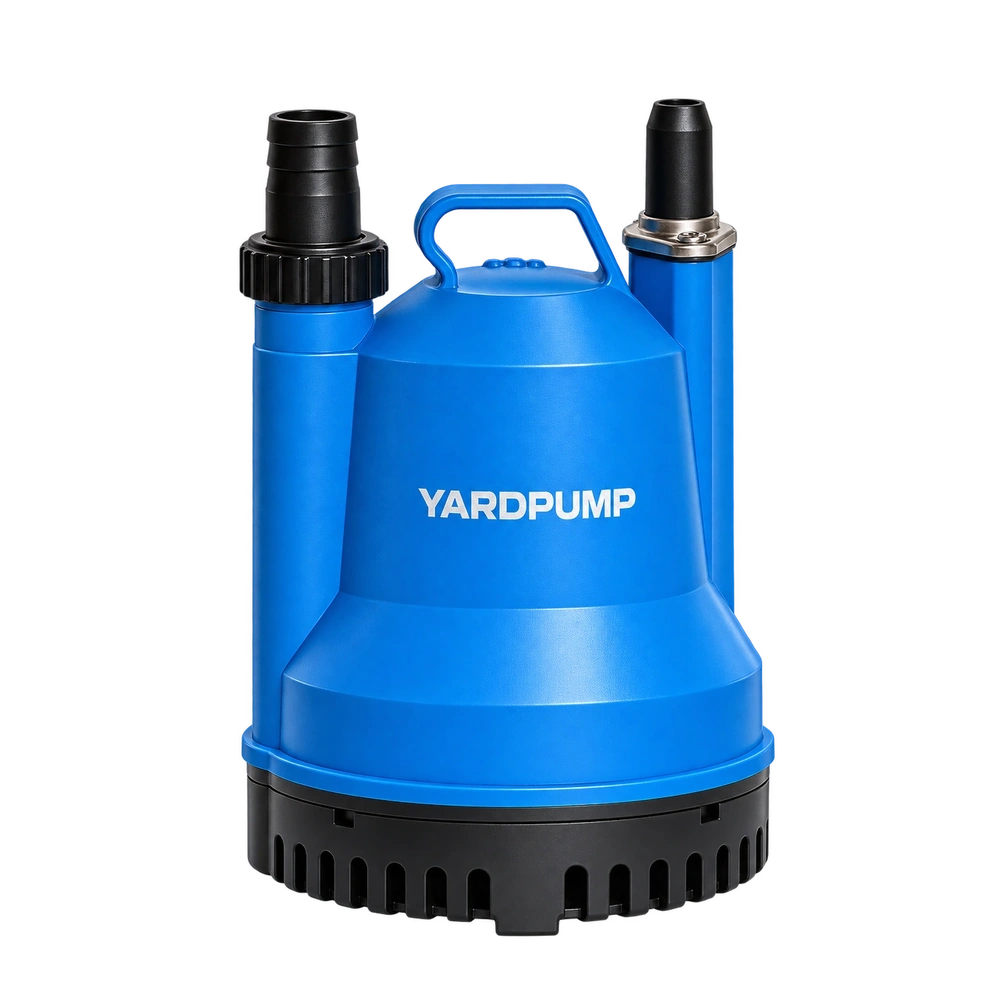
The required anti-airlock vent is present and the pump delivers normally, yet every start wets the sump lid. Trace the jet: water may rebound from the pipe, wall or float toward the cover. Confirm whether that pump requires the vent and check its approved location and direction. Do not plug, enlarge or redrill it simply to stop the visible splash.
Locate the first impact point of the vent jet
An approved vent between pump and check valve may pass water during operation. If the jet meets a wall, float, cable or cover it can atomize and rebound. Deposits can also change the stream direction and landing point. The need, size and position are installation-specific.
Jet landing depends on hole position, direction, upstream pressure and nearby obstructions. Droplets on the lid can appear well away from the origin, so the final wet spot is not enough to locate a leak. Establish whether water leaves the intended vent or a failed joint. A factory air-release feature in the pump housing is also different from a hole specified in installation pipework, with different service and adjustment permissions.
Separate operating observations from isolated inspection
From outside the cover, record the first wet point and jet direction at startup. Qualified personnel isolate power and pressure, open the cover, verify vent and check-valve positions and inspect burrs, deposits or rotated fittings. Restore the approved arrangement and observe a full cycle; never cover the hole by hand while running.
Observe the starting period from a safe location, not only steady operation. Air and water may initially emerge together before a more stable stream develops. Record the first impact point, rebound direction and the time water reaches the lid edge. Without an observation opening, have the installer arrange inspection rather than damage the sealed cover for filming. Isolate power before opening, adjusting or cleaning, address pressure as required, and never obstruct the hole by hand during operation.
Check the specified pipe segment, valve location, rotated fittings, damaged edges and deposits that could deflect the stream. Remove an obstruction only by the instructed method, without using a larger drill to make cleaning easier. Changing hole size can affect air release, recirculation and delivery. Eliminating a wet patch on the cover alone does not establish that such a modification is acceptable.
Example: reconstructing the splash path
Example: the hole faces a wall 60 mm away, creating a wet mark at the same height immediately and droplets at the lid edge after three seconds. Restoring the approved direction removes the mark. The dimensions document cause, not a universal spacing.
After restoring the approved layout, confirm that water returns to the basin without striking the float, cable or other controls. If the permitted arrangement still causes unacceptable splash, ask the supplier or installation designer to assess a compatible deflector. An improvised sheet can detach and reach the inlet or move into the float path as water rises. Verify delivery, switching and cover sealing as well as splash behaviour. A photograph of a dry lid is insufficient handover evidence.
Verify the restored air-release arrangement
For compact sump-pump service, distinguish necessary vent discharge from abnormal leakage in the report. One may need correct direction and clearance; the other may require a connection or component repair. Instructions differ between pump and check-valve combinations, so no universal hole diameter or drilling distance is provided here. Purchasing a package with a clear approved installation drawing reduces the need for improvised changes at the site.
Frequently asked questions
Does any water from the hole mean a fault?
Not necessarily; some approved arrangements discharge during operation.
Is pointing the hole down always correct?
No. Direction belongs to the specific pump, valve, basin and instructions.
Can the jet affect a float?
It can disturb movement or diagnosis and should not interfere with the approved layout.