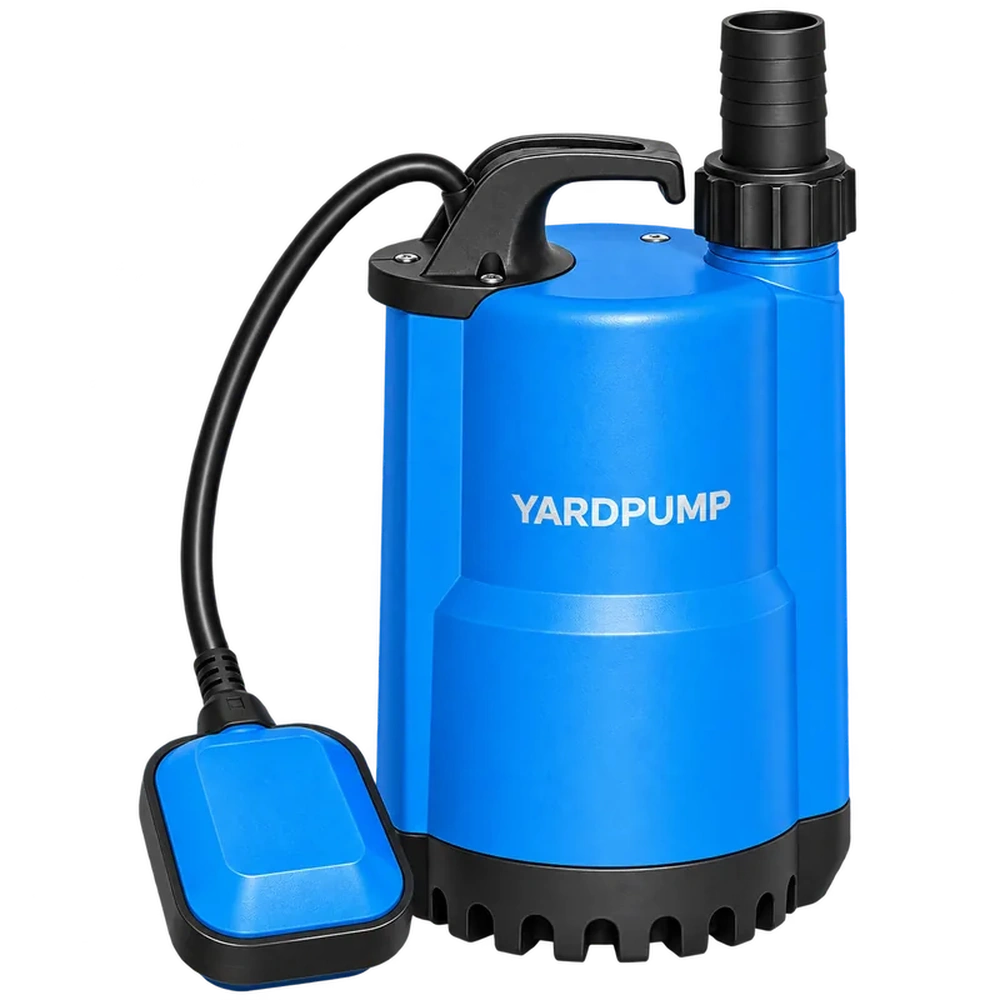
Picture a drainage sump whose water level has fallen while a tethered float still rests on a mat of wet debris. The pump does not stop as expected. Arrange safe shutdown and isolation and protect drainage as required; do not let the pump run out of water to prove the point. A coherent mat of scum can support, stick to or catch the float so its position no longer follows the free liquid surface. Compare how the control behaves after approved cleaning before deciding that the float or relay is faulty.
The float needs enough room to move
Some tethered units operate as their bodies tilt. Other floats slide along a guide. A thick scum mat, stems or congealed grease can lodge below the moving part or hold it against nearby pipework or the wall. The same actual level can then give the switch a different position. Sensors that do not use a float can also be affected by contamination, but they need an assessment suited to how they work. A sheen or light foam by itself is not evidence that the float is physically supported.
From a safe position, compare an unobstructed waterline with the visible position of the actuator. If the water has dropped below its expected stop level and the float still appears to rest on debris or against a wall, record the position of the material. If the float has already returned to its usual stop position while the pump runs, the control mode, switch or wiring deserve investigation. Say when the float was out of view. A cable caught by debris can produce a similar level error but call for different cleaning and routing decisions.
Verify the original arrangement before and after cleaning
Do not reach into a sump or touch energised equipment. Isolate it from a safe point under the site procedure, and have qualified staff relieve any pressure where applicable. Arrange temporary drainage if necessary. Do not jumper the switch, lift an energised float or enter the pit to investigate. Personnel should handle the material and service the unit according to the liquid involved, the site and the instructions. A residential drainage pump should not be assumed suitable for unknown industrial waste, oily effluent or sanitary sewage.
Record the float location, expected stop, hose or pipe layout and tether before cleaning. After approved removal of the obstruction, have qualified personnel check a complete filling and drawdown cycle in the same arrangement and control mode, where permitted. Changing the switch and cleaning the basin at the same time obscures the result. If the float moves freely again and its stop level is repeatable, fouling becomes a stronger explanation. If it still stalls or fails to stop the pump, check mechanical freedom and the control without attempting live repairs.
Keep a waterline separate from the switch position
For illustration, a clean-water check shows a float changing to its stop position as the level falls from eighteen centimetres to around eleven. During a later observation the visible water is below eleven, but the float still rests on a wet mat against the wall. The numbers are not recommended setpoints. They illustrate why the service record needs both a separate waterline and the relative position of the float and debris, rather than just a reading from the control. If removing the mat does not restore motion, further inspection is needed.
A buyer or maintenance team should ask how material enters the sump, whether the float is visible for routine inspection, and whether the pump suits the liquid. A guard or different sensor needs its own validation; a guard can catch fouling or limit motion. For drainage that protects a building, arrange appropriate independent high-water warning and maintenance checks. Adding a heavier float is not a universal solution.
Frequently asked questions
Can a thin oily sheen hold the float up?
A surface sheen alone does not show physical support. Look for material that can support, stick to or catch the part and compare its position with the waterline.
Does it matter if the pump stops straight after cleaning?
Yes. Keep the original water level, debris location and repeat test result. Those details make it possible to recognise a recurring condition.
Can I shorten the tether to miss the debris?
Tether length changes the range and room available for switching. Check what the manufacturer permits and verify the resulting control and cooling conditions.