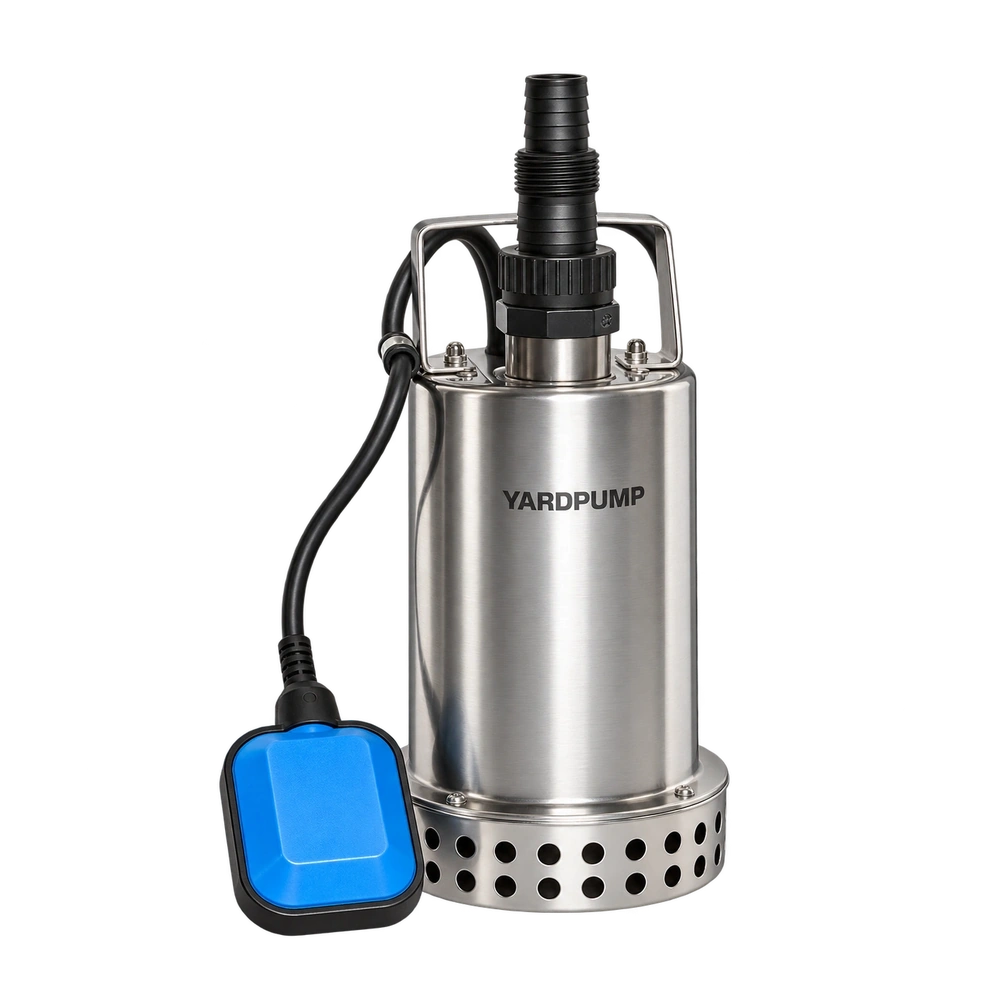
A sump pump runs for a few seconds and starts again less than a minute later. To find out why, watch the water just after the motor stops. A quick jump points toward water returning from the line. A steady climb points toward inflow and the amount of water the switch allows the pit to store.
Read the water level as a timeline
The level switch defines a volume band. In a constant-area pit, that volume is area times level differential, reduced by occupied pipe and pump volume. When the pump stops, water above the check valve may return and immediately refill part of the band.
Log start and stop levels, run time, off time and inflow conditions over multiple cycles. Inspect check-valve behaviour and discharge return. Calculate usable volume from actual pit geometry instead of judging only by pump watts.
Record the level just before start, just after stop, and after any immediate return. Use a safe observing position and compare cycles under similar inflow. A rise that appears when the motor stops and then settles is consistent with return from the discharge or another connected path. A repeated twitch around one water level can also come from a float that catches or sloshes. Video of the level and switch at the same time is useful service evidence.
Estimate how long the pit can refill
For example, a usable 30 L band with 10 L/min steady inflow refills in about three minutes before drainback. If 8 L returns after stop, the next off period is shorter. Real inflow is rarely perfectly steady.
With those example numbers, 22 L of the 30 L band remains after the return. At the same continuing inflow of 10 L/min, that gives about 2.2 minutes before the next start. The running interval has its own calculation. With an illustrative installed pump delivery of 50 L/min and inflow of 10 L/min, the net drawdown is 40 L/min. Removing 30 L takes about 45 seconds if delivery and inflow stay steady.
A higher-capacity pump can make the running interval short. The refill interval still depends on the usable band, return and inflow. In contrast, increasing the switching span may add time between starts, but only if the inlet remains submerged at stop and the normal start, alarm and backup levels have clearance. Check motor duty and maximum permitted starts against the actual installation.
Correct the cause before specifying a new pump
Correct drainback and control interference first, then choose pit volume, switch differential and pump duty together. Verify motor duty and cooling for the observed cycle pattern.
With safe isolation, start with the check valve and the float’s actual travel. Then document the usable basin volume and how much water enters during normal and heavy inflow. Compare the existing pump’s delivery through its actual line. If inflow continues to rise or the pump cannot lower the water during a representative peak, a smaller pump selected for longer run time could lose necessary capacity.
Frequent operation during an exceptional storm is different from unexplained cycling in dry weather. Diagnose the water source before resizing equipment.
Frequently asked questions
What if the pump short cycles with little incoming water?
Watch for water returning from the discharge, pipe leakage back into the pit or a switch changing state without corresponding level movement.
How do I estimate pit volume if the sides taper?
Measure the volume between the switch levels using the basin geometry or an approved measured fill. Account for the volume occupied by equipment in that band.
Is one start a minute always unacceptable?
Compare observed starts and run time with the model’s limits. Repeat under representative inflow. A sustained pattern and a brief storm peak need different assessments.