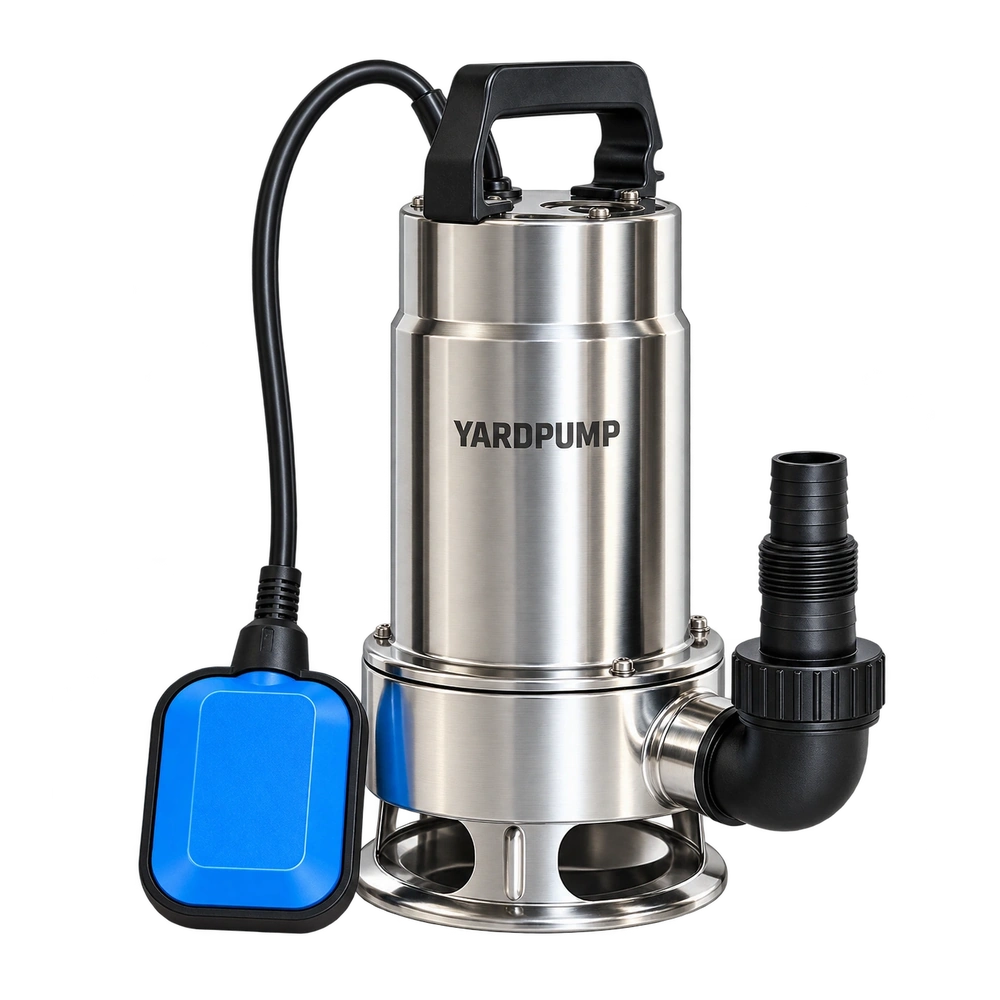
Imagine a pump has two documented intake settings, one for clean water and another for dirty water. A supplier changes the mould for the adjustable base. The sample can be moved into both positions. Is that enough for approval? The selector needs to reach its intended position, lock and stay there under the approved use conditions, including after repeated changes. Check the intake path, operating levels and permitted material in each setting separately. A clean-and-dirty-water description does not establish that every pump uses an adjustable base.
Inspect the position rather than relying on feel
Mark the moving part, stops, lock features, position marks and intake path for both settings on the released drawing. Identify which surfaces really engage. A catch taking load is different from a stop that touches without locking or a part temporarily held by friction. A mark that lines up or an audible click does not prove that all the intended features engage. If the design depends on sound or feel for feedback, define the indication and confirm that the manual matches the physical direction.
Compare the old and new parts with the same matching housing or approved boundary samples. Record mould cavity, part identity, assembly state, material and conditioning. Several dimensions can combine to affect locking, so a single slot width may not explain a change. Define the ordinary cleaning and liquid conditions for the test. Deliberately wedging an object into the mechanism does not represent every field use.
Connect repeated switching to wet operation
First record the position and retention in both settings on a new sample. Have qualified staff perform the approved repeat-switching test. Define the action, medium, temperature, cycles and decision criteria from the product requirement. Do not move the selector while the unit is energised or in operation unless the model specifically allows it and the procedure covers it. After the cycling check, verify locking and the required wet behaviour in each setting. A good low-level result in clean water does not establish the dirty-water passage. Adequate delivery in the dirty-water setting does not prove low-level operation.
For illustration, a project selects fifty changes as one process challenge. A sample reaches both positions initially. Afterward, the dirty-water stop shows marked wear, and the indicator shifts from its starting line after one wet run. Even if a single flow reading changes little, investigate whether the base moved before releasing the change. Fifty cycles illustrate the method; they are not a life requirement for all pumps. Do not turn a limited challenge into a durability claim.
Approve a particular combination
Identify the old and new base, mating housing, locking parts, marking and instructions in the approval record. If a revised base passes only with a new locking part, do not label old stock interchangeable. If the equipment has to be stopped and isolated for a change, reflect that in the delivered instructions. Where there is movement, binding or an ambiguous position, hold the original sample and inspect tolerances, wear and use conditions before deciding which lots may be affected. The release should establish that the pump stays in the setting the user selected.
If the assembly is designed to be removed for cleaning, verify reassembly under the approved user procedure. A user should be able to identify the restored position without assuming that maintenance has changed the pump's solids or liquid limits.
Keep an acceptance view of both positions with the fixture and markings identified. If the engagement differs by mould cavity, use cavity and lot records to determine the scope. A smooth sample from another cavity does not resolve a failed lock.
Frequently asked questions
Does a firmer feel prove better locking?
No. Friction or interference can also feel firm. Verify the stops, engagement and position after use.
If both settings deliver water, can the repeat check be skipped?
That does not substitute for the agreed repeat-operation test. Check that both functions and positions are retained.
Can the base be swapped on any clean-and-dirty-water pump?
Do not assume so. Check the specific approved construction and service instructions.